Aluminum vs. Wood Docks: Which Is Better for Your Ontario Lake?
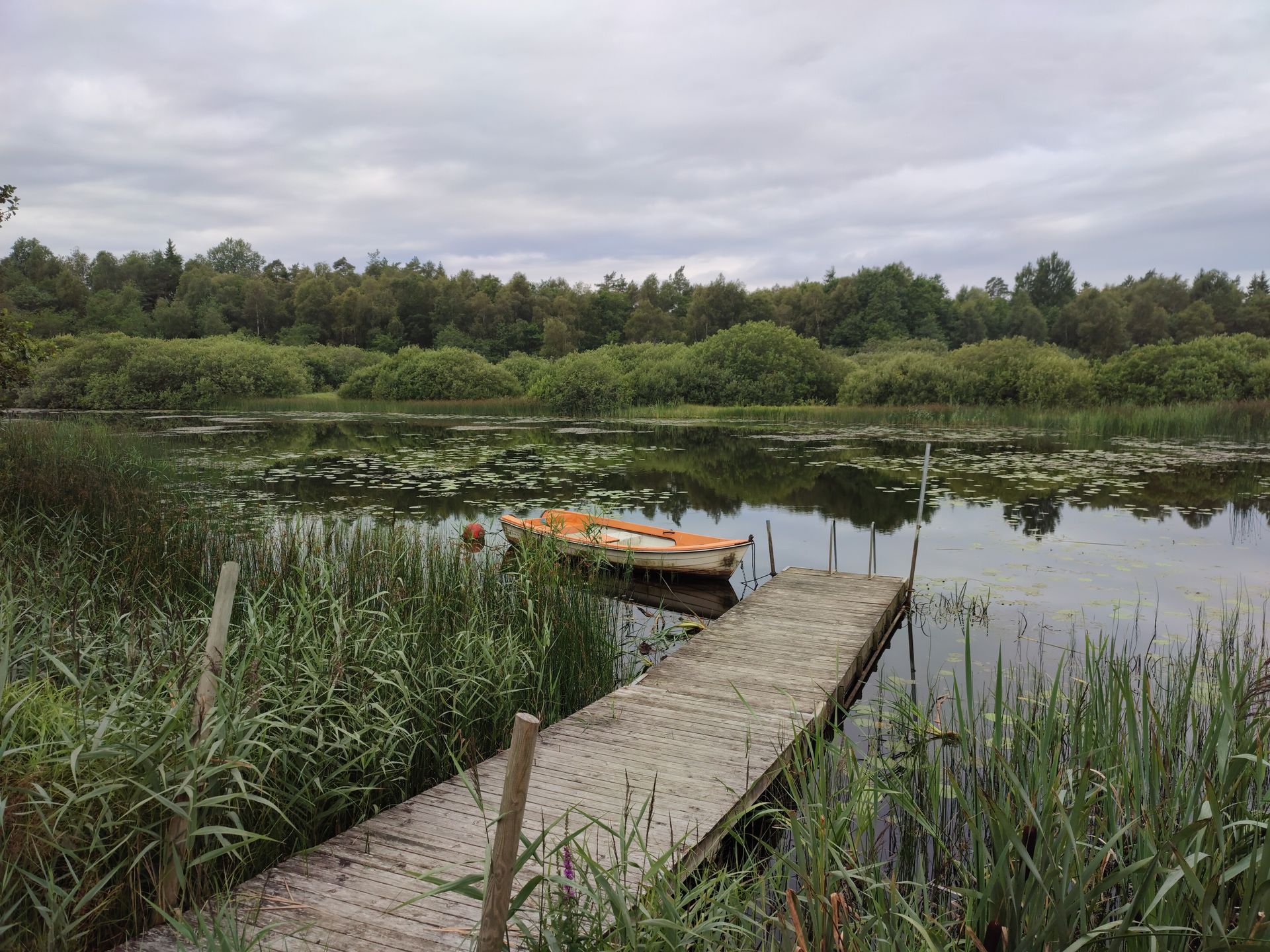
It is one of the first questions we hear at the showroom. You picture the old cedar dock at your grandparents' cottage, then you look at a modern aluminum dock and wonder which one makes sense for you.
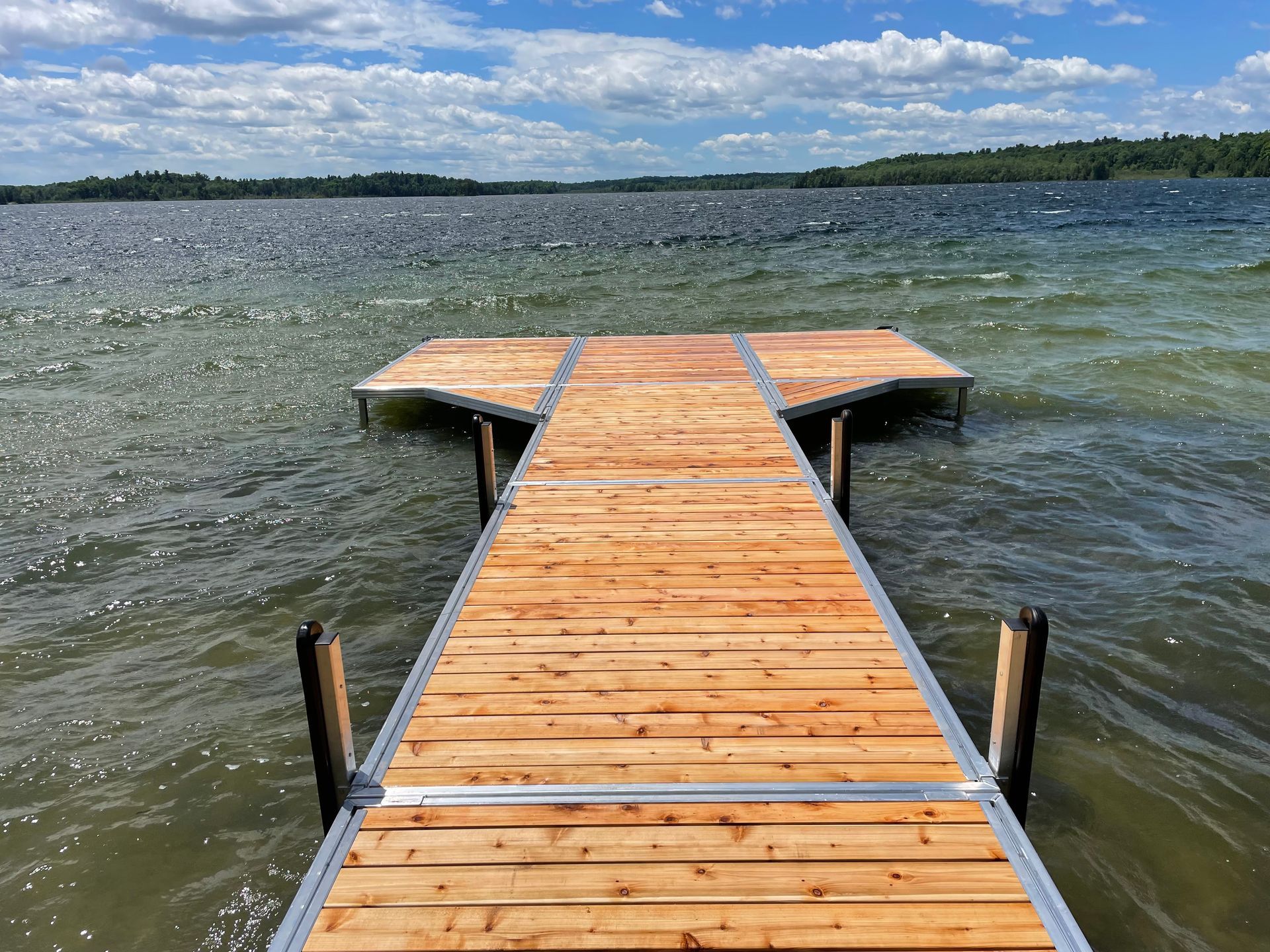
The good news is that you rarely have to give up the look of wood. Our own floating, pole and tower lift docks pair an aluminum frame with cedar or plastic decking on top. The real choice is about what holds the dock up, and that is where the two materials differ most.
Frame and Deck Are Two Different Decisions
Every dock has two parts. The frame is the structure that sits on posts, floats or cribs and carries the load. The decking is the surface you walk on. A traditional wood dock uses wood for both. An aluminum dock uses an aluminum frame, then lets you choose the decking.
Thinking about them separately makes the comparison much clearer.
How the Frames Compare
- Upkeep. A wood frame needs regular checks for rot, loose fasteners and worn boards. An aluminum frame uses marine-grade aluminum with stainless steel fasteners, built to resist corrosion.
- Weight. Wood sections are heavy and often left in the water year-round. Aluminum frames are light, which makes seasonal setup and removal quicker.
- In the water. On the Rideau Canal, treated wood cannot touch the water and creosote is not approved. An aluminum frame keeps treated wood out of the water entirely.
- On the lakebed. Crib docks sit on rock-filled boxes and are permanent structures. Aluminum docks rest on posts, pads or floats that touch only small spots of the bottom.
- Permits. Permanent crib and pile docks need a Cataraqui Conservation permit. Removable aluminum-framed docks on posts generally do not.
- Look. Wood gives you the classic cottage dock. Aluminum gives you a clean frame, topped with cedar or plastic decking.
Why Aluminum Has Become the Standard
It is easier on the lake. Fisheries and Oceans Canada prefers floating, post-supported and cantilever docks because they leave the bottom undisturbed and let water flow along the shore. Its current code of practice for docks calls for untreated materials, like cedar, rock or plastic, for any supports that sit in the water.
It is easier on you. Our pole docks and floating docks use welded marine-grade aluminum frames that are light enough to make setup and takedown quicker. If your dock comes out every fall, that difference shows up every single year.
It holds up. Marine-grade aluminum and stainless steel fasteners resist corrosion, and our standard floating dock frames and floats carry a 10-year warranty.
Where Wood Still Makes Sense
Wood has not disappeared from the waterfront. It has moved up to the deck. Cedar decking gives you the warm look and feel of a traditional cottage dock, and cedar is one of the untreated woods DFO lists as suitable for supports that sit in water.
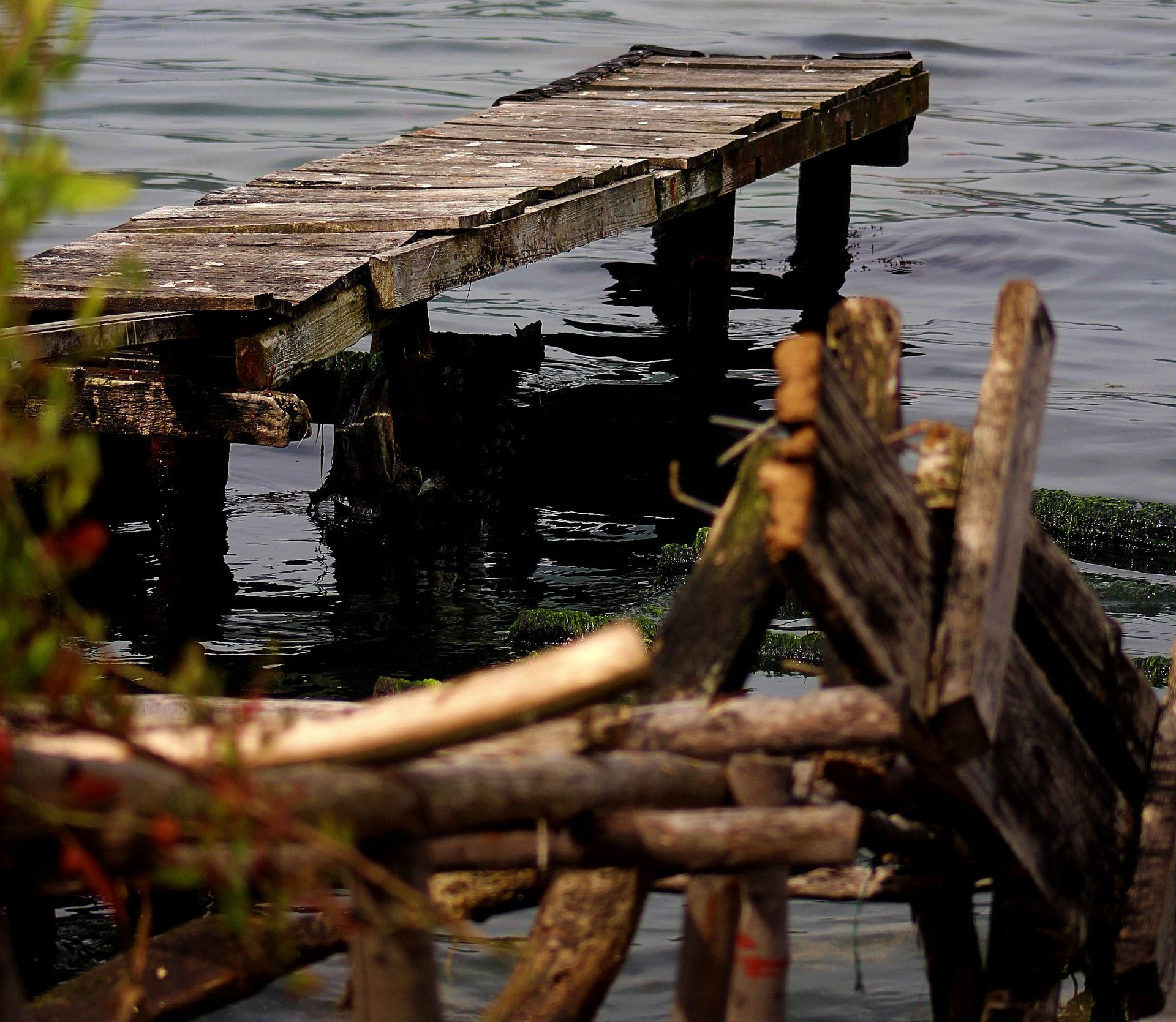
If you already have a wood crib dock in good shape, there may be no reason to tear it out. If it is starting to lean, sink or rot, our post on repair or replace walks through the signs it is time for a new one.
Cedar or Plastic Decking?
Our floating, pole and tower lift docks and our swim rafts all come with a choice of Western Red Cedar or SureStep plastic decking.
- Choose cedar for a natural wood look that weathers in with the shoreline.
- Choose SureStep for a plastic deck that skips the staining and sanding.
On our tower lift docks, the decking panels lift off easily, which is the first step in winching the dock up for winter.
What Our Customers Say
One customer put the case for mixing the two materials better than we could:
“Aluminum and Eastern White cedar structure makes the life time project well worth the money.”
Rick, Superior Systems customer
Look at the Whole Life of the Dock
When you compare quotes, look past the first price. Count the upkeep, the time spent putting the dock in and taking it out each year, and how long you plan to enjoy it. Our guide to questions to ask before comparing dock installation quotes can help.
See Both Materials in Person
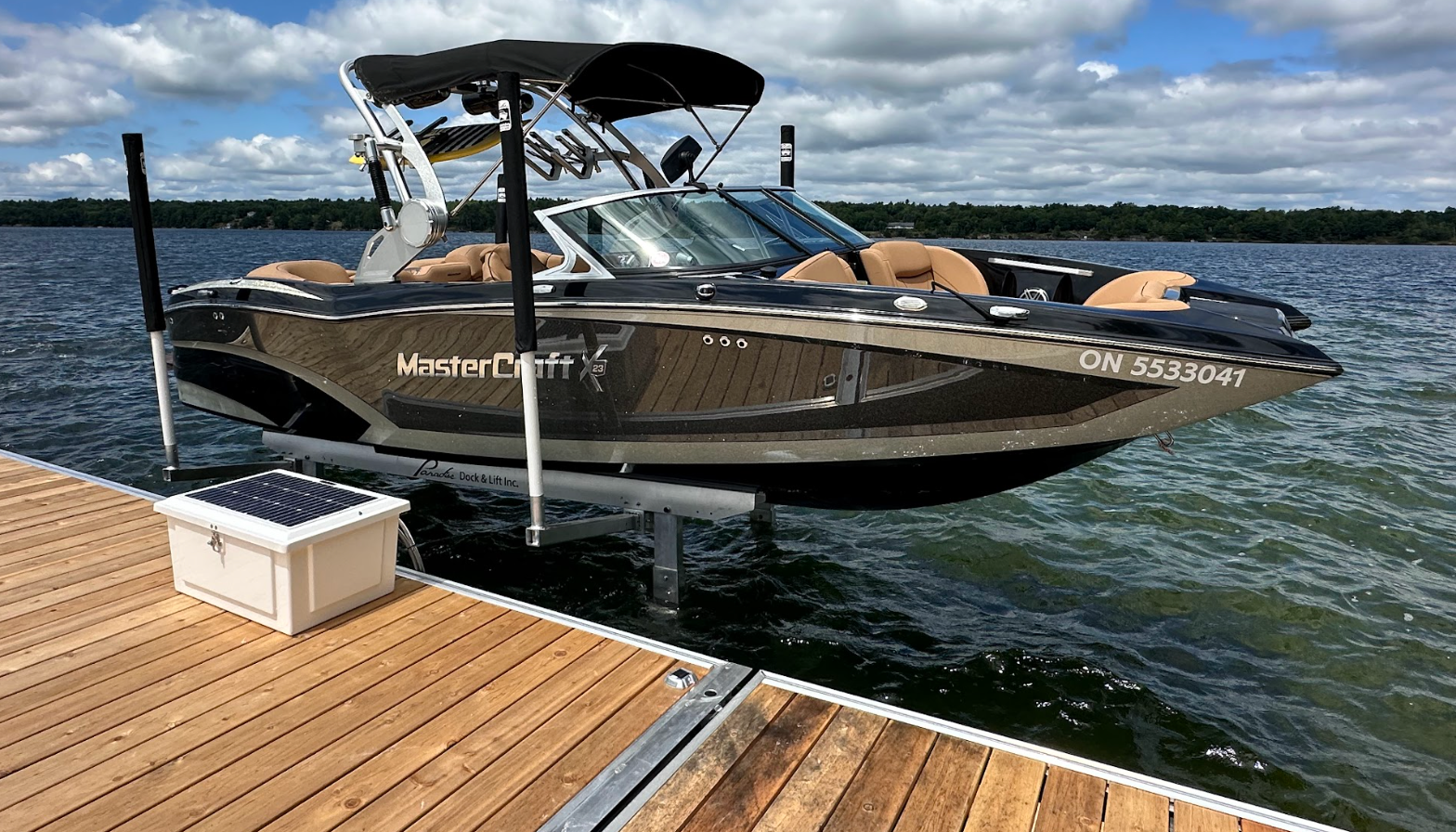
Our tower lift docks are hand-built by our welders in Portland, and the best way to judge aluminum and cedar is to stand on them. Visit the Portland showroom, see how we build for deep, clean lakes like Devil, Buck and Wolfe Lake, or request a quote.