
Buying a Waterfront Property? 8 Things to Check About the Existing Dock
It’s easy to fall in love with a waterfront property before reaching the front door.
The view opens up through the trees, the lake is sparkling, and a dock stretches out from the shoreline. It’s easy to picture summer mornings with a coffee by the water, afternoons spent boating, and evenings watching the sunset.
But before assuming that dock is ready for years of cottage life, it deserves a closer look.
An existing dock can be a valuable part of a waterfront property, but it can also come with aging components, limitations, regulatory considerations, or a design that simply doesn’t suit the way a new owner plans to use the water.
When viewing a waterfront home or cottage in Ontario, these eight things are worth checking.
1. Start with the Overall Condition
Before worrying about dock style or accessories, simply walk the structure and pay attention to how it feels.
Does it feel solid underfoot? Are sections noticeably uneven? Does anything shift more than expected? Are boards, connections, or structural components showing obvious signs of deterioration?
Some wear is normal, particularly on an older dock. What matters is whether the issues appear isolated and repairable or widespread throughout the structure.
Things worth looking for include:
- Loose or deteriorating decking
- Corroded hardware
- Damaged framing
- Uneven sections
- Loose connections
- Cracked or damaged flotation
- Supports that appear to have shifted
A dock that looks great from the cottage may tell a very different story once you walk across it.
2. Find Out What Type of Dock You're Buying
Not every dock interacts with the waterfront in the same way.
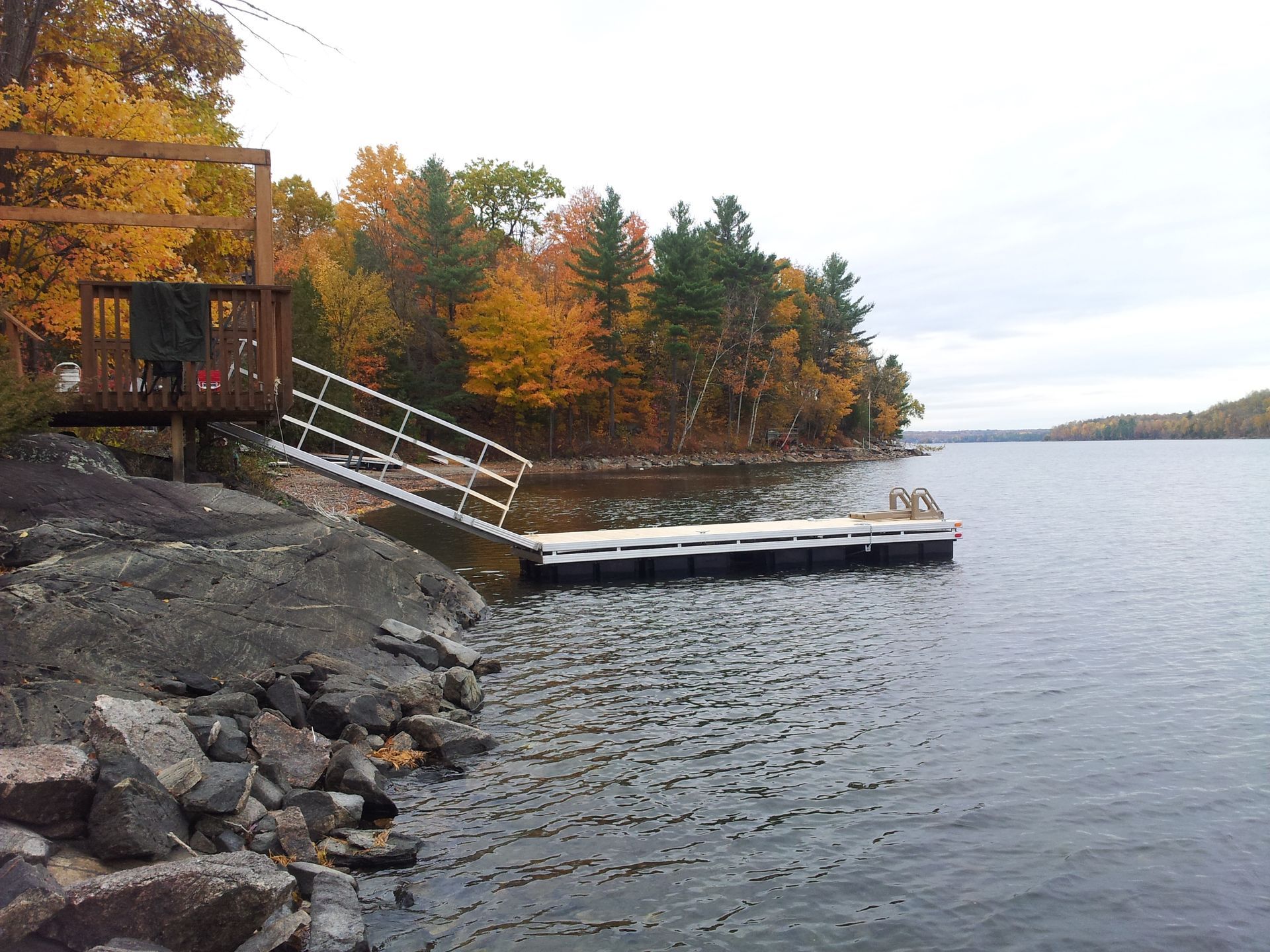
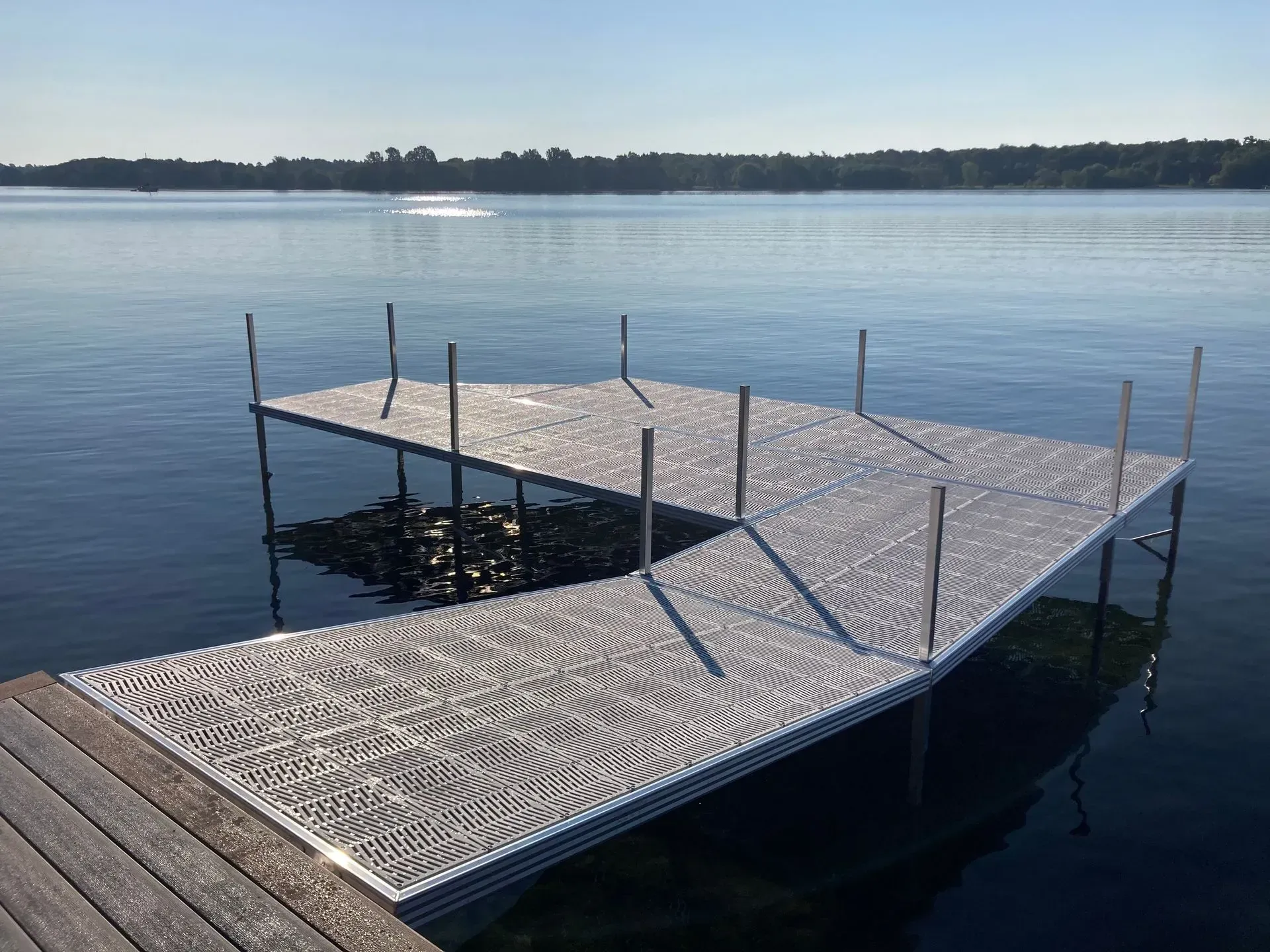
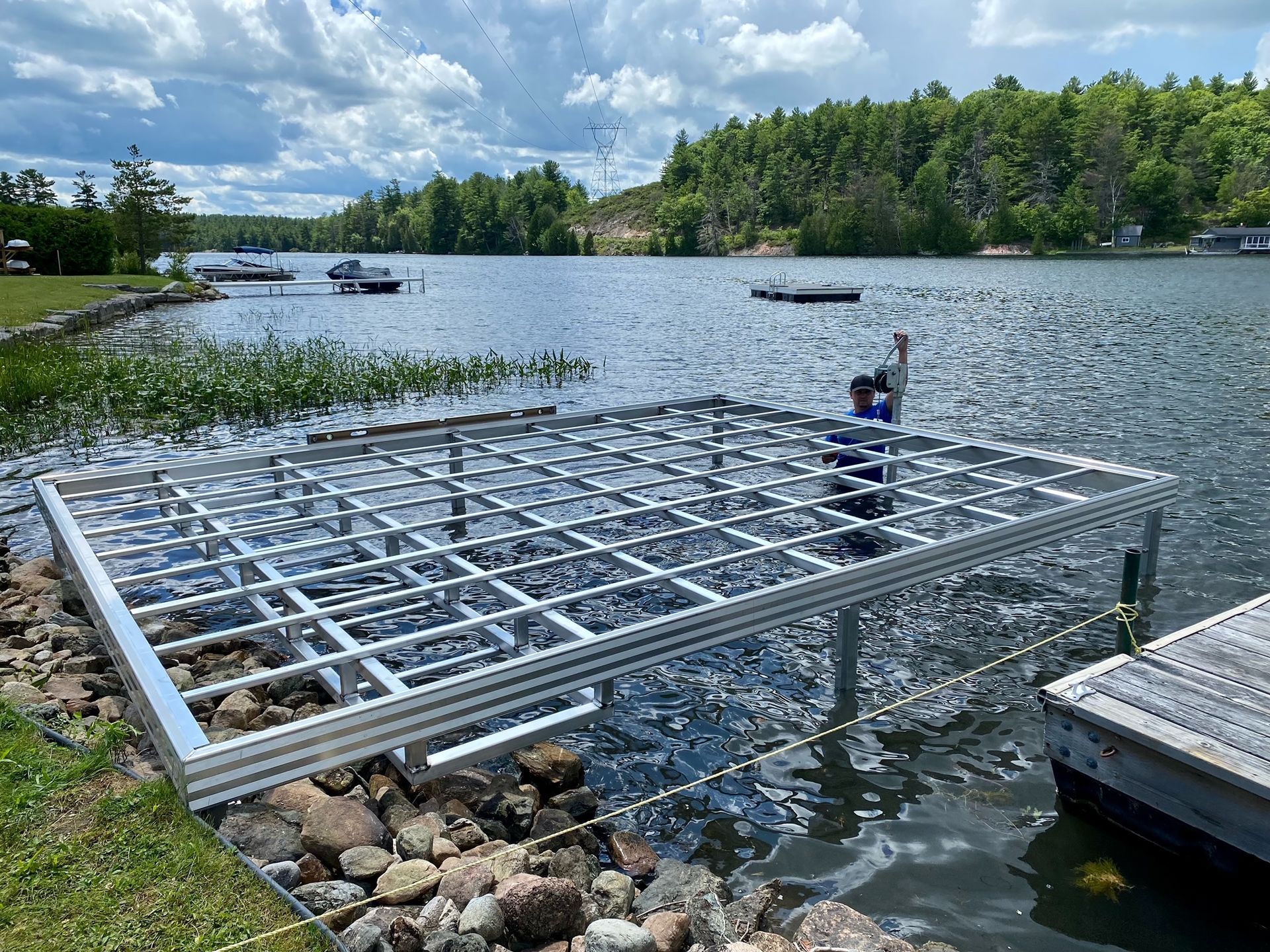
A floating dock rises and falls with changing water levels, while a pole dock is supported differently and is generally better suited to shallower conditions. Understanding what's already installed can give you valuable insight into why that system was originally chosen and, more importantly, whether it still makes sense for the property and how you plan to use it.
If your existing dock isn't the right fit, you can explore Superior Systems' dock systems, including floating and pole dock configurations, based on your water depth and shoreline conditions.
The important question isn't simply, "Is this a good dock?"
It's: Is this the right dock for this particular waterfront—and for how you plan to use it?
3. Look Beyond the Dock at the Shoreline
The structure itself is only half of the equation.
Take a good look at the shoreline and water surrounding the dock. These conditions can have a major impact on how well the existing system works and what your options will be if you want to make changes in the future.
Ontario's Municipal Property Assessment Corporation considers several waterfront-specific characteristics when assessing properties, including shoreline type, topography, water frontage, access, exposure, and secondary structures.
While you're viewing the property, pay attention to:
- Water depth around the dock
- Rocky, sandy, muddy, or marshy conditions
- How quickly the water becomes deep
- Exposure to wind and waves
- Shoreline slope
- Signs of erosion
- Accessibility between the home and waterfront
Think about how those conditions fit your plans. A shallow, gradual shoreline may work perfectly for one type of dock but be less suitable for another. The same applies if you plan to bring a larger boat, add a lift, create a swimming area, or expand the dock later.
4. Make Sure the Dock Works for Your Boat
A beautiful dock isn't particularly useful if it doesn't work with your boat.
Consider the water depth, dock height, available space, and how easily you'll be able to board and exit your boat.
The existing setup may have been designed around a small fishing boat while you're planning to bring a pontoon, wake boat, or larger recreational boat. Don't assume that because the current setup worked for someone else, it will automatically work for you.
If there's already a boat lift, give it the same scrutiny as the dock.
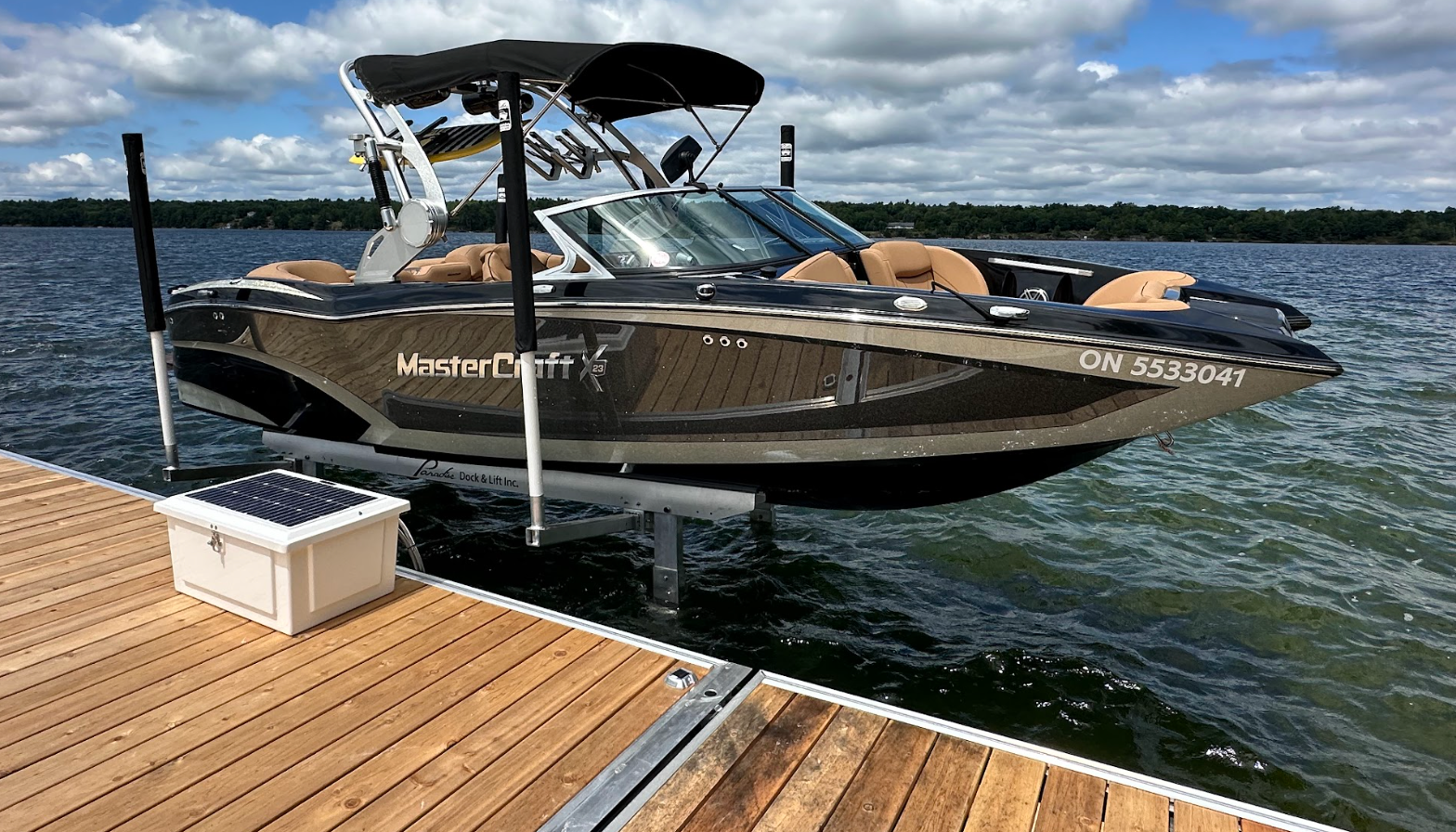
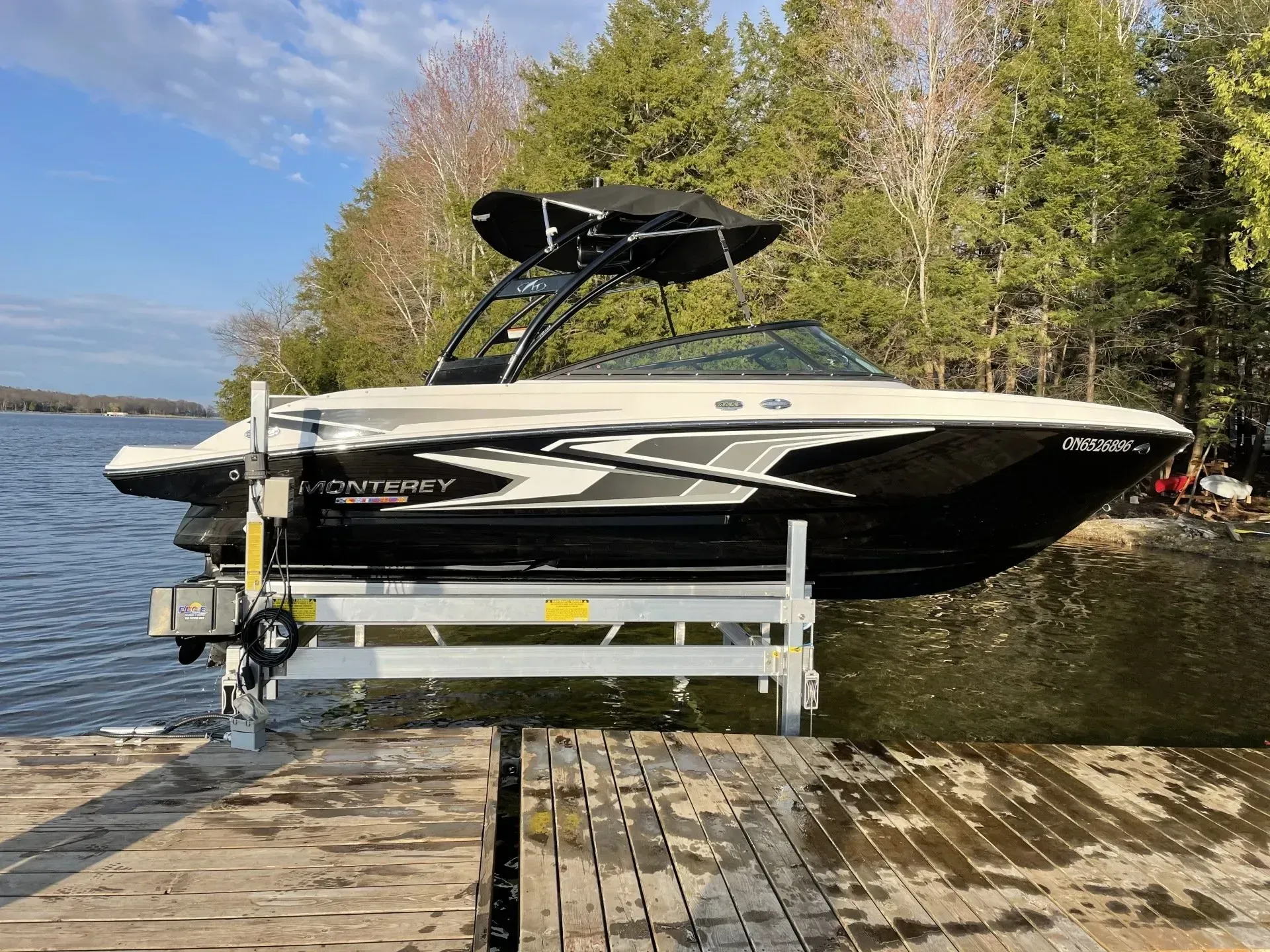
Check its condition and find out its capacity. You'll want to know whether it's appropriately sized for your boat and suitable for the water depth and shoreline conditions.
If the existing lift isn't compatible with your boat, you can explore Superior Systems' boat lifts to find a configuration and capacity better suited to your setup.
5. Ask About Permits and Previous Waterfront Work
This is one of the easiest things to overlook when you're excited about a waterfront property.
Before assuming you'll be able to replace, expand, relocate, or substantially modify the existing dock, find out what rules apply to the property.
Ontario waterfront structures can be subject to provincial requirements as well as municipal zoning and building bylaws. If you're buying along a federally regulated waterway, there may be additional considerations.
The Government of Ontario provides information about circumstances where Crown land and shore land work permits may be required.
Ask what documentation exists for previous waterfront work as well. If significant changes have been made to the shoreline, dock, or boathouse, it's better to understand their history before closing than to discover an issue afterward.
You don't need to turn a cottage viewing into a regulatory investigation. You simply don't want to buy the property with plans for a major waterfront renovation only to discover later that what you envisioned isn't permitted or requires more approvals than expected.
6. Think About What Happens in Winter
A perfect August afternoon doesn't tell you the whole story of an Ontario waterfront.
Ask what happens to the dock once temperatures fall.
Does it stay in the water year-round? Is it removed seasonally? Has the property experienced significant ice movement? What has been done to protect the dock through previous winters?
Look for signs that ice may already have affected the structure, including:
- Bent components
- Damaged flotation
- Shifted supports
- Loose connections
- Uneven sections
- Evidence of recurring repairs
If the dock needs to be removed every year, ask how that's done too. Find out what's involved, where it's stored, and whether special equipment is needed.
That beautiful, effortless summer waterfront may require considerably more seasonal work than the listing photos suggest.
7. Check What You Can- and Can't- Change
Maybe the existing dock is perfectly sound, but it isn't quite what you want.
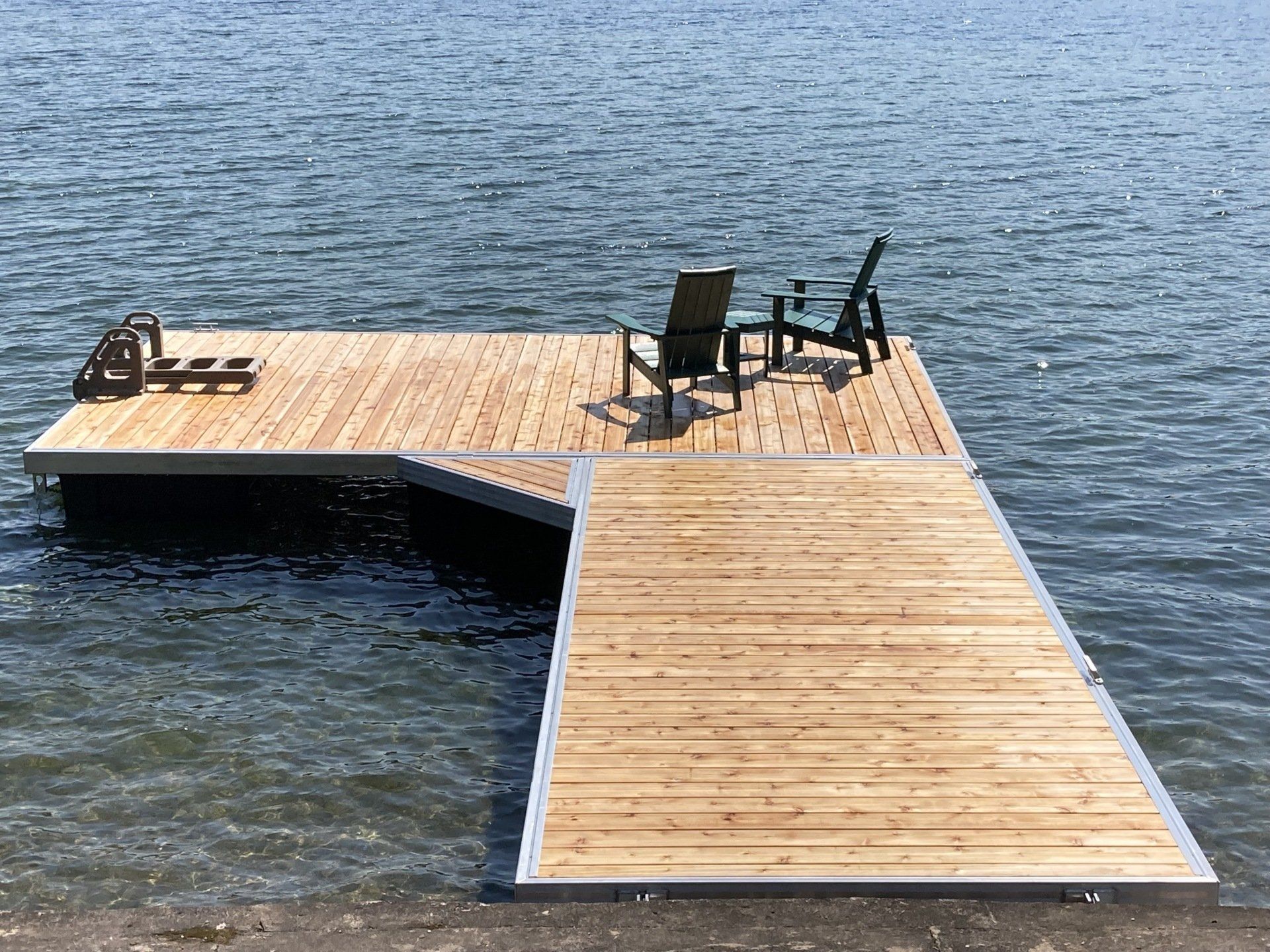
You might want more room for seating. Maybe you're picturing a dedicated swimming area, need somewhere for paddleboards and kayaks, or plan to bring in a larger boat.
Before assuming you can simply add another section, investigate what modifications are possible both structurally and from a regulatory perspective.
The Federation of Ontario Cottagers' Associations (FOCA) provides information about docks and boathouses in Ontario and the different levels of regulation that can affect waterfront structures.
It's also worth thinking beyond your first summer.
Your waterfront needs may change as you add watercraft, entertain more often, or simply discover how you prefer to spend time at the lake. Choosing a system with flexibility can make adapting your waterfront easier.
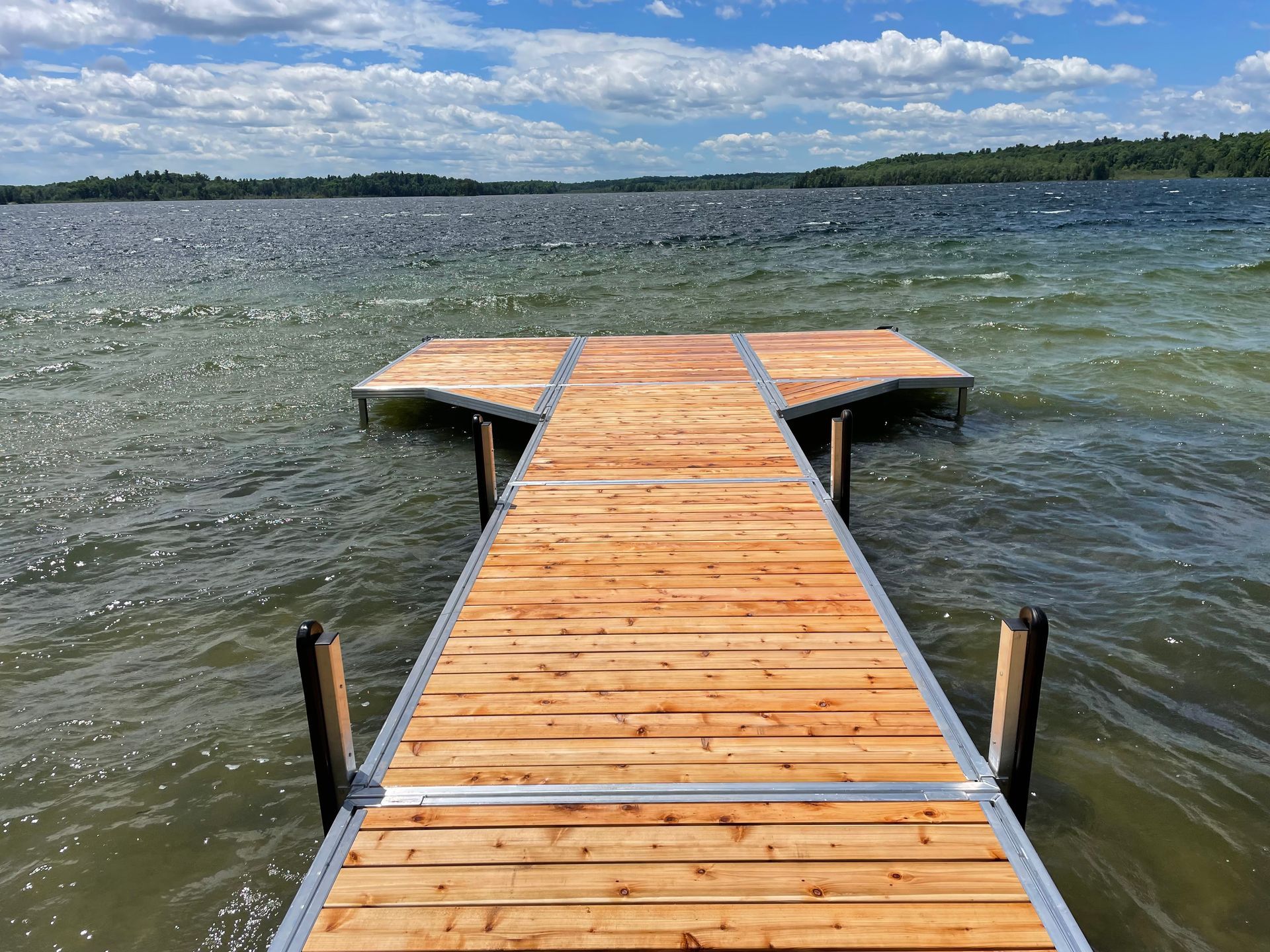
If you'd like more flexibility than the existing setup provides, you can explore Superior Systems' floating docks and the different configurations available for your shoreline and intended use.
8. Picture a Real Weekend There
This may be the most important test of all.
Stop looking at the dock as part of the scenery and picture yourself actually using it.
Where will everyone sit?
Can you get in and out of the water easily?
Where will your boat go?
Can you launch a kayak or paddleboard without everything getting in the way?
Is there enough room when friends visit?
If you're planning for children, older relatives, or anyone with mobility considerations, does the setup work comfortably for them?
Think beyond how the dock looks during a 30-minute property viewing. Imagine arriving Friday evening with bags and gear, launching the boat Saturday morning, spending the afternoon swimming, and tying everything down at the end of the night.
That's when you'll start noticing whether the waterfront actually fits your lifestyle.
Don't Let the View Distract You from the Details
Buying a waterfront property is different from buying almost any other home.
You're not just buying the house. You're also taking on the shoreline, water access, dock, boat lift, and whatever waterfront infrastructure is already there.
Give those features the same attention you'd give other major parts of the property.
That doesn't mean an older dock should automatically scare you away. A well-maintained system may have plenty of life left. Even a dock that needs work may simply become part of your plans for improving the property.
What matters is knowing what you're getting before the first summer begins.
Because once the paperwork is signed and the keys are in your hand, you'll want to spend your weekends enjoying the lake- not discovering everything you missed while admiring the view.