Repair or Replace your Dock? 7 Signs It's Time for a New Dock
For many waterfront property owners, the question isn’t whether a dock will eventually need to be replaced—it’s when.
A well-built dock can provide decades of dependable use, especially when it's properly maintained. But exposure to water, ice, UV rays, changing water levels, and daily use inevitably takes its toll. While routine maintenance can extend a dock's lifespan, there comes a point when continuing to repair it costs more than replacing it.
Knowing the difference can save money, improve safety, and help avoid unexpected failures during the busiest part of the boating season.
Here are seven signs it may be time to replace your dock instead of repairing it.
1. Structural Movement Has Become Noticeable
A dock should feel stable underfoot.
If sections bounce excessively, shift from side to side, lean, or no longer sit level in the water, the issue often goes beyond replacing a few boards. Structural movement can indicate deteriorating framing, weakened connections, damaged flotation, or foundation issues that affect the entire system.
While some movement is normal depending on dock style, increasing instability year after year is worth investigating.
Waterfront conditions also play a role. Fluctuating water levels, spring runoff, and changing lake conditions place ongoing stress on docks throughout Ontario.
Parks Canada's Rideau Canal water level updates provide a good example of how seasonal conditions can change from year to year and influence waterfront infrastructure.
2. Repairs Have Become an Annual Project
Replacing a loose board or tightening hardware from time to time is simply part of owning a dock.
When every spring begins with another lengthy repair list, however, it may be worth stepping back and looking at the bigger picture.
Common recurring repairs include:
- Replacing multiple deck boards
- Tightening loose framing
- Repairing flotation
- Replacing corroded hardware
- Straightening sections that have shifted over winter
Individually, these repairs may seem manageable. Collectively, they can become expensive—and still leave an aging dock with underlying structural issues.
At some point, investing in continual repairs often costs more than investing in a dock designed for the years ahead.
3. Rot, Corrosion, or Deterioration Is Widespread
Every dock material ages differently.
Wood can rot or split after years of moisture exposure. Steel components may corrode. Aluminum structures can experience fatigue if damaged or improperly maintained.
One deteriorating component isn't necessarily a reason to replace an entire dock. But when deterioration appears throughout the structure instead of in isolated areas, repairs become increasingly difficult to justify.
A thorough inspection should look beyond the deck surface and include:
- Framing
- Fasteners
- Brackets
- Flotation
- Support posts
- Connection points
These hidden components often reveal the true condition of the dock.
4. Safety Is Becoming a Concern
A dock should inspire confidence—not hesitation.
Loose boards, unstable sections, uneven surfaces, and weakened ladders increase the risk of slips, trips, and falls. This is especially important for families with children, older adults, or guests unfamiliar with the property.
According to Transport Canada's guidance on maintaining a safe pleasure craft, regular inspections and preventative maintenance play an important role in reducing boating-related risks, beginning before anyone leaves the shoreline.
If safety concerns continue to appear despite ongoing repairs, replacement may be the better long-term solution.
5. Your Waterfront Needs Have Changed
Many people purchase a dock that fits their needs at the time.
Years later, those needs often look very different.
Perhaps the fishing boat has been replaced with a pontoon. Grandchildren now spend weekends at the cottage. Kayaks, paddleboards, and personal watercraft have joined the waterfront.
Instead of asking whether the existing dock can continue to be repaired, it may be worth asking whether it still supports the way the waterfront is actually used.
Upgrading to a more functional dock system can improve accessibility, organization, and enjoyment throughout the boating season.
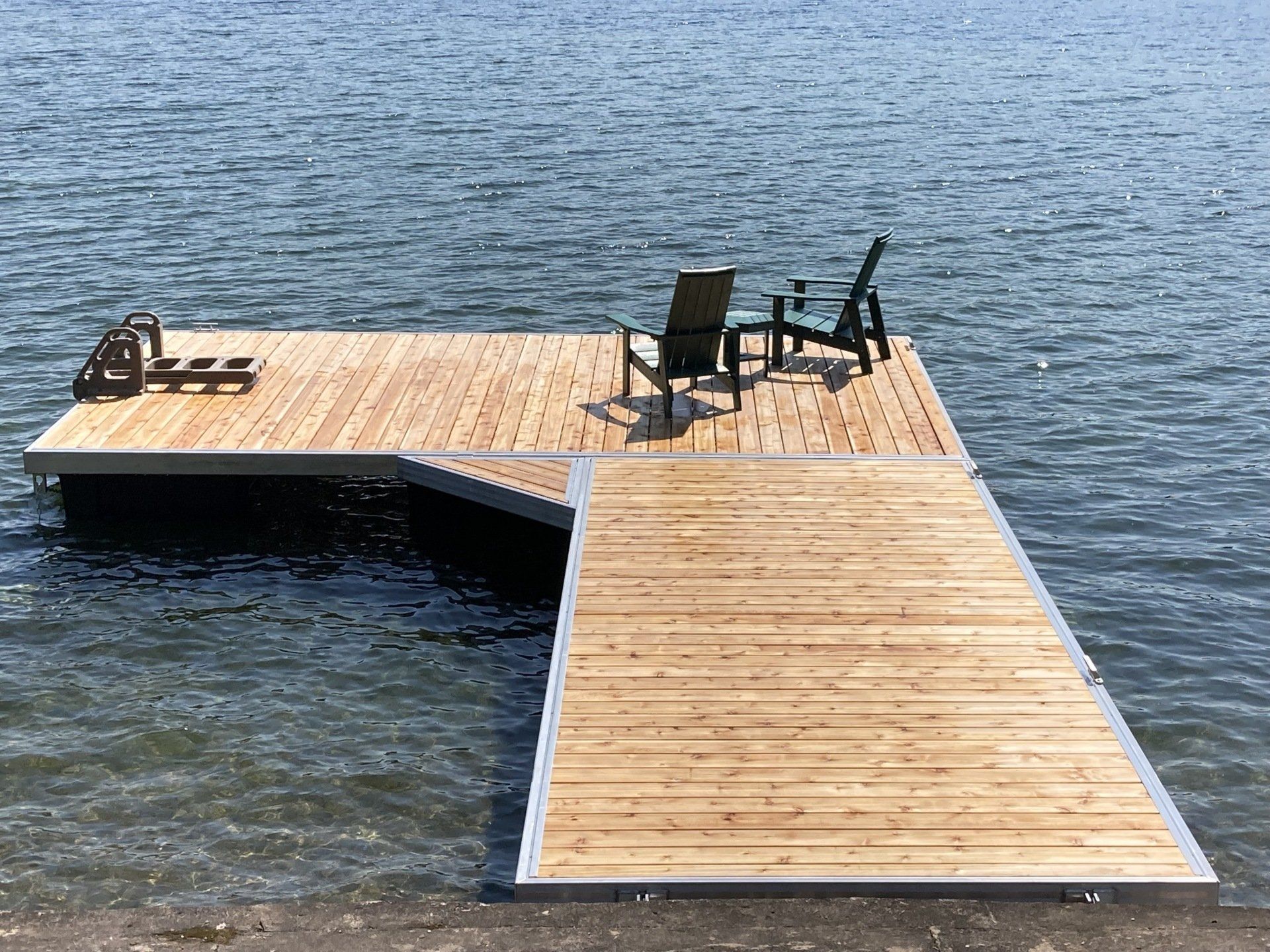
Superior Systems offers a variety of floating dock systems designed to accommodate changing waterfront lifestyles.
6. Seasonal Damage Is Becoming More Severe
Ontario winters are tough on docks.
Ice movement, fluctuating water levels, storms, and freeze-thaw cycles create stress that accumulates year after year.
If every spring reveals new structural issues, bent hardware, damaged flotation, or sections requiring major repairs, the dock may simply be reaching the end of its service life.
Proper seasonal maintenance helps reduce damage, but no dock lasts forever.
The
Safe Boating Guide from Transport Canada also reminds waterfront owners that regular inspection of equipment and infrastructure contributes to safer recreational boating throughout the season.
7. The Cost of Repairs Is Catching Up to Replacement
Perhaps the biggest sign that it's time for a new dock isn't structural.
It's financial.
As docks age, repairs become more frequent, replacement parts become harder to source, and maintenance demands continue to grow.
When repair costs begin approaching a significant percentage of the cost of a new dock, replacement often becomes the better investment.
A modern dock can provide:
Lower maintenance requirements
Improved stability
Better functionality
Enhanced safety
Longer service life
Instead of investing in another temporary repair, many waterfront owners choose to invest in a dock that provides confidence for years to come.
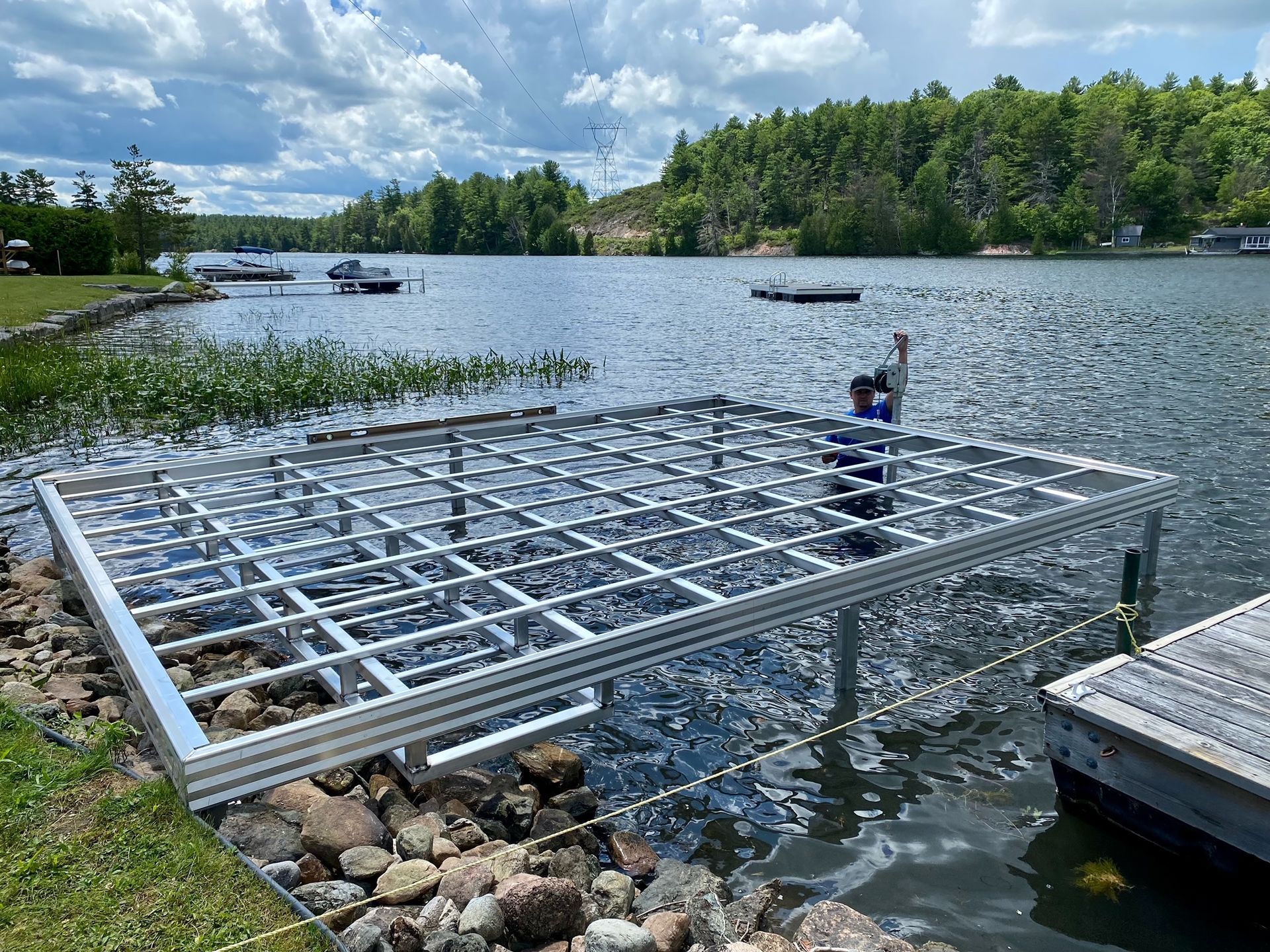
Superior Systems offers a range of dock accessories and dock systems that can be tailored to different waterfront conditions and recreational needs.
Repair or Replace? Start With an Inspection
Not every aging dock needs to be replaced.
In many cases, replacing hardware, resurfacing decking, or addressing isolated repairs can restore years of dependable service.
The key is understanding the overall condition of the structure—not just the most visible problems.
A professional assessment can help determine whether repairs remain the most cost-effective solution or whether replacement will provide better long-term value.
Making that decision proactively helps avoid unexpected failures, improves safety, and ensures more time is spent enjoying the waterfront instead of repairing it.