
When Should You Take Your Boat Out of the Water for the Season?
By late September, boats are starting to disappear from docks across Ontario. Some are already tucked away for winter, while others will stay on the water well into October.
So when should yours come out?
There isn't one date on the calendar when every boat needs to be pulled from the water. Your ideal timing depends on changing weather, water temperature, overnight temperatures, your waterfront conditions, and how much longer you realistically plan to use your boat.
If you're hoping to squeeze a few more days out of boating season, here's what to consider before deciding when it's time to call it for the year.
1. Don't Let the Calendar Make the Decision for You
The arrival of fall doesn't automatically mean boating season is over.
Late September and early fall can offer some of the best days to be on the water. The lakes are quieter, the leaves are changing, and you may still have plenty of beautiful weather ahead.
The Canadian Safe Boating Council encourages you to enjoy the extended season while preparing for the different conditions that come with fall boating. Weather can change quickly, winds and waves can become more challenging, water levels may be lower, and there are often fewer people nearby if you run into trouble.
Instead of choosing an arbitrary haul-out date, pay attention to the conditions around you and what the next few weeks are expected to bring.
2. Watch the Overnight Temperatures
A sunny afternoon can make it feel like summer is hanging on, but your overnight forecast may tell a very different story.
As temperatures begin approaching freezing, you have more to consider than whether you'll be comfortable during your next boat ride. Water left inside certain components can freeze, expand, and cause damage.
You also need enough time between your final outing and freezing weather to properly prepare your boat for storage.
That means waiting until the night before a hard freeze isn't a great strategy.
Once consistently cold nights start appearing in the forecast, decide whether another weekend on the water is really worth delaying your end-of-season maintenance.
3. Pay Attention to the Water Temperature, Not Just the Air
This is one of the biggest differences between summer and fall boating.
A sunny 18°C October afternoon might feel beautiful from the dock. The water underneath you can tell a very different story.
The Canadian Safe Boating Council explains that unexpected immersion in cold water can quickly affect your breathing and physical ability, making colder water an important consideration as you extend your boating season.
If you continue boating later into fall, dress for the water temperature, wear your lifejacket, and adjust your plans for the increased risks that colder water creates.
Eventually, those conditions may become part of your decision to put the boat away, even when the daytime forecast still looks inviting.
4. Be Realistic About How Much You're Still Using Your Boat
September can quickly turn into October while your boat sits untouched at the dock.
If you haven't been out in several weeks and you're keeping it in because you might get one more ride, it may be time to pull it.
Ask yourself:
- Do you already have another outing planned?
- Does the upcoming forecast look suitable?
- Do you have time to prepare the boat afterward?
- Are you comfortable boating in colder conditions?
- Are you genuinely extending your season, or simply putting off haul-out day?
There's nothing wrong with making the most of fall boating. Just make sure you're actually getting something out of the extra time.
5. Leave Yourself Enough Time for Winter Preparation
Taking your boat out of the water isn't the final step.
Depending on your boat, you may still need to clean and drain components, prepare the engine and fuel system, care for batteries, and get everything ready for storage.
CanBoat's winter boat storage checklist covers several important end-of-season tasks and is a useful reference when planning what needs to happen after your final trip.
Think backwards from the weather.
If colder conditions are approaching, give yourself enough time to haul the boat out and prepare it properly without rushing through the process.
6. Check Water Levels and Waterfront Access
Your waterfront may look different in late September than it did in June.
Lower water levels can affect shallow areas that were easily navigable earlier in the season. Fall conditions can also introduce new debris and other hazards that weren't as noticeable during summer.
Take a look at your own setup.
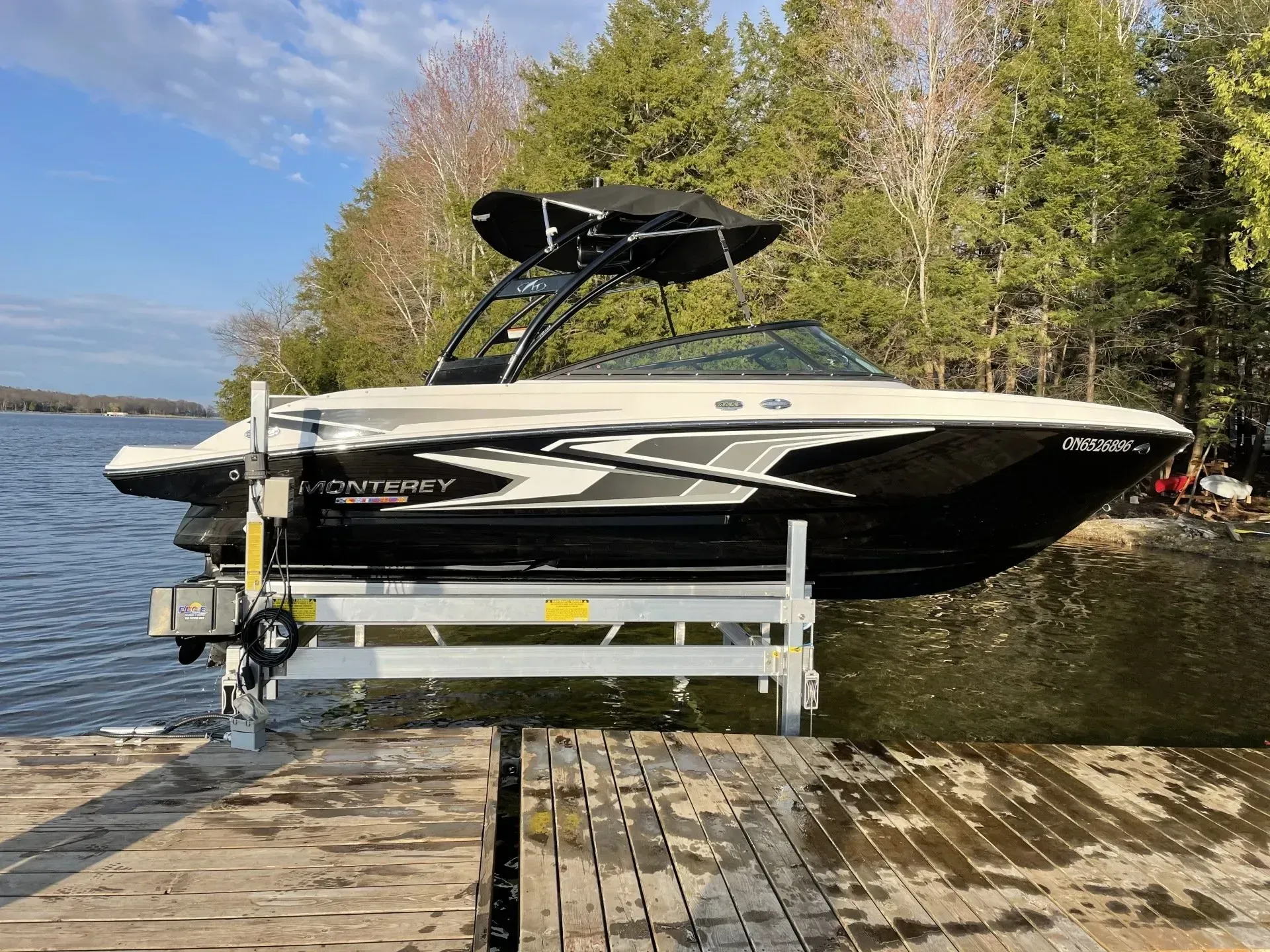
Can you still comfortably get the boat onto your lift?
Is your launch access becoming shallower?
Could removing the boat become more difficult if water levels continue to drop?
Waiting another few weeks may be completely reasonable for your waterfront. At another property, changing conditions may make an earlier haul-out the easier choice.
7. Coordinate Your Boat, Lift and Dock
Your boat isn't the only part of the waterfront that needs an end-of-season plan.
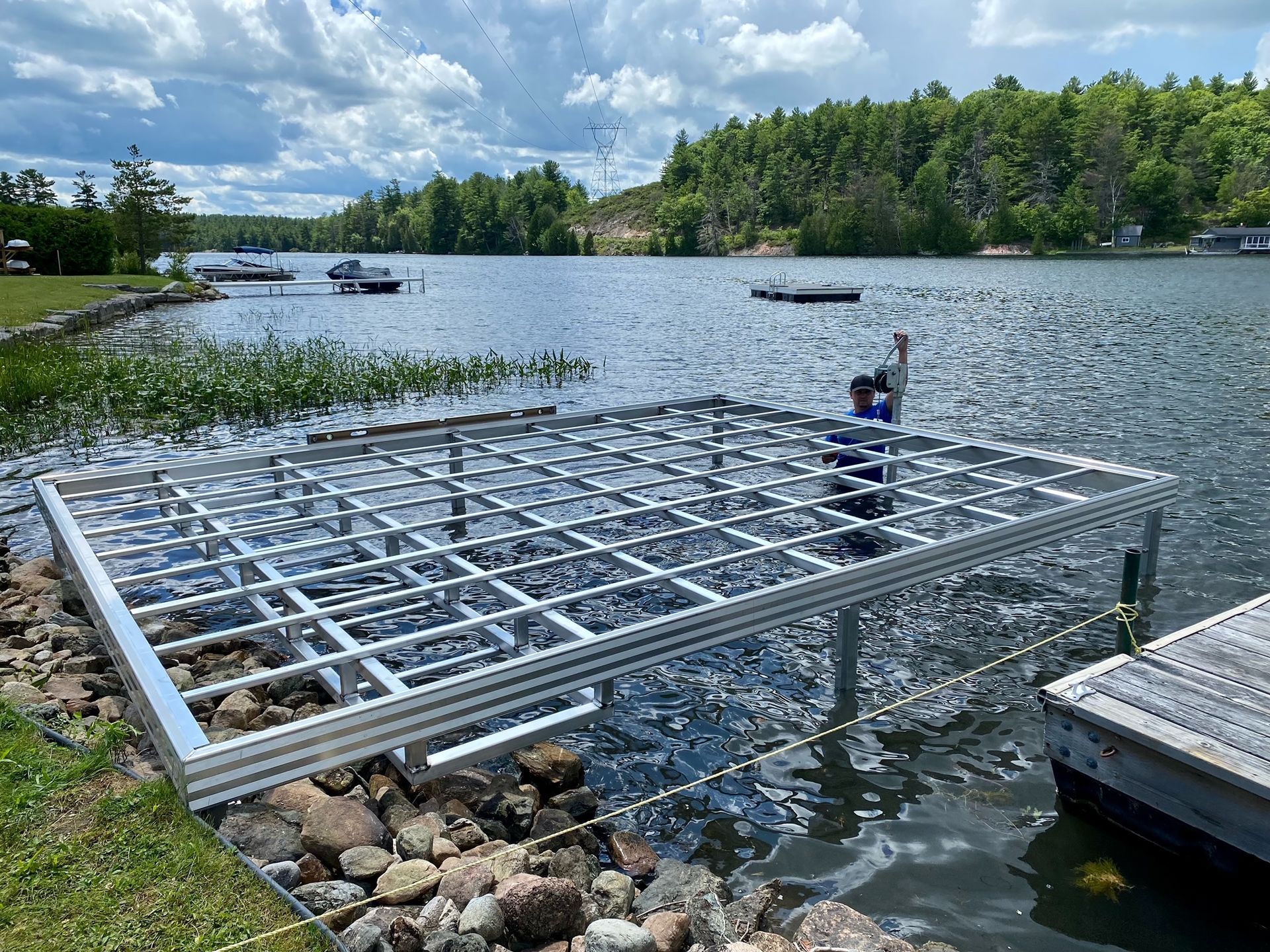
If you use a boat lift, consider when it needs to be prepared for winter and whether your boat needs to come off before other waterfront work begins.
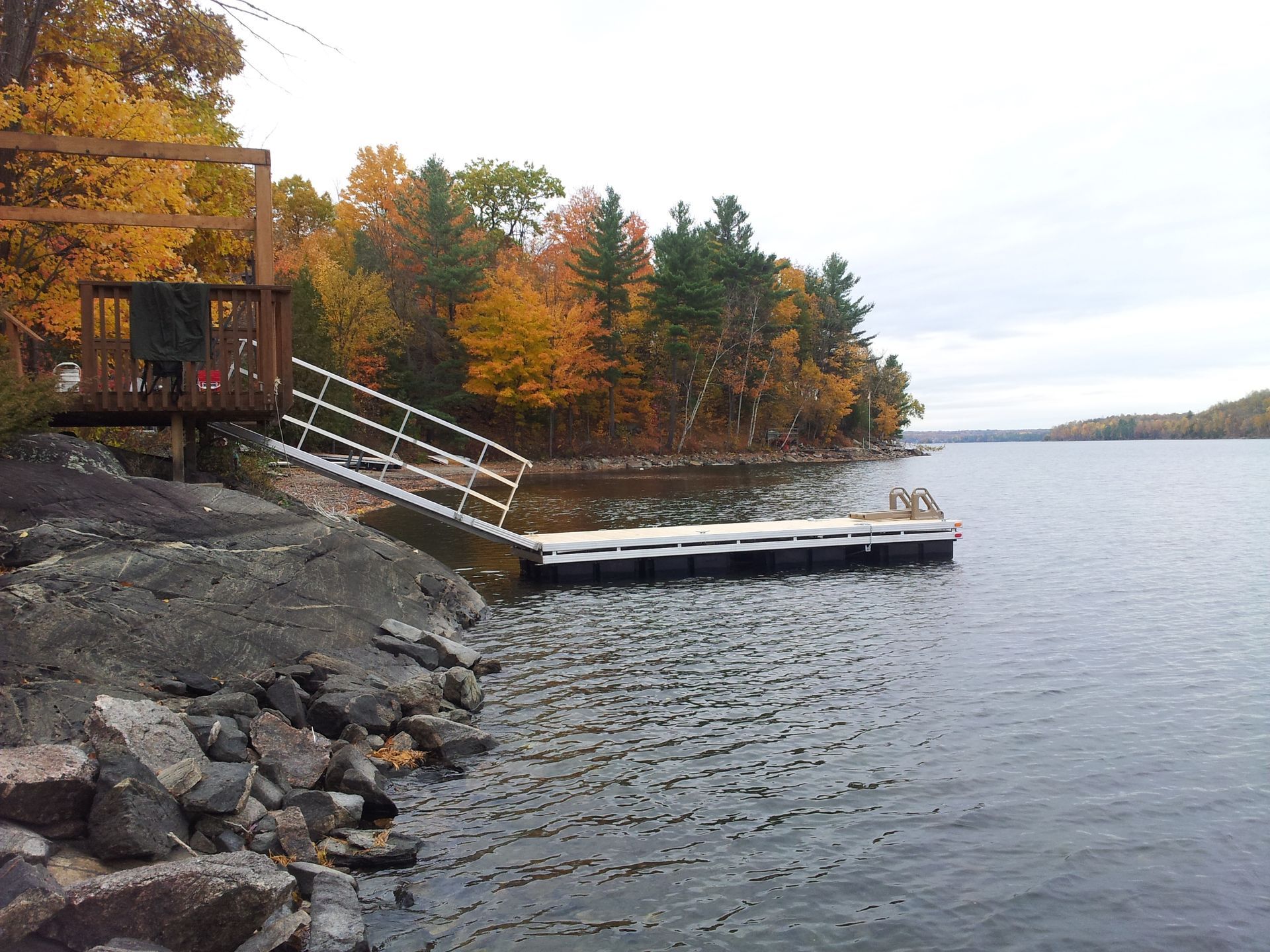
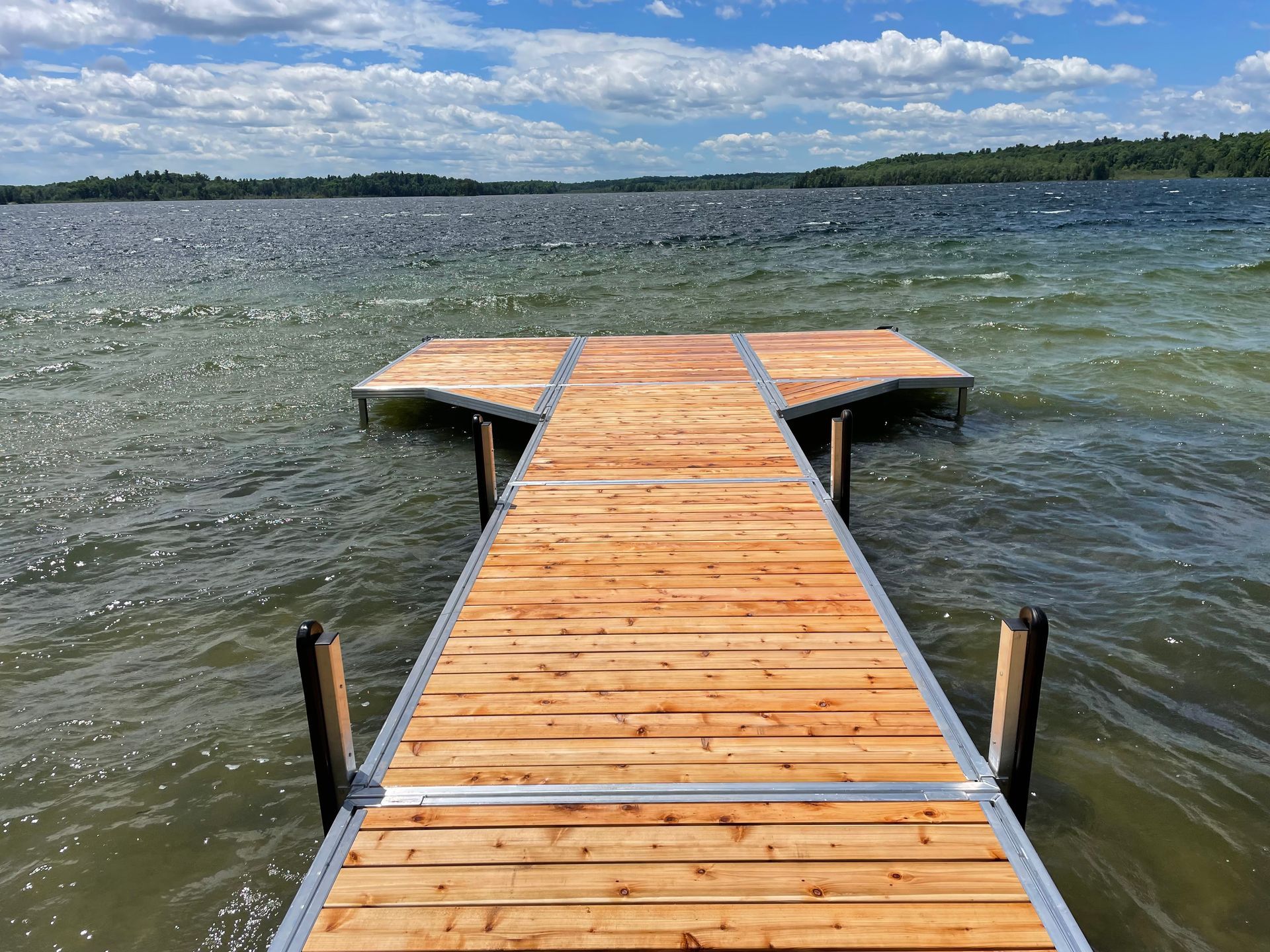
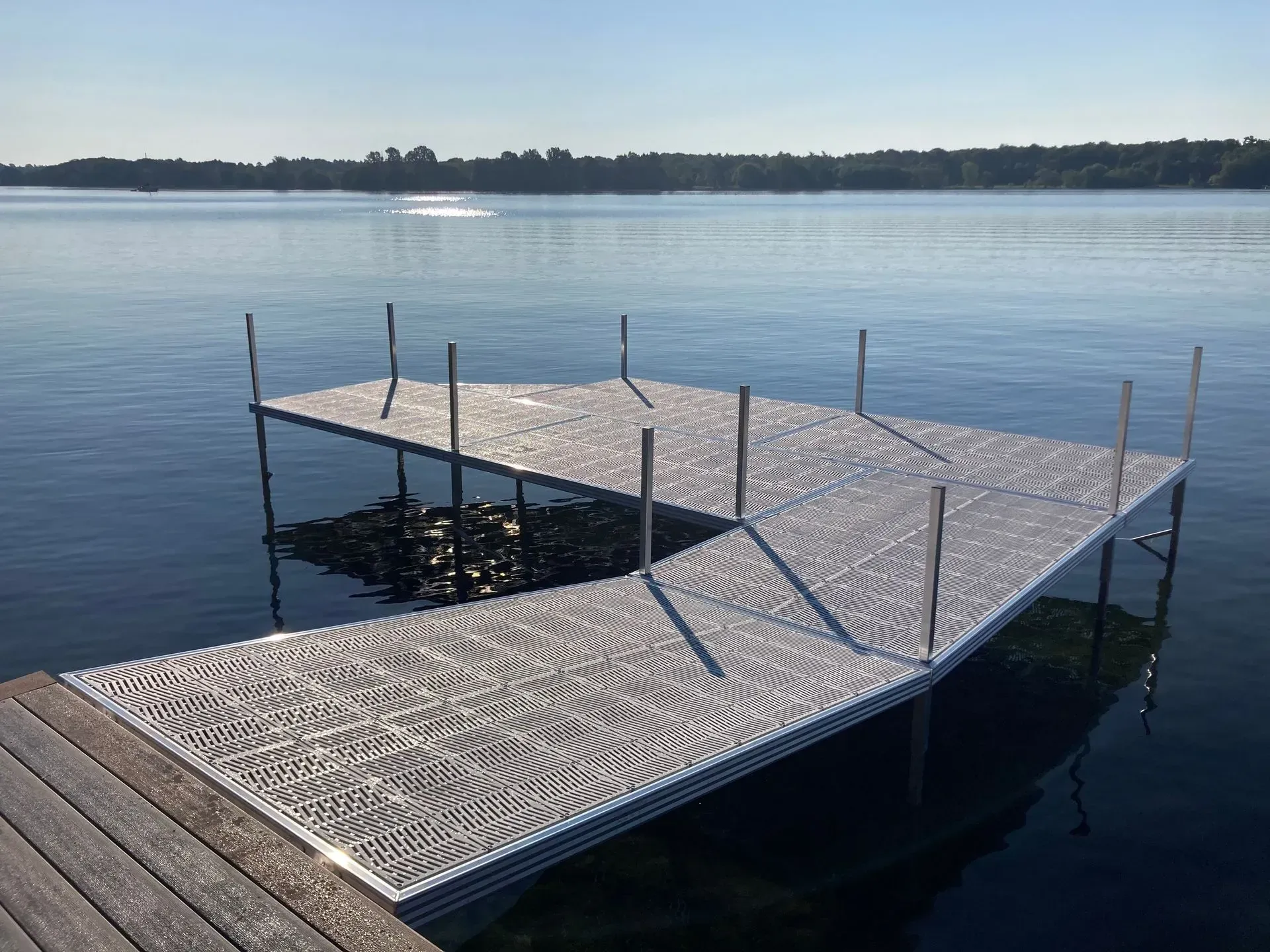
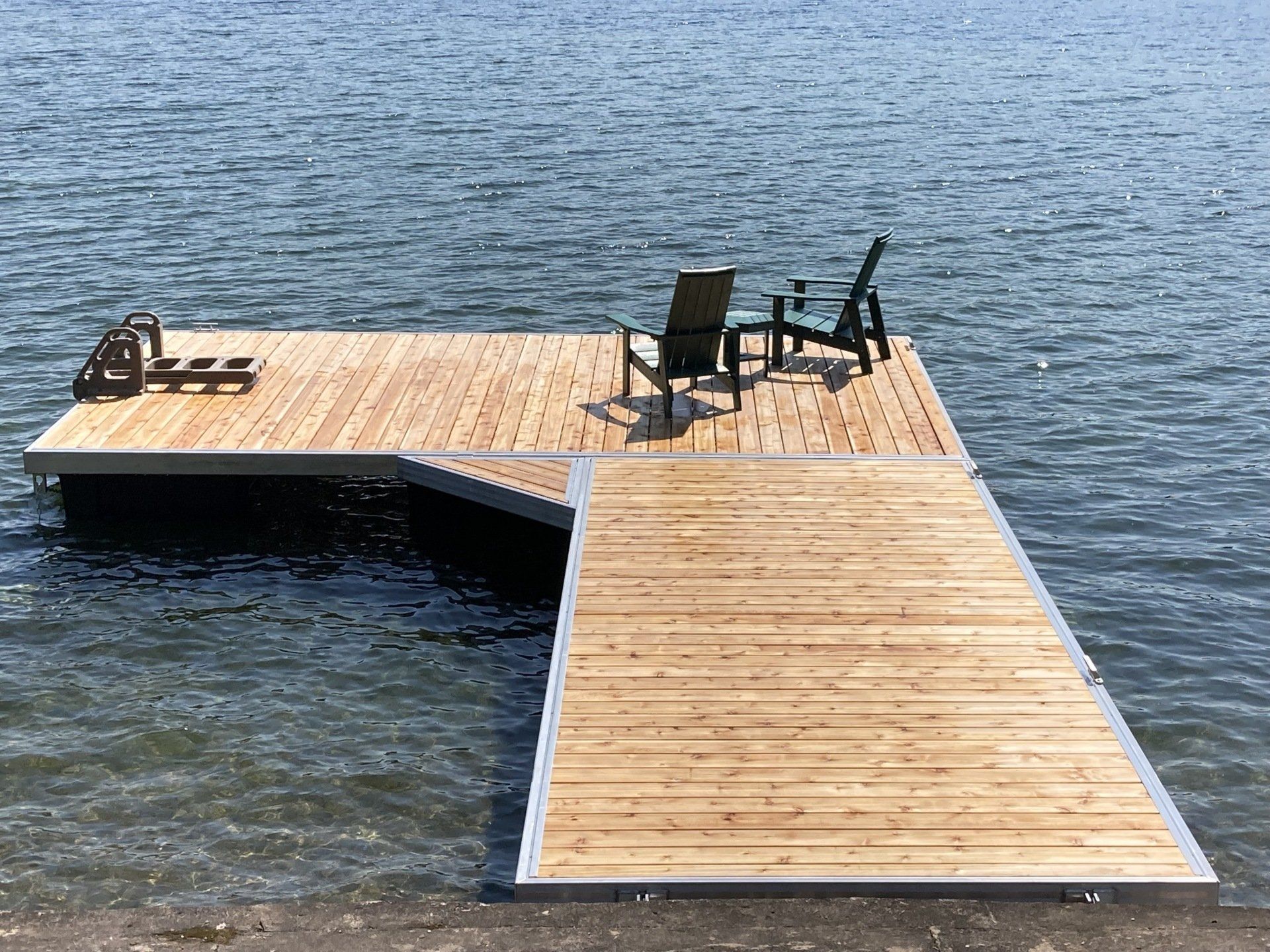
Think about your dock at the same time. If sections need to be removed, inspected, adjusted, or otherwise prepared for winter, coordinating those jobs can make closing your waterfront much easier.
If you're reconsidering how your current setup performs through changing seasonal conditions, you can explore different dock systems and determine what may be better suited to your waterfront.
Planning everything together helps you avoid reaching late fall with a boat still in the water and a long waterfront to-do list waiting for you.
8. Know When One More Weekend Isn't Worth It
There's always the temptation to squeeze in one last ride.
Sometimes you absolutely should.
A calm late-September afternoon with good weather and safe conditions can be one of the nicest boating days of the year.
But eventually, the equation changes.
If you're watching freezing overnight temperatures, dealing with increasingly unpredictable weather, navigating lower water levels, and boating in very cold water, that final outing may no longer be worth postponing everything that needs to happen afterward.
You don't have to wait until the weather forces you off the water.
Enjoy Fall Boating, But Have a Plan
There's no universal date when you should take your boat out of the water in Ontario.
Some boats will already be stored by late September. Others will continue heading out well into October.
For you, the right time comes down to the weather, water temperature, your boat, your waterfront, and how much longer you genuinely intend to use it.
Keep enjoying those beautiful fall days when conditions allow. Just leave yourself enough time to properly prepare your boat and waterfront before winter arrives.
And if this season has shown you a few things you'd like to improve for next year, you can explore dock accessories that can make your waterfront more functional when spring rolls around again.