
Questions to Ask Before Comparing Dock Installation Quotes
Comparing dock installation quotes can feel straightforward at first. One company gives a number, another company gives a different number, and the instinct is to compare the totals side by side.
For waterfront properties in Rideau Lakes, that approach can be misleading.
A dock quote is not only a price for materials. It reflects site conditions, access, water depth, exposure, installation logistics, product selection, anchoring requirements, lift planning, timing, and the level of detail included in the scope. Two quotes can look like they are for the same project while covering very different realities.
Before choosing a dock installer, the better question is not always “which quote is cheaper?” It is “which quote understands the property?”
What Site Conditions Are Included in the Quote?
A strong dock quote should be based on more than the desired size of the dock. The shoreline itself should shape the recommendation.
Water depth, lakebed conditions, slope, exposure, vegetation, access from land, and existing structures all affect how a dock can be installed and how it will perform over time. A quote that does not account for those details may look simple, but it may also leave important decisions unresolved.
On Big Rideau Lake, two nearby properties can have very different installation needs. One may have protected water, gradual depth, and easy equipment access. Another may involve deeper water, more open exposure, limited shoreline access, or a location where dock orientation needs closer review. These differences can change the labour, materials, anchoring approach, and installation timeline.
That is why
dock placement mistakes on Big Rideau Lake
often become expensive when they are not considered before installation.
Is the Quote Based on the Way the Dock Will Actually Be Used?
A dock can be quoted as a structure, but it will be used as part of the property.
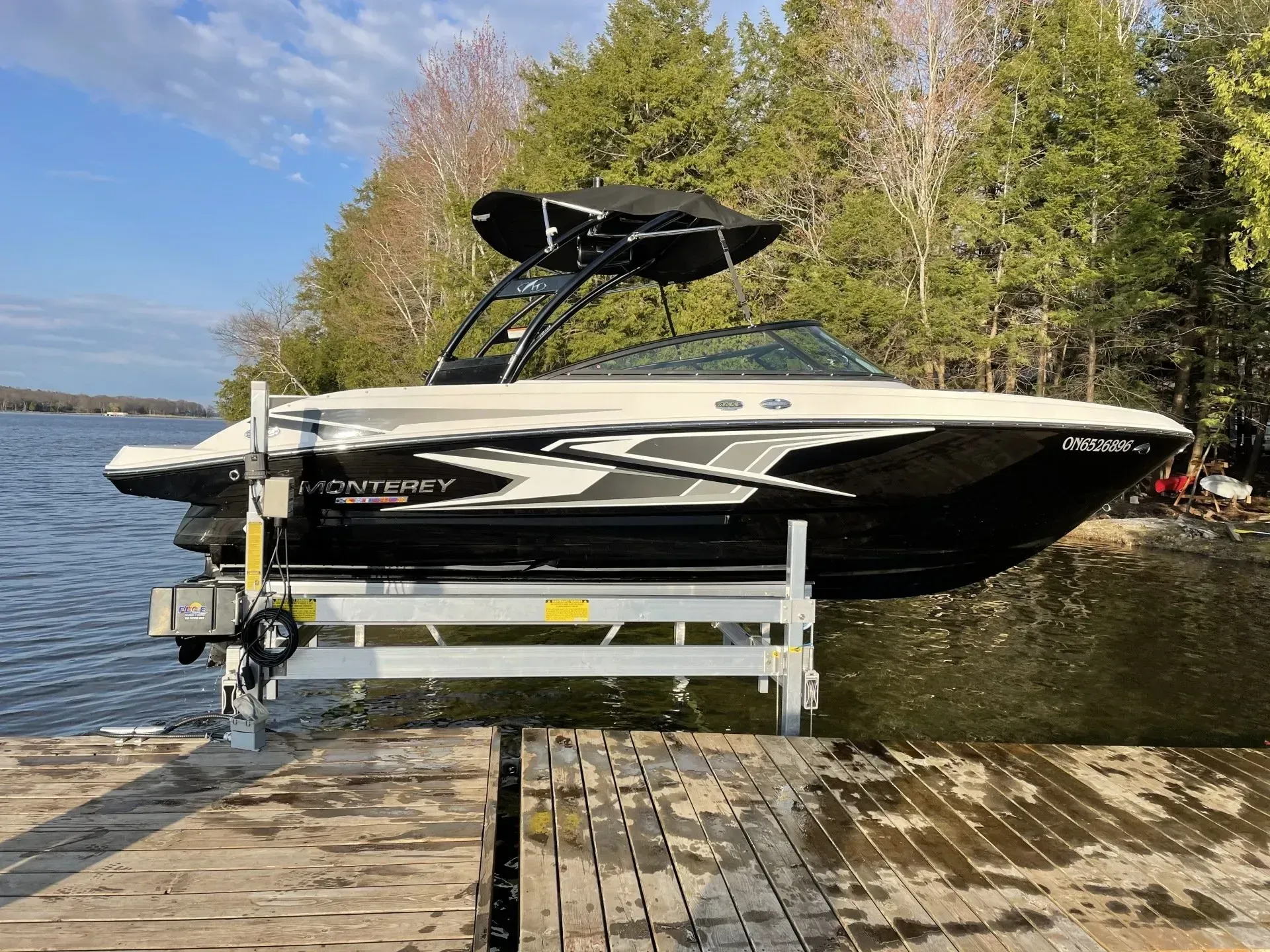
Before comparing numbers, it is worth confirming whether the quote accounts for how the waterfront will function day to day. A dock used mainly for swimming has different priorities than one built around a boat lift, PWC ports, family gatherings, or frequent guest traffic.
Important questions include:
Will the dock support the boat size and boarding needs?
Is there space for swimming access without interfering with docking?
Will the system support future lift or PWC additions?
Does the layout keep movement clear during busy weekends?
Is the dock being planned for current use only, or future changes as well?
The quote should reflect the intended use, not only the dimensions. A smaller dock that is planned well may function better than a larger system that does not account for how people, boats, and equipment move around the waterfront.
What Materials and System Details Are Actually Included?
Not every dock quote includes the same level of material detail.
A quote should make it clear what type of dock system is being recommended, what decking material is included, what framing is used, what hardware or connection components are part of the installation, and what is excluded. This matters because dock systems can differ significantly in durability, adjustability, maintenance needs, and long term performance.
A vague quote can make comparison difficult. If one company specifies the system, materials, anchoring, and installation details, while another only provides a general size and price, the lower number may not represent the same level of work.
For properties affected by seasonal water changes, water management should also be part of the conversation. The way Rideau Canal water level management impacts dock selection can influence lift placement, dock height, usability, and spring installation planning.
Does the Quote Explain Installation Access?
Installation access can have a major impact on cost.
Some waterfront properties allow equipment, materials, and crews to reach the shoreline easily. Others involve steep grades, narrow cottage roads, limited parking, stairs, rocky terrain, or restricted access from land. These details can affect labour time, delivery planning, equipment needs, and scheduling.
A quote should make it clear how the dock will be delivered and installed. If the installer has not considered access, the estimate may not reflect the full project.
This is especially important for cottage properties where the shoreline looks simple from the water but is difficult to reach from the road. A proper quote should account for both sides of the project: how the dock performs in the water and how it gets installed from shore.
Are Approvals, Restrictions, or Environmental Considerations Addressed?
A dock quote should not ignore the regulatory and environmental side of waterfront work. Even when a project appears straightforward, shoreline activity can involve approvals, limitations, or timing considerations.
Fisheries and Oceans Canada provides guidance for projects near water, including fish and fish habitat protection, standards, codes of practice, and project review information for work in or near water.
In Rideau Lakes, dock planning may also involve local shoreline review, waterway considerations, and site-specific requirements. A quote does not need to become a permit document, but it should show that the installer understands where approvals or restrictions could affect scope, timing, or design.
For cottage owners reviewing options, dock permit requirements in Rideau Lakes are an important part of understanding what may need to be confirmed before installation proceeds.
What Is Included Beyond the Dock Frame?
A quote may include the dock structure, but not every supporting detail.
Before comparing prices, it is important to confirm what is included and what would be additional. That may include anchoring, bumpers, cleats, ladders, transition plates, ramps, removal of an old dock, disposal, lift integration, PWC ports, swim rafts, or seasonal adjustments.
These details matter because they affect the final cost and the final usability of the system. A quote that looks lower may not include the accessories or installation components needed to make the dock functional.
The strongest quotes are clear about what is included, what is optional, and what may need to be decided later. That clarity makes it easier to compare value instead of only comparing totals.
How Is the Quote Structured?
A professional quote should be specific enough to understand.
The Government of Canada’s Office of Consumer Affairs recommends meeting multiple contractors and comparing quotes when planning home renovation work, with attention to details like price, timelines, warranties, references, insurance, and the quality of materials being proposed.
For dock projects, comparing quotes for the work should mean comparing the full scope, not only the final number.
A useful dock quote should clarify:
- The recommended dock system and materials
- The approximate size and configuration
- The installation approach
- The assumptions about access and site conditions
- The included accessories or components
- The timeline or seasonal installation window
- Any known exclusions or optional add-ons
- Payment terms and next steps
A vague quote can lead to confusion later, especially if the project changes once installation begins.
What Happens If Site Conditions Change?
Waterfront projects can uncover details that are not obvious during the first conversation. Water depth may vary from what was expected. Access may be more difficult once equipment arrives. An older dock may take more effort to remove. The lakebed may affect anchoring or placement.
A good quote should explain how changes are handled.
Before approving the work, cottage owners should understand what happens if the scope needs to change. Does the installer provide updated pricing before proceeding? Are additional materials approved in advance? Is there a clear process for changes once the project starts?
Ontario’s guidance on home renovation contracts notes that renovation contracts over $50 must be in writing, and details that are not written into the contract may not be protected in the same way.
Does the Quote Reflect Long Term Value?
The lowest quote is not automatically the best choice, and the highest quote is not automatically the most complete.
Long term value comes from fit. The dock should suit the shoreline, the boat, the water conditions, the family’s use, and the future of the property. A quote that properly accounts for those factors may be more valuable than one that only prices the simplest version of the project.
For Rideau Lakes properties, that value often comes from thoughtful planning before installation. A dock that works well from the beginning can reduce awkward adjustments, avoid poor placement decisions, and support the way the waterfront is actually used.
A good quote should leave fewer unanswered questions, not more.
Better Questions Lead to Better Dock Decisions
Comparing dock installation quotes is not only about choosing a number. It is about understanding what each number includes.
A strong quote should explain the site, the system, the materials, the installation plan, the assumptions, and the responsibilities on both sides. It should account for how the dock will be used, how the shoreline behaves, and how the project will be completed.
For waterfront owners in Rideau Lakes and on Big Rideau Lake, the best dock decision usually starts before installation. It starts with better questions.