
How to Choose the Right Boat Lift for Your Boat and Waterfront
Investing in a boat lift is about more than simply keeping a boat out of the water. The right lift protects one of your biggest recreational investments, makes launching and docking more convenient, and can help extend the life of your boat for years to come.
With so many options available, choosing the right boat lift can feel overwhelming. Capacity, water depth, shoreline conditions, and even future boating plans all play an important role in finding the right solution.
If you're considering a boat lift for your waterfront property, here are the most important factors to consider before making your decision.
Start with Your Boat
Before looking at lift styles or features, start with the boat itself.
The size and weight of your boat are the foundation of every boat lift recommendation. Choosing a lift that's too small can create unnecessary stress on the equipment, while selecting one that's significantly oversized may mean paying for capacity you don't need.
Some of the key details to know include:
- Overall boat weight
- Length and beam
- Hull design
- Engine size
- Fuel capacity
- Typical onboard equipment
It's also worth remembering that manufacturer dry weight doesn't account for fuel, batteries, coolers, fishing gear, or other equipment that's often left onboard. Those additional pounds should be considered when selecting lift capacity.
Your Waterfront Matters Just as Much
One of the biggest mistakes people make is focusing only on the boat.
Your shoreline is equally important.
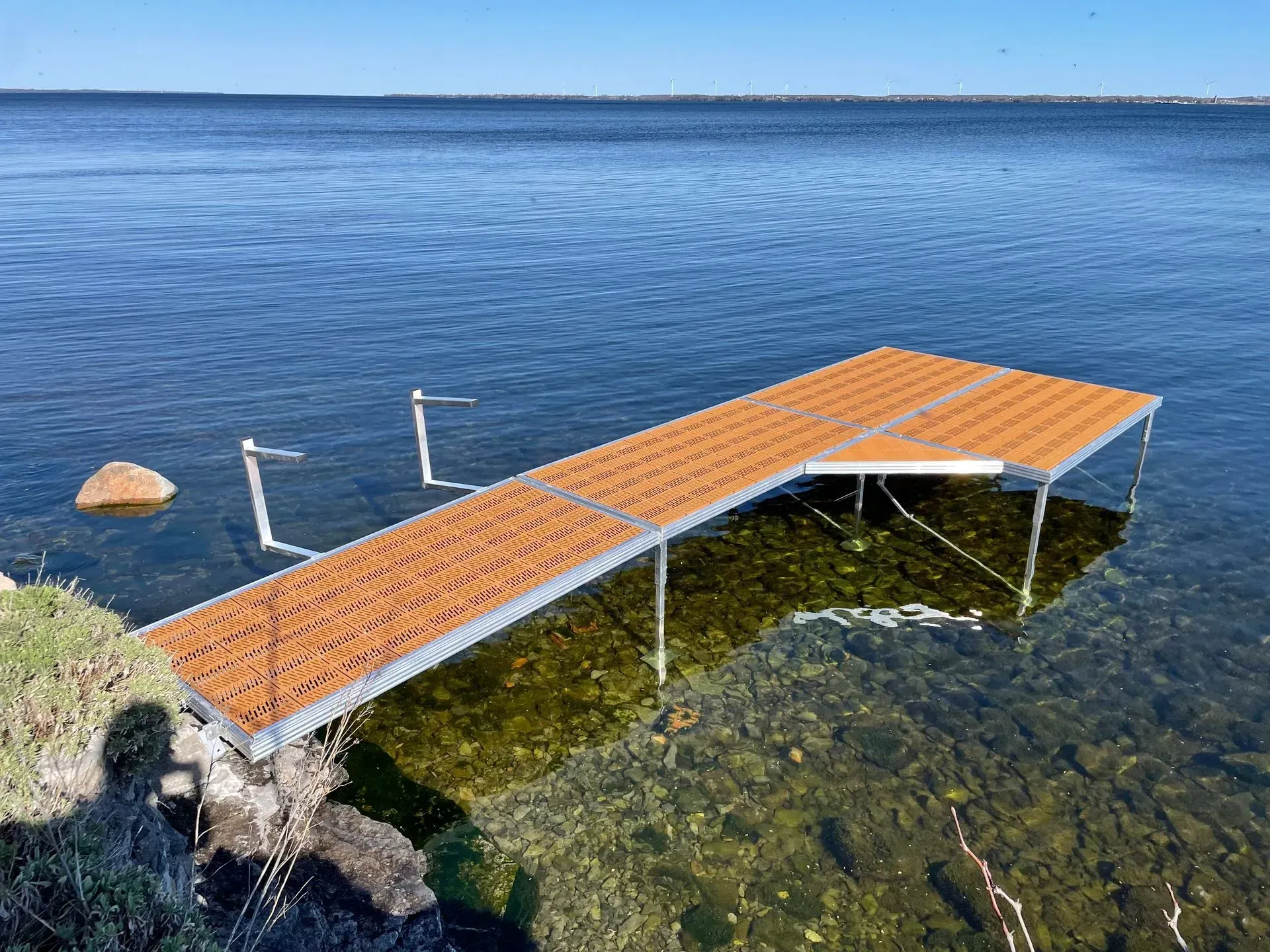
Every waterfront is different, and the right boat lift should match the conditions where it will be installed. Factors like water depth, bottom composition, wave action, current, and seasonal water level fluctuations all influence which lift will perform best.
For waterfront properties along systems like the Rideau Canal, water levels naturally change throughout the boating season. Fisheries and Oceans Canada's guidance on waterfront structures also highlights the importance of considering environmental conditions when planning and maintaining docks and related infrastructure.
Taking these conditions into account helps ensure your lift performs reliably throughout the season.
Think About How You Use Your Boat
The "right" boat lift isn't always determined by the boat itself.
It's also determined by how often it's used.
Someone who heads out every weekend has different needs than someone who launches their boat a handful of times each summer.
Consider questions like:
- How frequently is the boat used?
- Is quick access important?
- Will multiple family members be operating the lift?
- Is convenience a top priority?
- Will the boat remain at the dock for extended periods?
The answers often help narrow down which lift style will provide the best long-term experience.
Plan for the Future, Not Just Today
Many waterfront owners upgrade their boats over time.
What starts as a small fishing boat may eventually become a larger fishing boat, a ski boat, or even a pontoon.
Choosing a lift with a little additional capacity today may prevent the need for another major investment a few years down the road.
That doesn't necessarily mean purchasing the largest lift available. It simply means considering where your boating lifestyle may be headed.
Capacity Is About More Than Weight
Lift capacity is often the first specification people compare, but it shouldn't be the only one.
Weight distribution, hull shape, and the way a boat sits on the lift all affect performance.
A properly sized lift supports the boat evenly while reducing unnecessary stress on both the lift and the hull.
This is one reason why working with an experienced waterfront specialist can make such a difference. Matching the lift to the boat involves much more than selecting the next capacity rating above the manufacturer's listed weight.
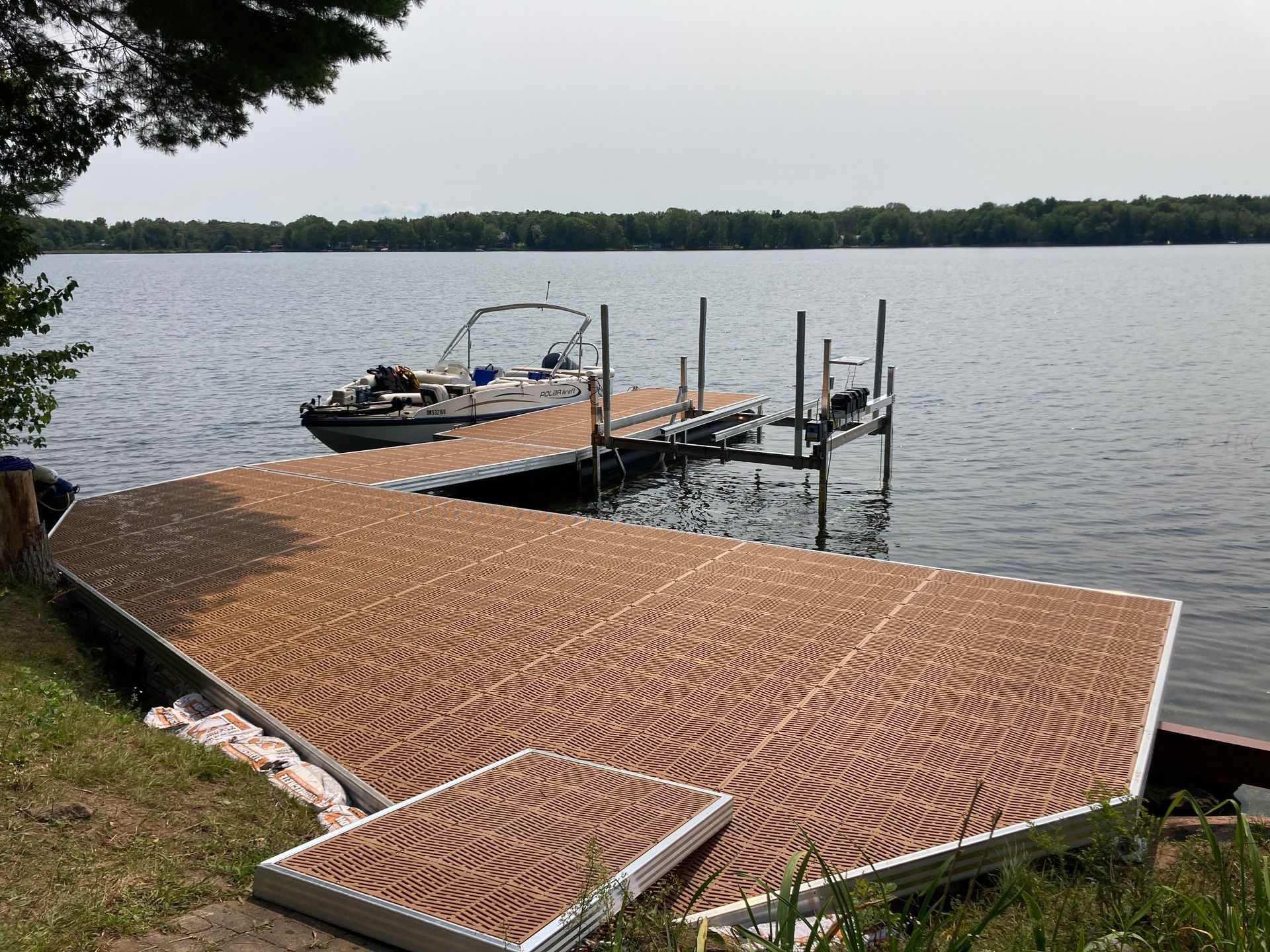
Superior Systems offers a variety of boat lifts designed to accommodate different boat sizes and waterfront conditions.
Consider Ease of Ownership
A boat lift should make spending time on the water easier—not more complicated.
When comparing options, think beyond the initial installation.
Questions worth asking include:
- How easy is it to launch and retrieve the boat?
- How much routine maintenance is required?
- Is operation simple for every member of the family?
- Will the lift continue to meet your needs years from now?
The easier a lift is to operate, the more likely it is to become part of your regular boating routine.
The Right Waterfront Layout Makes a Difference
A boat lift doesn't exist on its own.
It becomes part of your entire waterfront.
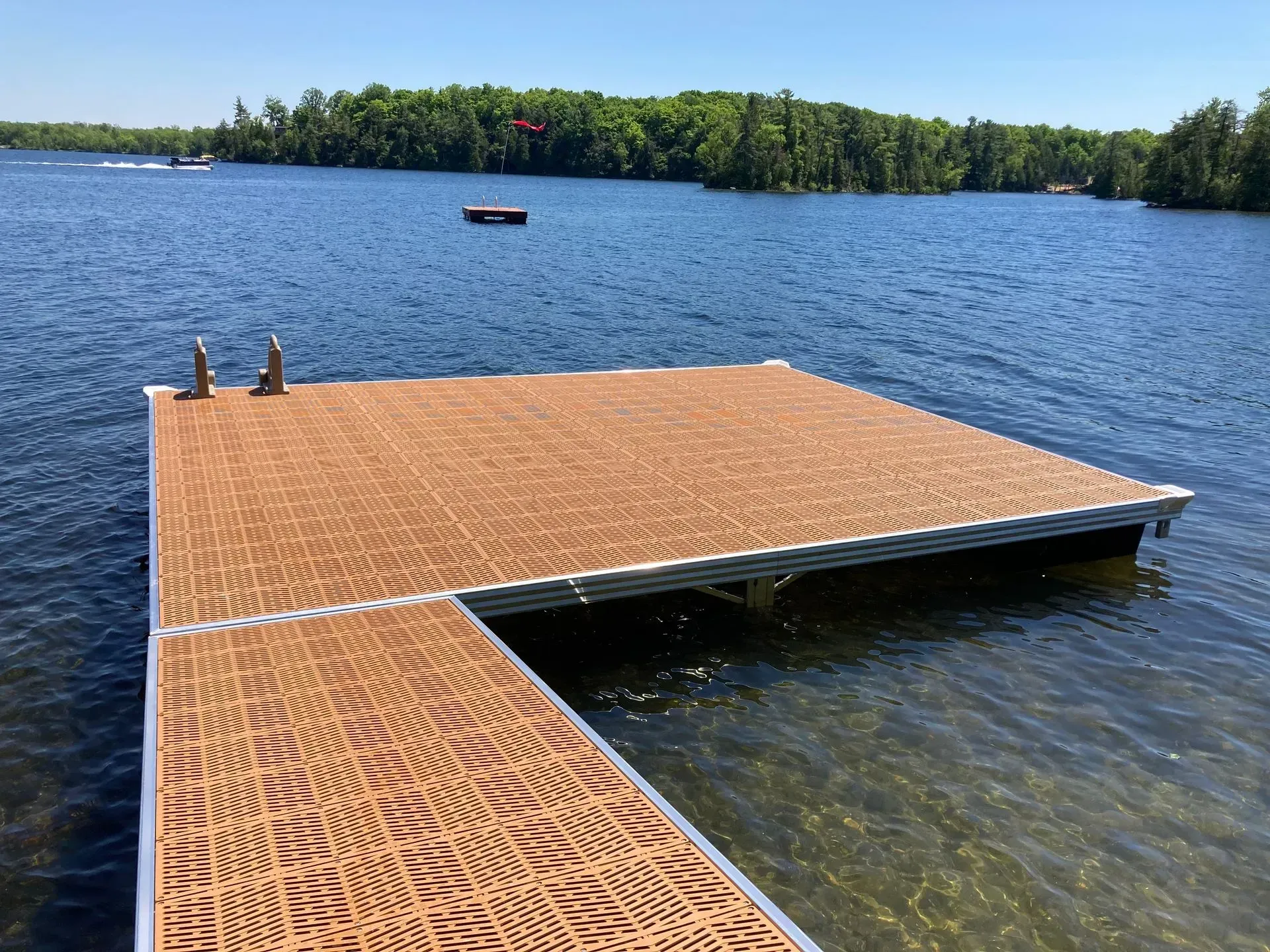
The location of the dock, available space, shoreline configuration, and the placement of ladders, cleats, and accessories all contribute to how functional the waterfront feels.
When these elements work together, boarding becomes easier, traffic flows more naturally, and launching the boat takes less time.
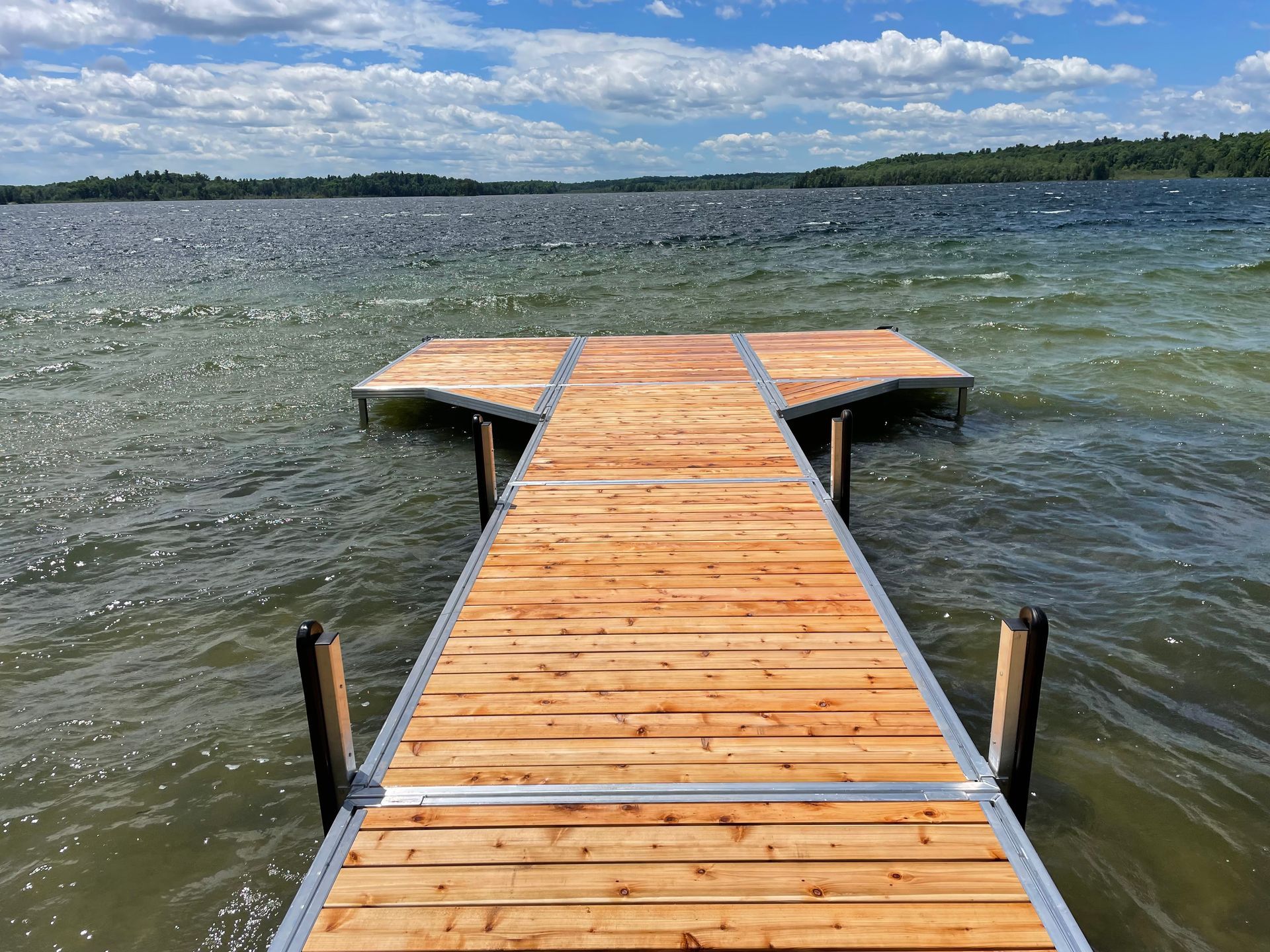
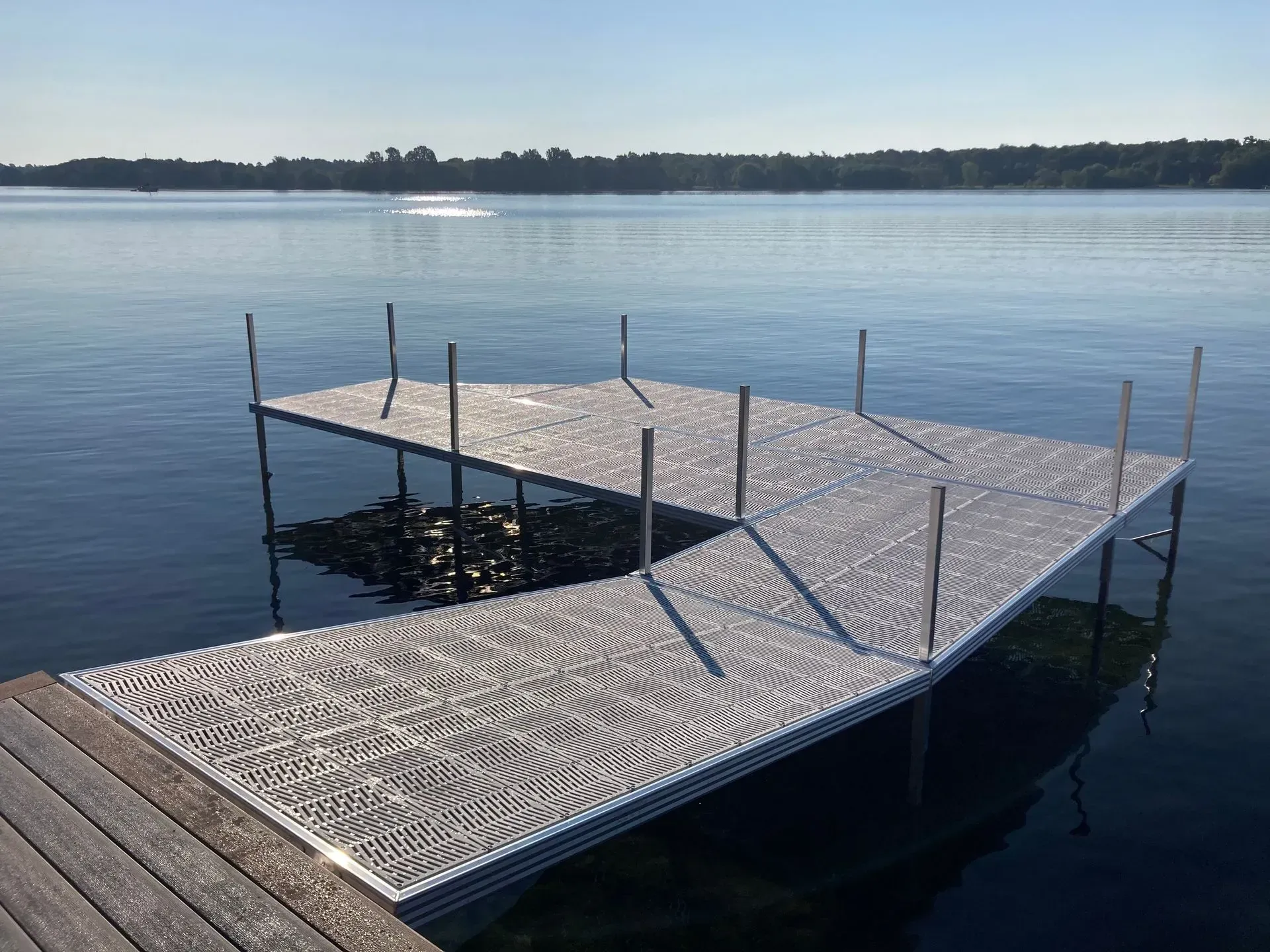
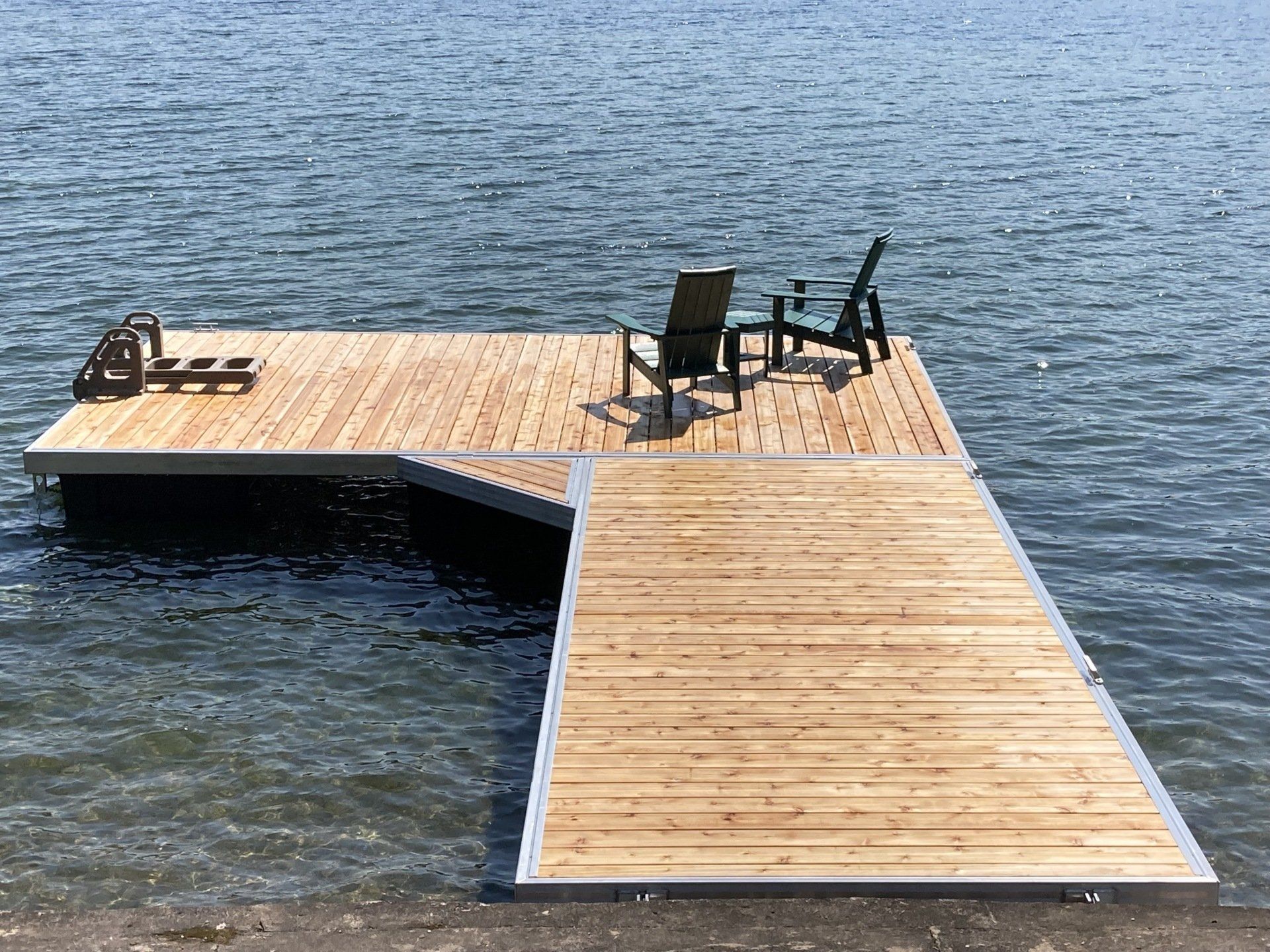
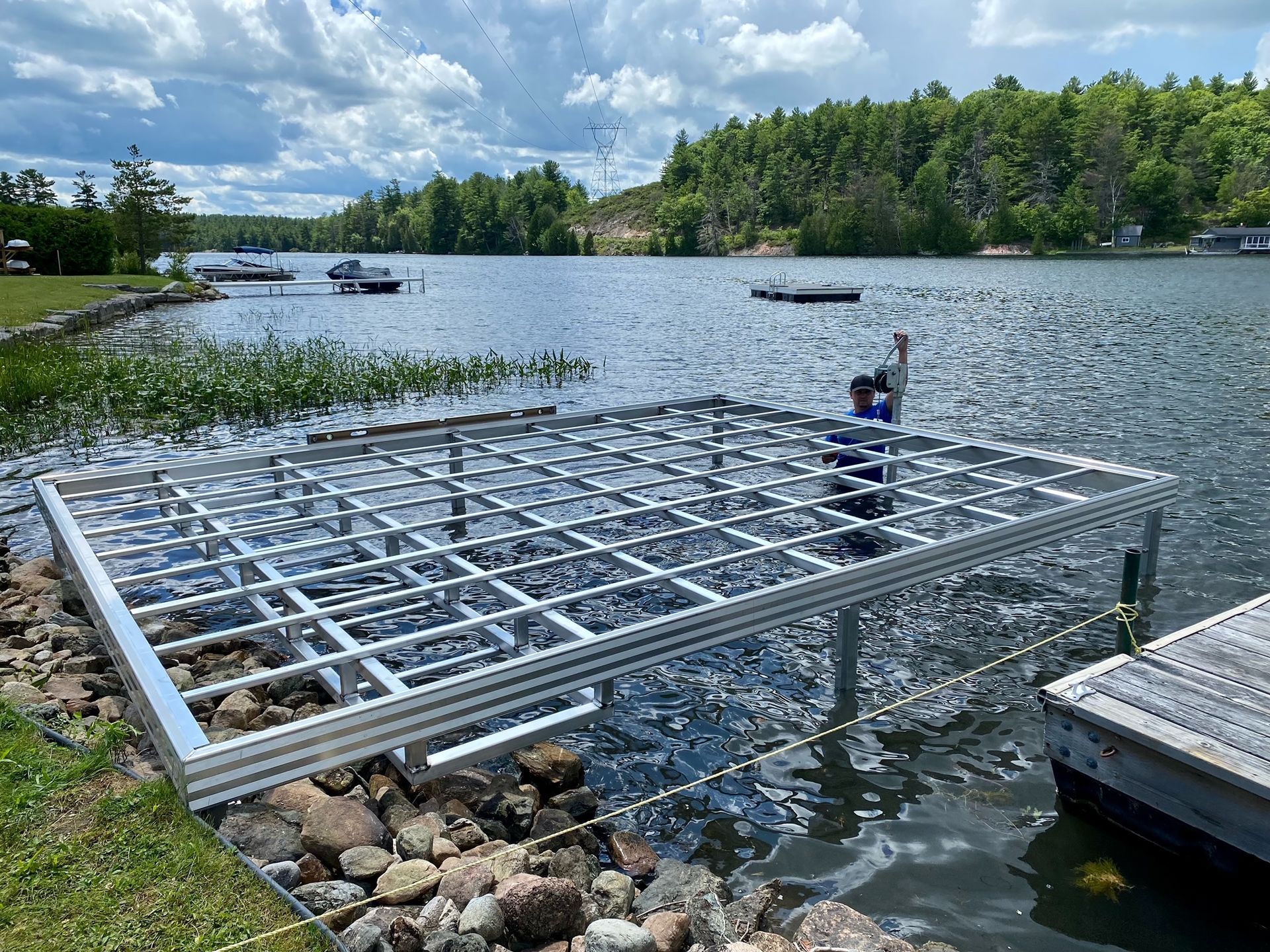
Superior Systems' floating docks and dock accessories can help create a waterfront that works seamlessly alongside your boat lift.
Work With a Company That Understands Your Waterfront
No two waterfront properties are exactly alike.
Even neighbouring cottages can have different water depths, bottom conditions, exposure to wind, and seasonal fluctuations.
That's why choosing a boat lift shouldn't be based solely on specifications found in a brochure.
Working with professionals who understand local waterfront conditions helps ensure the lift is properly matched to both your boat and your shoreline.
Transport Canada's information on boat owner responsibilities also emphasizes that maintaining equipment and making informed ownership decisions are important parts of responsible boating.
Taking the time to choose the right lift from the beginning helps protect your investment and improves your overall boating experience.
Choosing a boat lift isn't simply about finding one that's large enough to hold your boat.
It's about finding a lift that suits your boat, your shoreline, and the way you enjoy life on the water.
By considering your waterfront conditions, future boating plans, and how often you use your boat, you can make a decision that provides years of dependable performance and convenience.
For additional information about safely lifting, launching, and handling boats, Canadian Boating's guide to lifting, launching and trailering offers practical advice for boat owners looking to protect their investment.