
How to Prepare Your Dock for the Perfect Day at the Lake
There’s something special about an early morning at the lake. The water is calm, the air is cool, and the dock quickly becomes the gathering place for the day ahead. Coffee is poured, fishing rods come out, kids start asking when they can swim, and plans begin to take shape.
The best days on the water often feel effortless. Boats launch without a hitch, paddleboards are ready to go, and everyone spends more time enjoying the lake than solving unexpected problems. But those smooth summer days rarely happen by chance.
They begin with preparation.
Whether it’s a permanent home on the water or a favourite cottage destination, a few simple habits can make the difference between a relaxing day at the lake and one interrupted by preventable repairs, safety concerns, or last-minute maintenance.
It Starts with a Walk Down the Dock
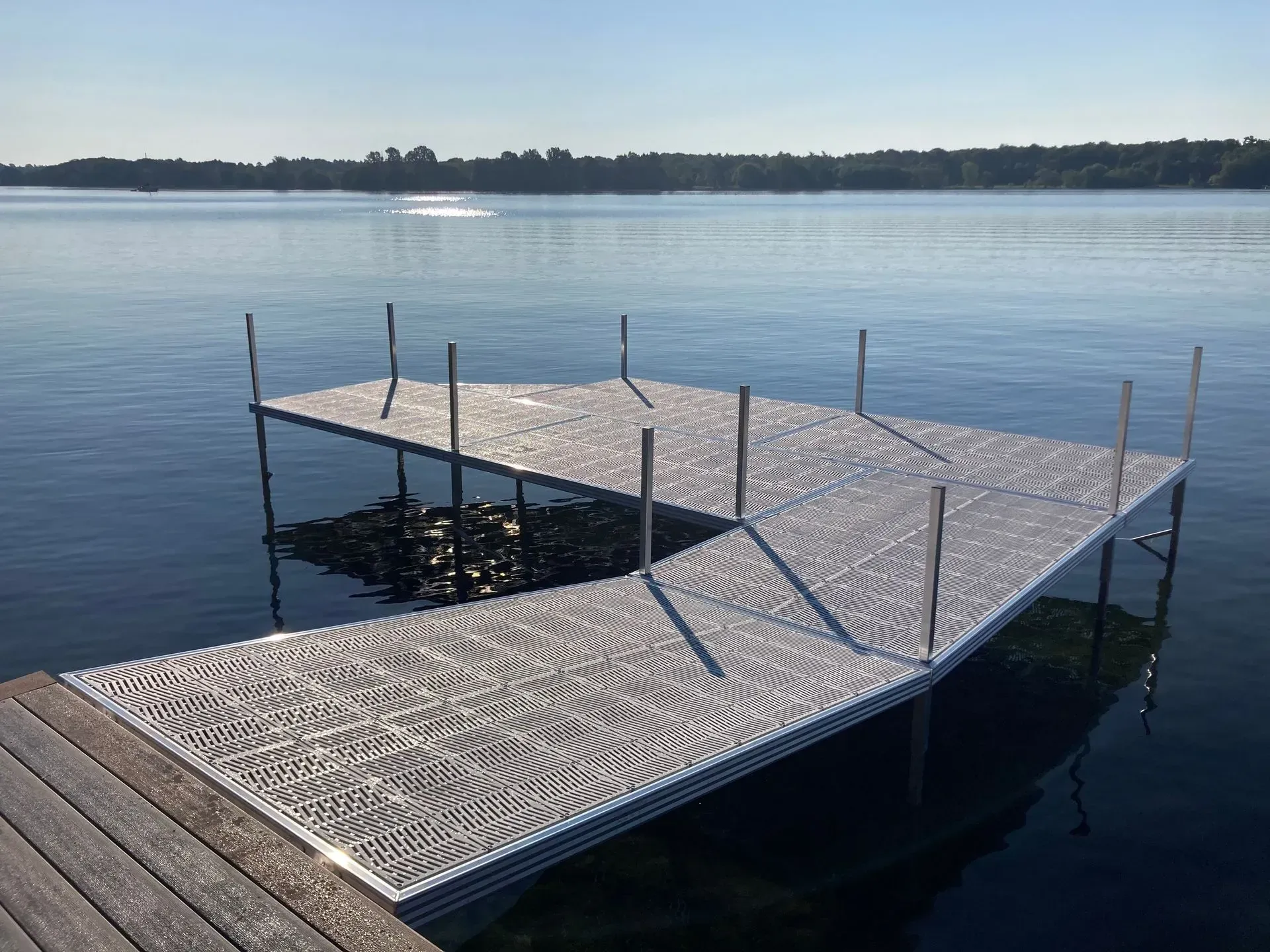
Before the first boat leaves the shoreline, a quick walk down the dock can reveal a lot.
Loose boards, shifting hardware, slippery surfaces, and cluttered walkways are easy to miss once the day gets busy. Wind, waves, fluctuating water levels, and regular use all have an impact over the course of a season.
The earlier small issues are noticed, the easier they are to address. A dock that feels steady underfoot gives everyone more confidence, whether they’re carrying coolers, helping kids into the water, or stepping onto the boat.
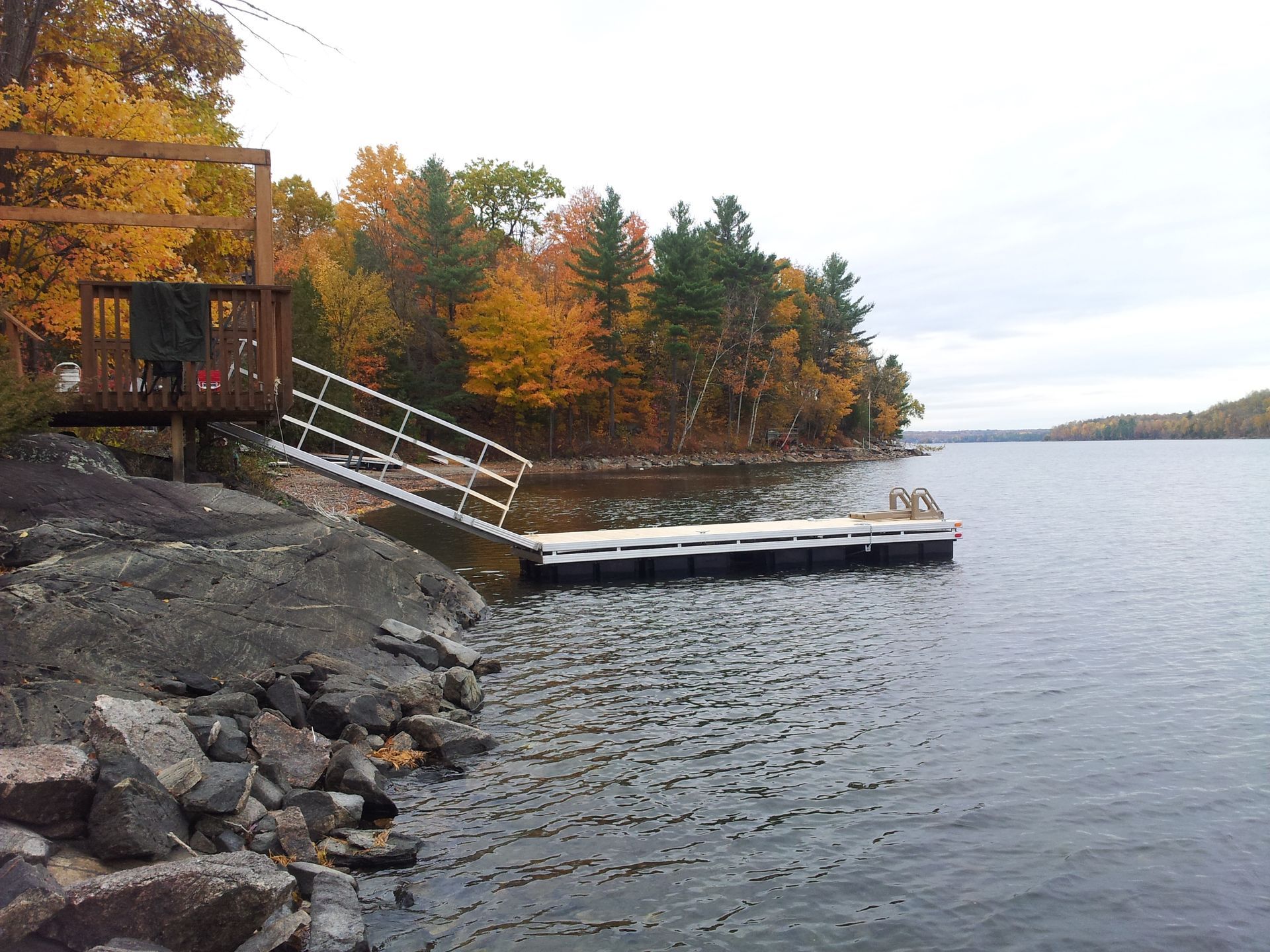
For many waterfront owners, this is also where the value of a well-planned dock system becomes clear. CM Superior Systems’
floating docks are designed to move with changing water levels, helping create a more adaptable waterfront setup.
The Little Things Often Matter Most
Some of the biggest interruptions to a lake day come from the smallest oversights.
A loose cleat can make securing a boat frustrating. A ladder that isn’t firmly attached can become a safety issue. Gear left scattered across the dock can quickly turn into a tripping hazard.
Before the day gets going, it helps to check:
- Cleats and hardware
- Ladders and handholds
- Dock surfaces
- Lighting, if the dock is used in the evening
- Ropes, bumpers, and loose accessories
- Walkways and boarding areas
This kind of preparation does not need to take long. It simply keeps the dock safer, cleaner, and easier to use throughout the day.
A Safer Dock Creates a Better Day on the Water
A dock is more than a place to tie up a boat.
It’s where children learn to fish. It’s where paddleboards and kayaks are launched. It’s where swimmers climb back out of the water, friends gather before a cruise, and everyone returns at sunset.
Because the dock is used so often, safety should be part of the routine. The Canadian Safe Boating Council’s cold water awareness resources are especially helpful for Ontario waterfront owners, particularly during spring and fall when the air may feel warm but the water can still be dangerously cold.
A safer waterfront starts with simple habits: clear walkways, easy access to lifejackets, visible ladders, and equipment that is properly secured.
The Boat Lift Deserves Attention Too
For waterfront owners with a boat lift, a smooth day on the lake often depends on the lift working exactly as expected.
Before launching, it’s worth looking for worn cables, unusual movement, debris, corrosion, or anything that feels different from normal operation. Small signs of wear can become bigger problems if they’re ignored during the busiest part of the season.
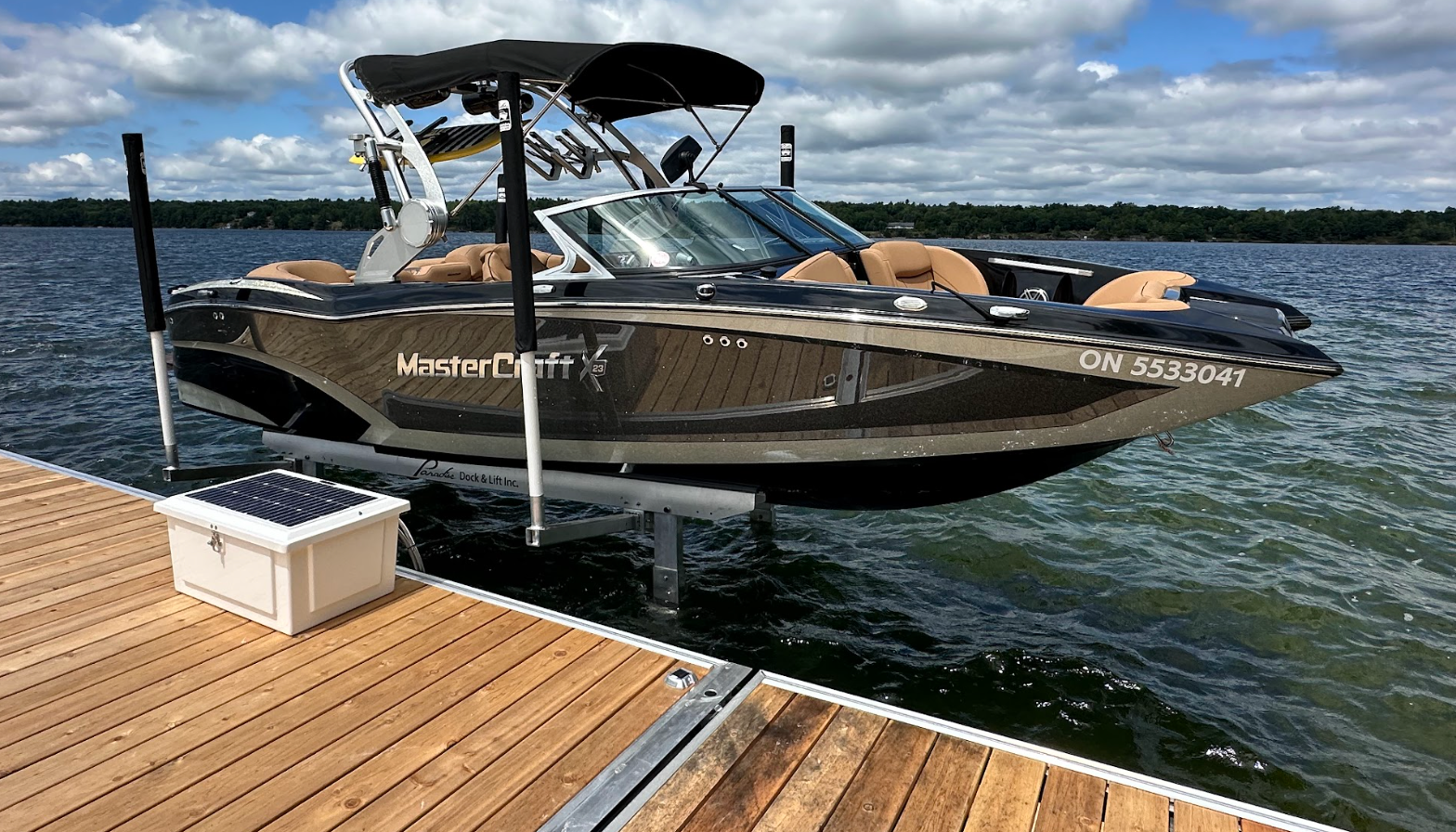
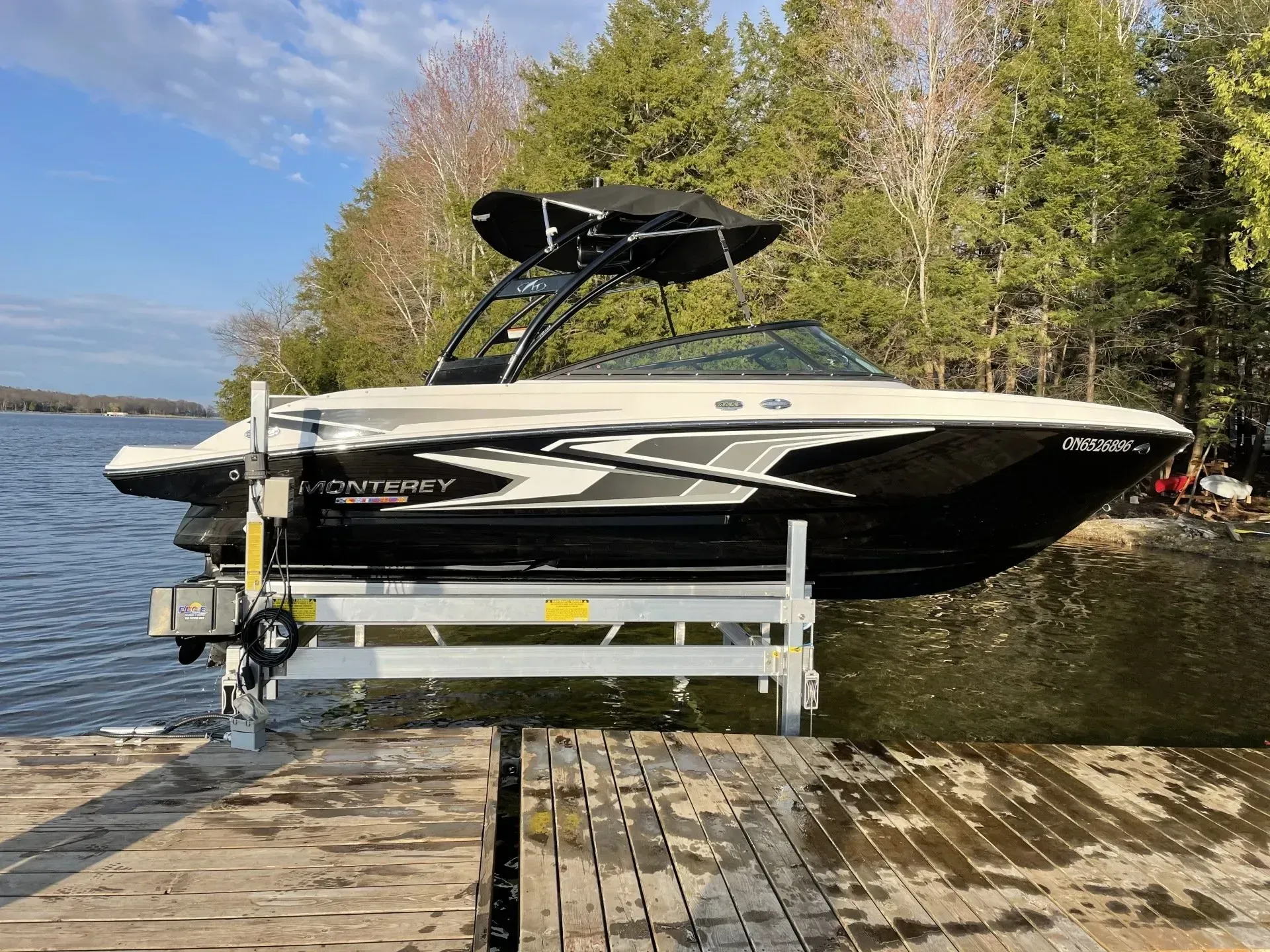
A reliable boat lift protects the boat, makes launching easier, and reduces the stress of getting on and off the water. CM Superior Systems’ boat lifts can support a range of boats and waterfront conditions, helping owners choose a setup that fits the way they actually use the lake.
Good Waterfront Habits Make the Day Easier
The best lake days tend to follow a rhythm.
The dock is clear before people arrive. Lifejackets are easy to find. Ropes are ready. The boat is secured properly. Gear has a place to go. Nothing feels rushed.
That kind of ease comes from preparation, not luck.
The Transport Canada guide to maintaining a safe pleasure craft is a useful reminder that safe boating begins before leaving shore. Regular maintenance, proper equipment, and pre-departure checks all play a role in preventing problems on the water.
The same mindset applies to the dock. A few minutes of attention before the day begins can prevent hours of frustration later.
Water Levels Change More Than Many Owners Expect
Ontario waterfront owners quickly learn that no two seasons are exactly the same.
Spring runoff, heavy rainfall, dry stretches, and changing lake conditions can all affect water levels. A dock setup that works perfectly one year may need small adjustments the next.
This is especially important for families who use their waterfront in many different ways: swimming, fishing, boating, kayaking, entertaining, or simply sitting by the water. The right dock setup should support the way the shoreline is actually used.
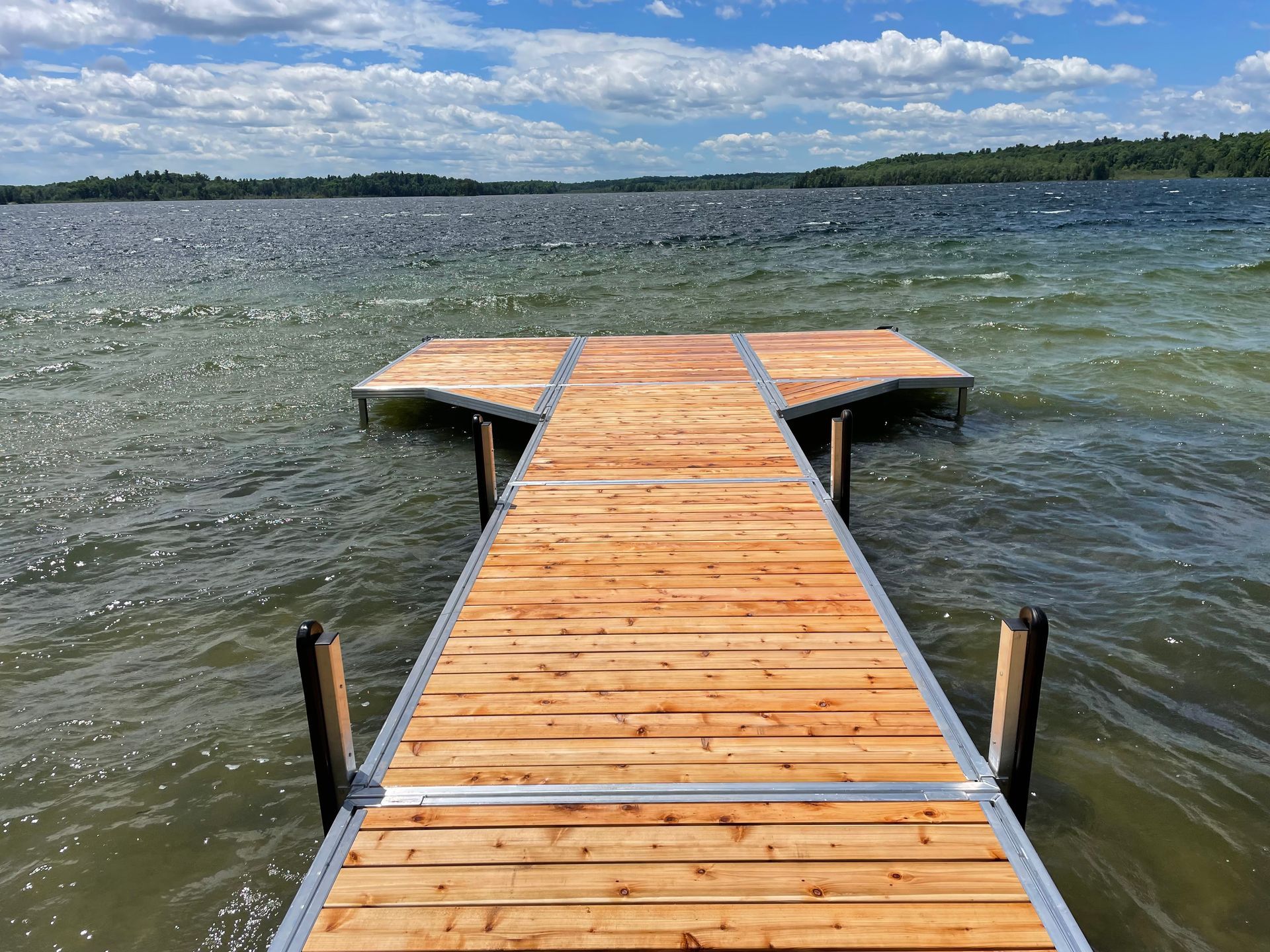
CM Superior Systems’ dock accessories can help make a dock more functional, organized, and comfortable throughout the season.
The Evening Routine Matters Too
As the sun sets and the last boat returns to the dock, it’s easy to see the value of a well-prepared waterfront.
The boat launched smoothly. The dock stayed secure. Everyone spent more time enjoying the lake and less time dealing with preventable issues.
Before heading inside, a few final habits help protect the dock and boat overnight:
- Secure the boat properly.
- Put away loose gear.
- Check that walkways are clear.
- Confirm ladders and accessories are secure.
- Store safety equipment where it can be found easily the next day.
For additional boating safety reminders, Transport Canada’s Safe Boating Guide is a strong Canadian resource to reference throughout the season.
The memories that last are rarely about rushing to fix a loose board, untangling gear, or dealing with unexpected equipment problems.
They’re about quiet mornings on the dock, afternoons on the water, and evenings spent watching another Ontario sunset.
The best days at the lake don’t begin when the engine starts.
They begin long before the boat leaves the dock.