
A Cottage Dock Built for Three Generations
A cottage dock rarely belongs to one person.
At first, it may be planned around a boat. Then the family starts using it differently. Kids sit along the edge with fishing rods. Grandparents need a steadier place to board. Guests arrive with paddleboards, coolers, dogs, towels, and good intentions. What looked like a simple dock decision becomes a much bigger question: how does this waterfront need to work for everyone who uses it?
On Big Rideau Lake and across Rideau Lakes, that question matters. A dock is not only a place to tie up a boat. It becomes the main entrance to the water, the gathering point for the family, and one of the most used parts of the property during cottage season.
The First Plan Is Usually About Access
The first conversation often starts with practical needs. Where will the boat go? How deep is the water? How far does the dock need to extend? Is there space for swimming? Will the shoreline allow an easy walk from the cottage?
Those are important questions, but they are only the beginning. A dock that works well for one person unloading a boat may not work as well when several generations are using it at the same time. The plan needs to consider movement, comfort, safety, and how the waterfront changes throughout the day.
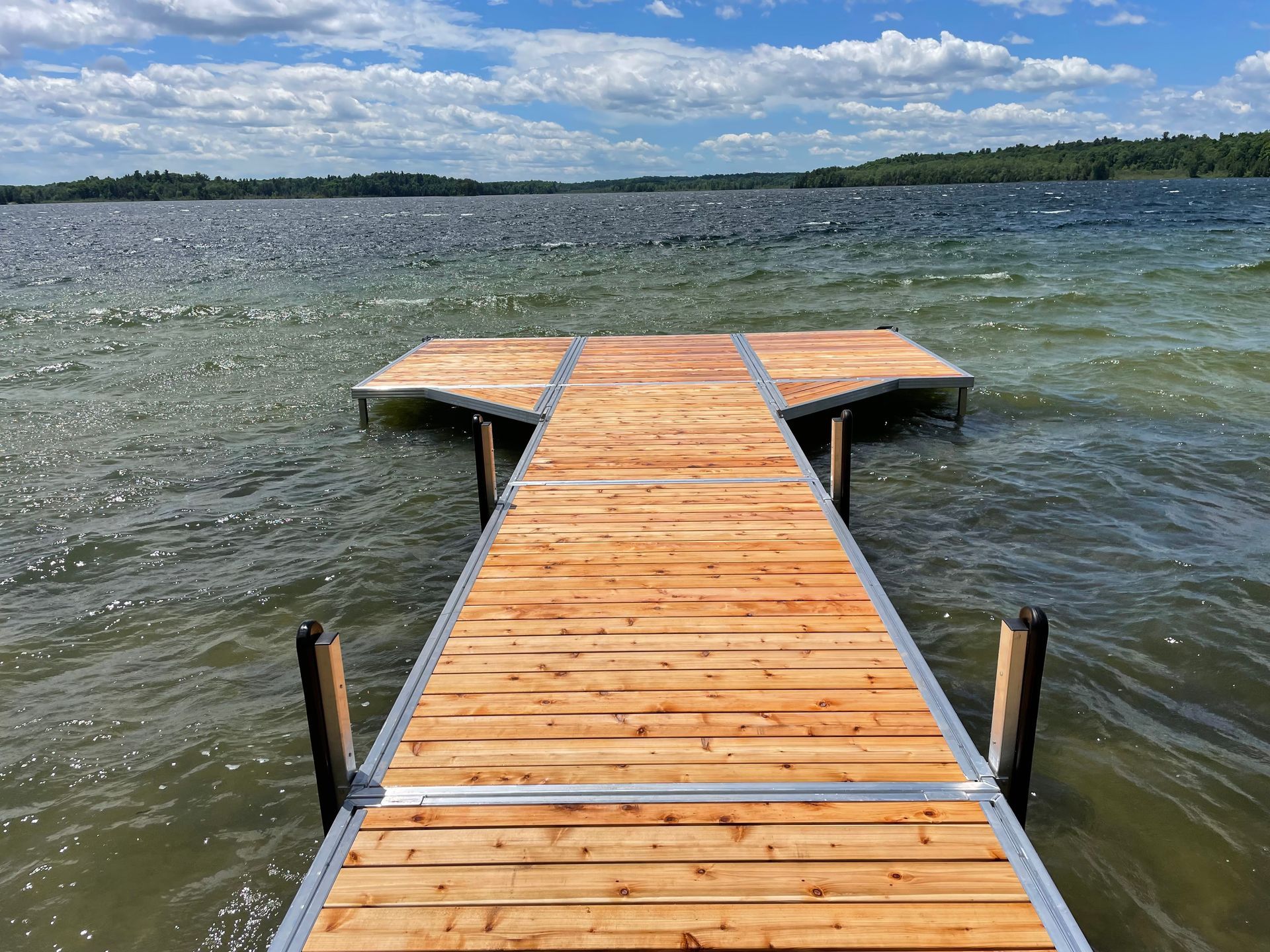
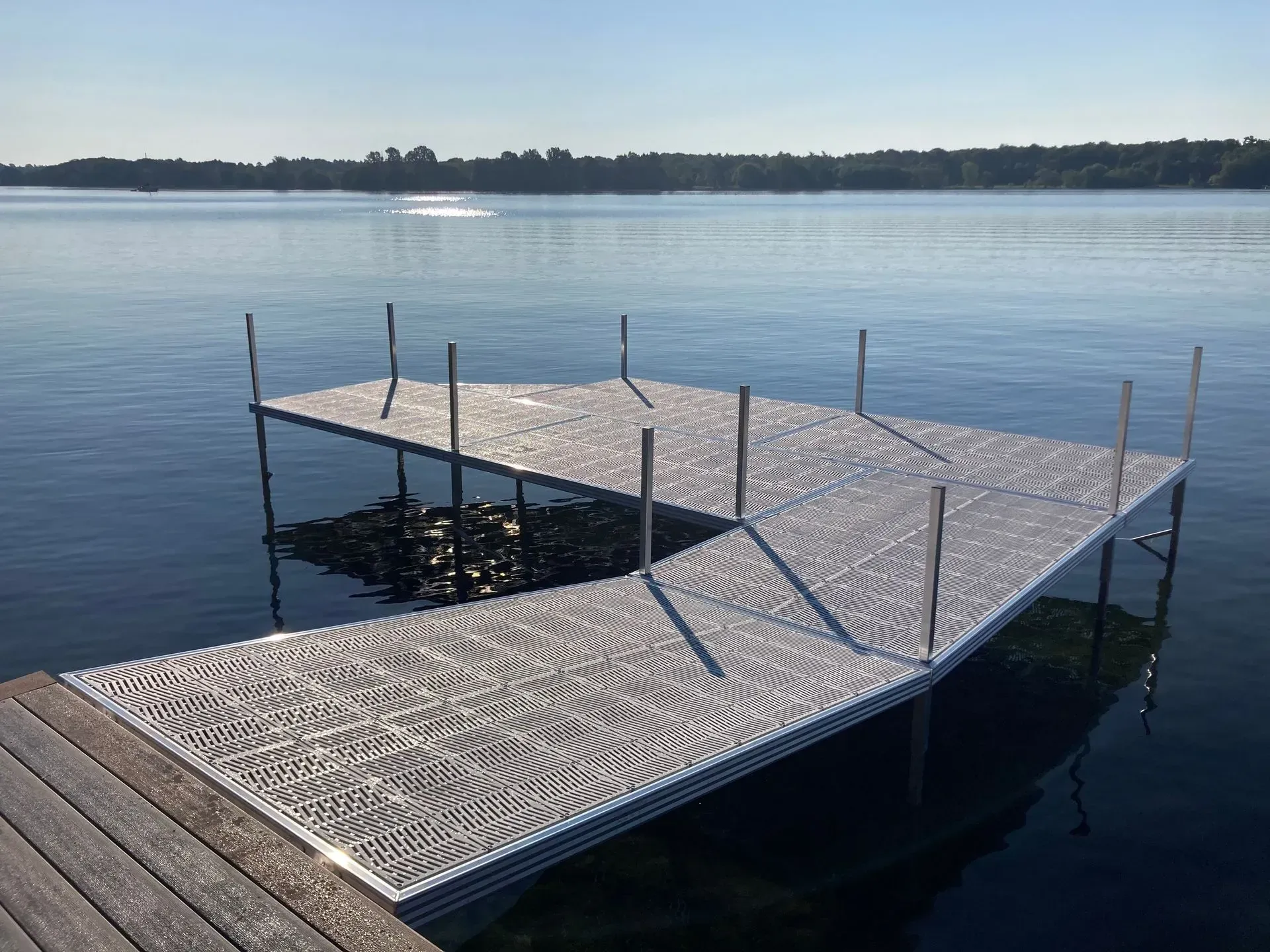
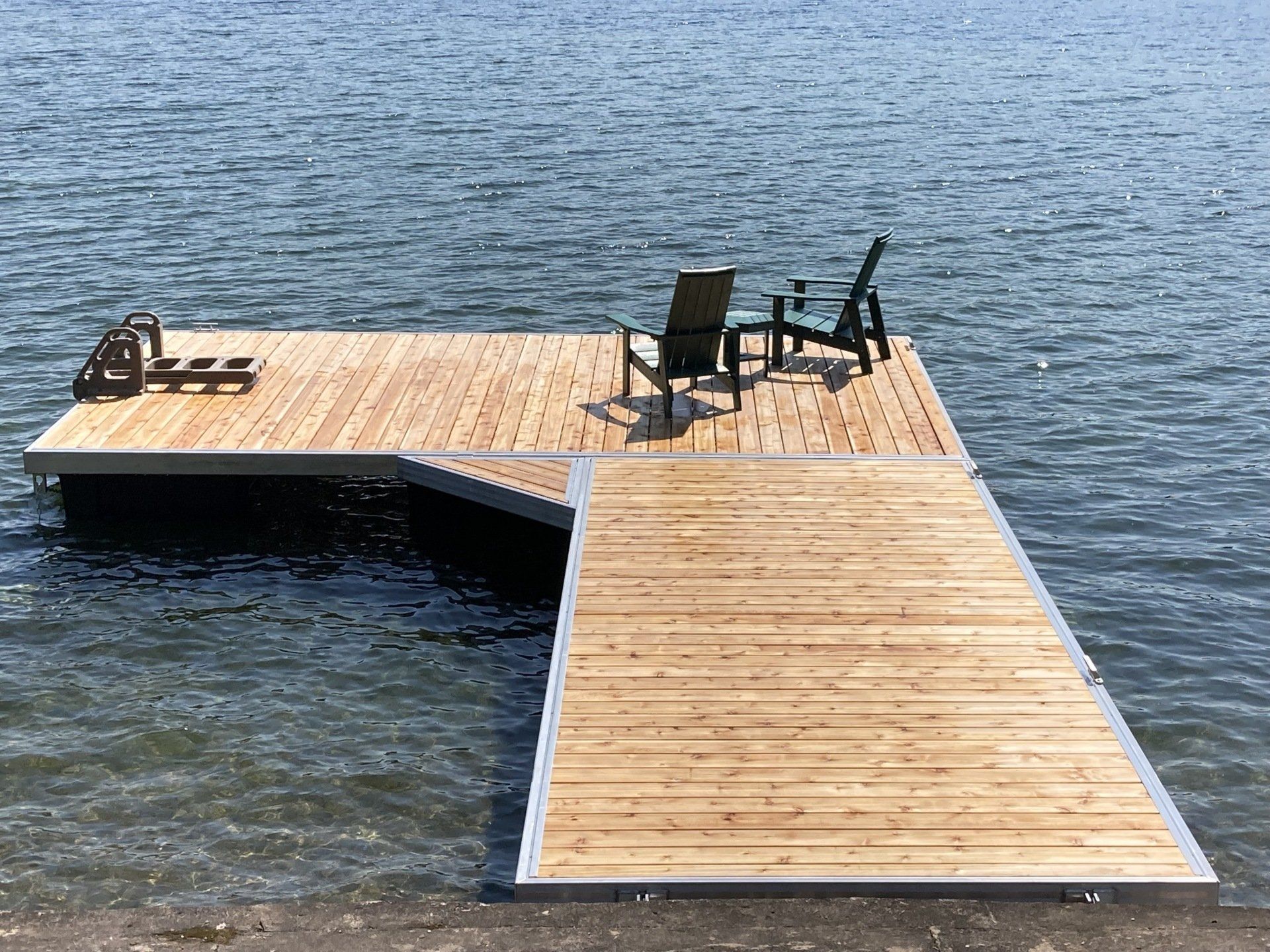
A family may need one area for boarding, another for sitting, and a clear path for people moving between shore, boat, and water. That is where thoughtful dock layout ideas for Ontario waterfronts become more than a design preference. They help the dock function as part of the cottage, not just an add-on at the shoreline.
The Dock Has to Work on a Busy Saturday
A quiet weekday can make almost any dock feel suitable. The real test often happens on a busy summer Saturday.
The boat comes in while someone is swimming. A guest is trying to step down with a cooler. Kids are moving between the dock and the water. Someone is carrying chairs to the end. A paddleboard is tied off in the wrong place. The dock suddenly has to handle more movement, more weight, and more decision-making than expected.
This is where the story of a dock changes. It is not only about structure. It is about flow.
A dock planned for multiple generations should avoid creating pinch points where people naturally gather. Boarding areas should not compete with swim ladders. Seating should not block access. Cleats, bumpers, ladders, and lighting should be placed where they support movement rather than interrupt it. Planning dock accessories before spring installation helps avoid awkward placement decisions once the dock is already in use.
Different Generations Notice Different Problems
Every generation uses the dock differently.
Younger kids notice where they can jump, climb, sit, and re-enter the water. Teenagers look for space to lounge, launch paddleboards, and gather with friends. Adults care about boat access, durability, and how easily the dock supports daily use. Older family members often notice stability, step height, handholds, surfaces, and how confident they feel moving between the dock and the boat.
A dock that feels convenient to one person can feel uncomfortable or unsafe to another. That does not mean the dock needs to be overbuilt or complicated. It means the plan should account for more than the strongest, most mobile person using it.
Safe boating expectations also matter when people of different ages are using the waterfront. Transport Canada’s boating safety guidance reinforces the importance of lifejackets, safe boarding habits, and preparing for recreational boating before people are on the water.
Big Rideau Lake Adds Another Layer
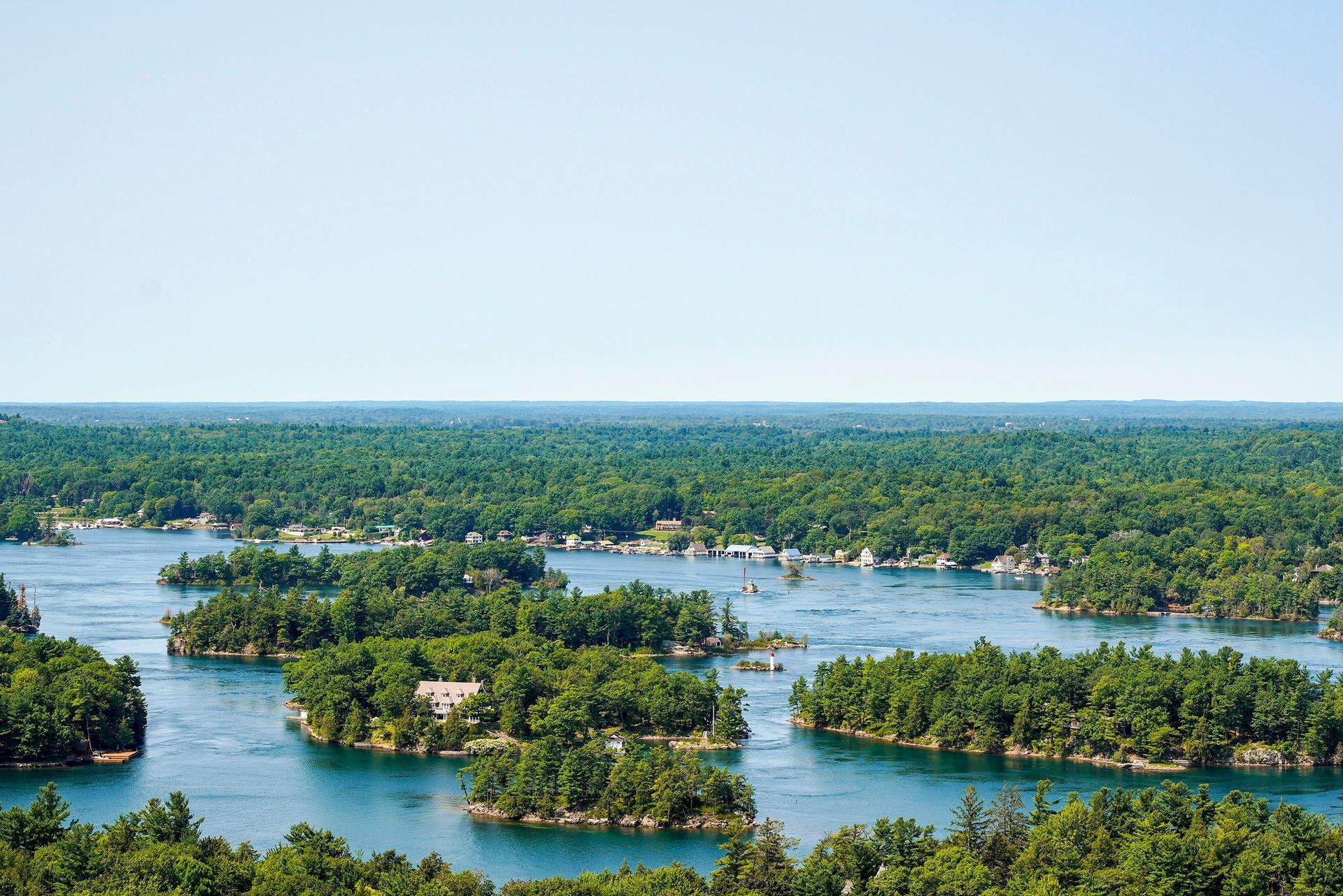
Big Rideau Lake is not a small, sheltered pond. It is part of the Rideau Canal system, with active boating, changing conditions, exposed sections, and a mix of private and public waterway use. Parks Canada describes the Rideau Canal as a 202 km navigational waterway used by boaters and paddlers during the navigation season, which gives important context for how busy and varied the system can be.
For cottage owners, that means dock planning should consider more than the property line. The dock has to function within the broader movement of the lake. Boat traffic, sightlines, navigation routes, and shared water use all influence how the waterfront feels in peak season.
A family dock on Big Rideau Lake may need to support morning swimming, afternoon boating, evening arrivals, and visiting guests without feeling crowded or exposed. Understanding the Rideau Canal navigation context helps explain why location, orientation, and daily use should be considered together.
Comfort Is Part of Long Term Value
When families compare dock systems, the conversation often centres on material, size, and cost. Those details matter, but they do not tell the full story.
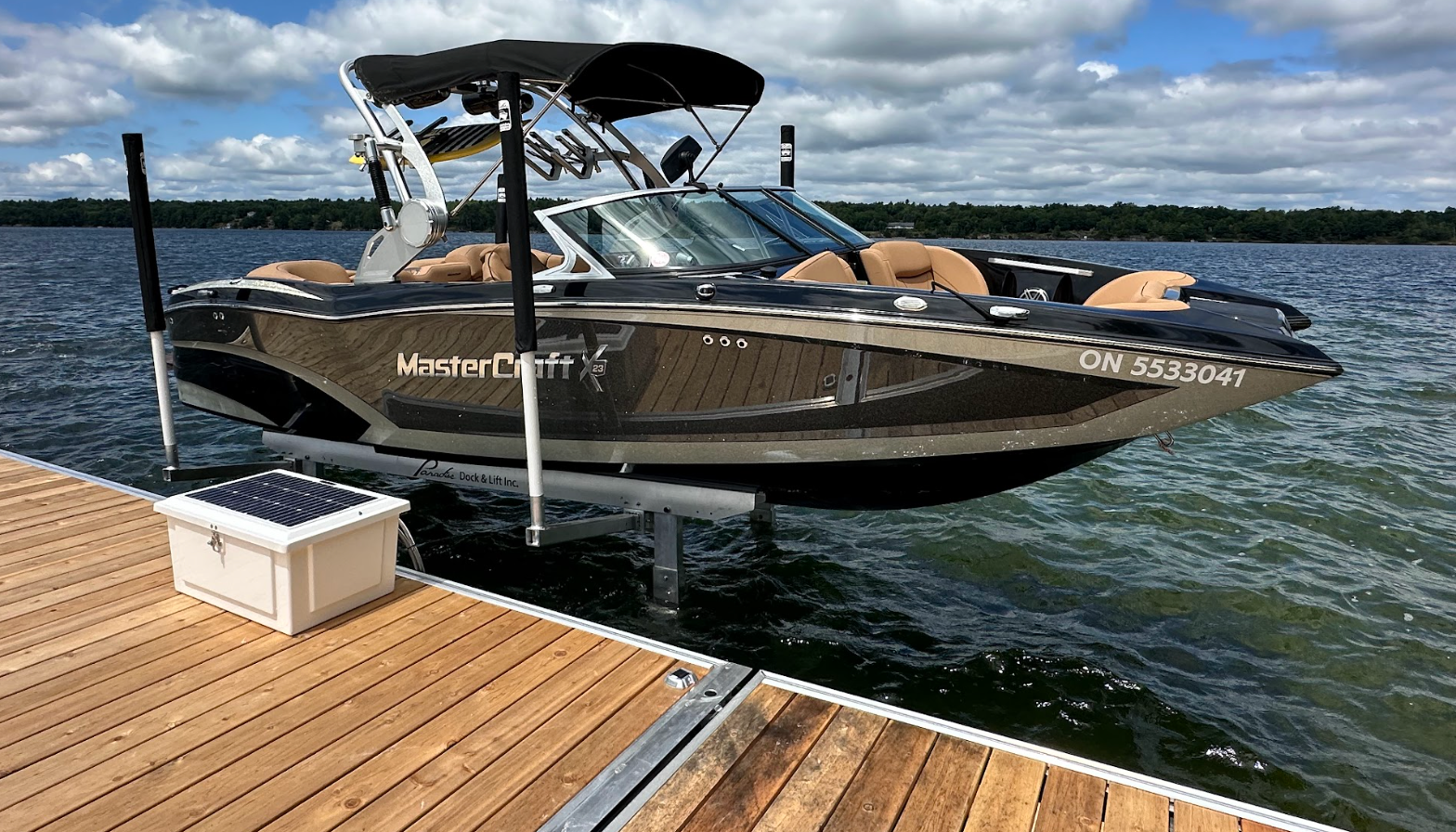
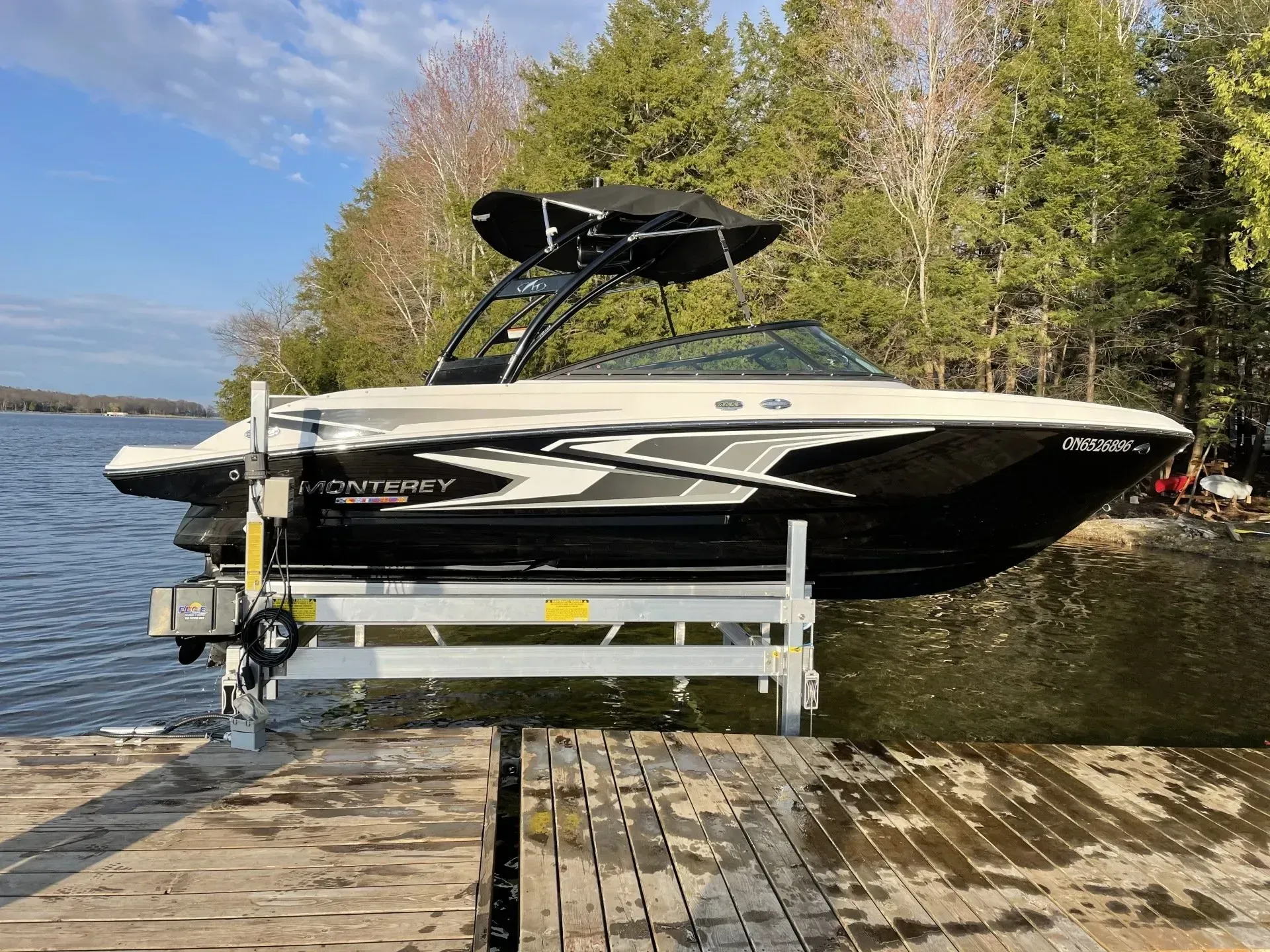
Long term value also comes from how well the dock supports real life at the cottage. A dock that is technically large enough may still feel cramped if it does not allow people to move comfortably. A dock that looks clean and minimal may become frustrating if there is nowhere practical to board, sit, load, or re-enter the water. A dock that works for the current boat may feel limiting if the family later adds a larger vessel, a PWC, or a lift system.
The best dock plan leaves room for how the property may be used over time. Families change. Boats change. Mobility needs change. The cottage may become a place where children grow up, parents age, and new generations start creating their own routines at the water.
That is where a dock becomes more than a seasonal purchase. It becomes infrastructure for the cottage.
The Shoreline Still Sets the Terms
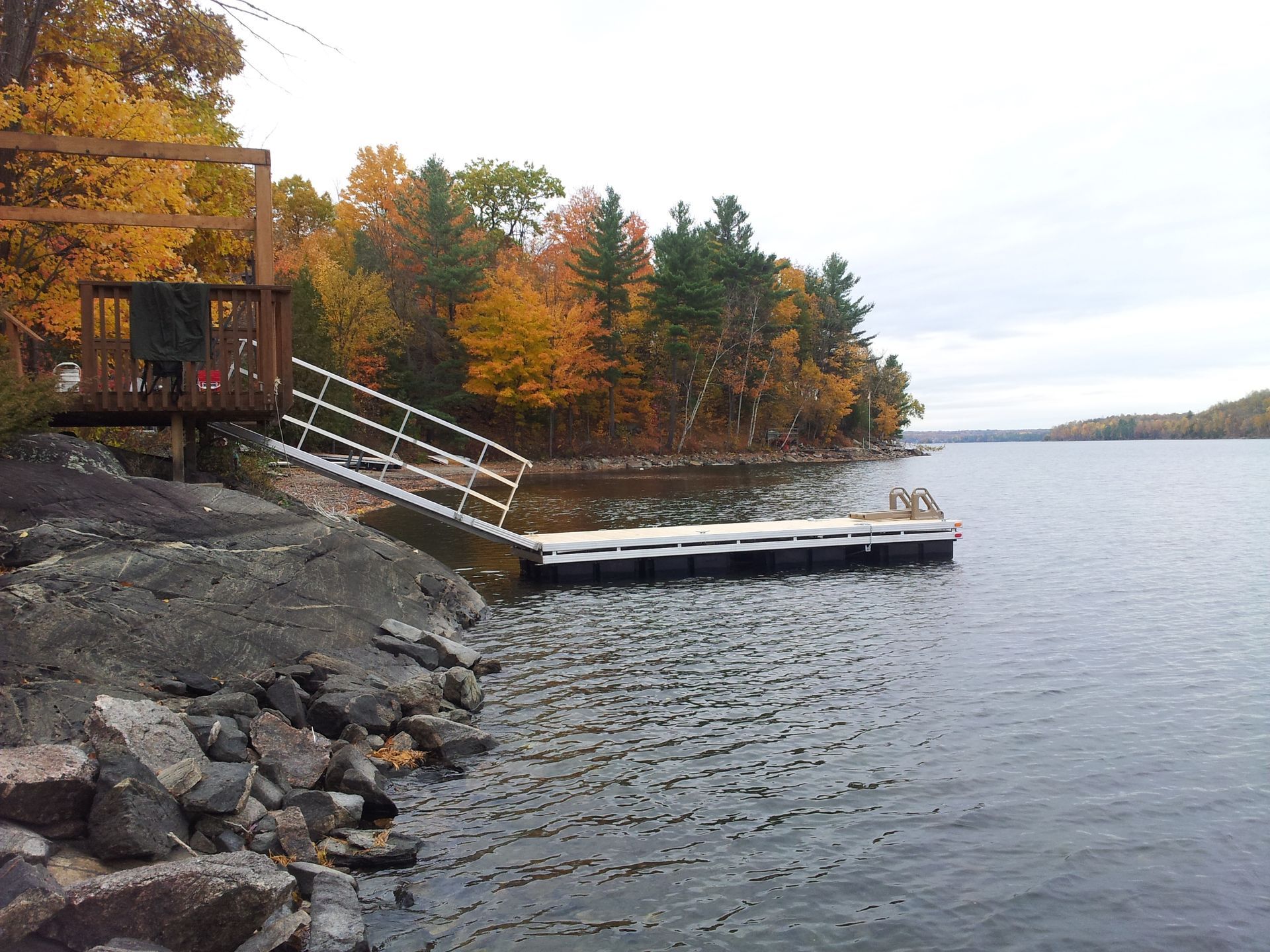
Even the best family plan has to respond to the shoreline. Water depth, lakebed conditions, slope, vegetation, access, and exposure all affect what is practical.
Some properties have a gentle entry and consistent depth. Others need a longer reach to get usable water. Some shorelines offer natural shelter. Others feel the full force of open-water movement. A dock should make the waterfront easier to use without ignoring the conditions that shape it.
The shoreline itself also deserves care. The Rideau Valley Conservation Authority’s
Shoreline Naturalization Program supports waterfront owners with natural planting and shoreline stewardship, which is a reminder that access and protection should be planned together.
A Better Dock Conversation
A three generation dock conversation sounds different from a basic product conversation.
It asks who will be using the dock. It looks at how people move. It considers where the boat sits, where swimmers re-enter, where older adults feel steady, and where guests naturally gather. It accounts for the site, but it also accounts for the family.
That kind of planning can also reduce avoidable risk. On busy waterfronts, dock use often extends beyond the immediate owners. Friends, neighbours, children, and visitors may all step onto the system during the season. Thinking through dock insurance and liability on Big Rideau Lake helps connect everyday design choices with broader property responsibility.
Built for the Way the Cottage Is Lived In
The right dock for a multi generation cottage is not always the biggest system or the most elaborate layout. It is the one that fits the property, the water, the boat, and the people who will use it most.
A well planned dock gives the family confidence. It makes boarding easier. It keeps movement clearer. It supports swimming, boating, quiet mornings, busy weekends, and the small routines that make the cottage feel like home.
For many waterfront owners in Rideau Lakes, that is the real purpose of the dock. It is not just a structure at the edge of the lake. It is where the cottage season begins.