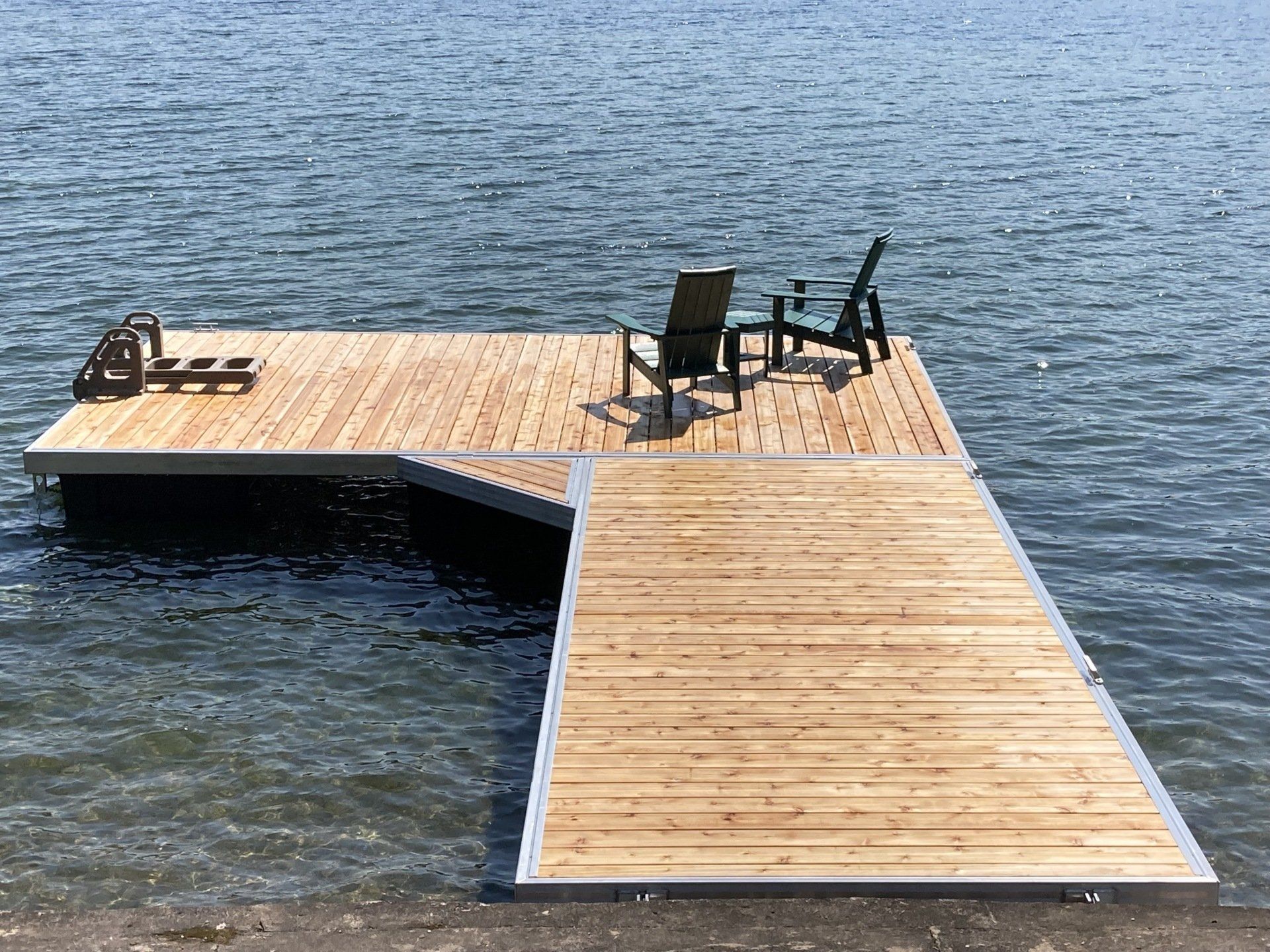

Choosing Dock Accessories Before Spring Installation
Dock accessories influence how a waterfront actually works day to day. While they’re often treated as add-ons, the best time to plan for them is before docks go back in the water. February creates space to think through safety, access, and movement without the pressure of installation schedules or spring supply delays.
Making these decisions early helps avoid rushed purchases, awkward placement, and mid-season changes once docks are already in use.
Safety Comes First
Safe movement on and off the dock should be the baseline before comfort or convenience is considered. Swim ladders, re-entry points, and edge protection are often used daily and should be placed with intention.
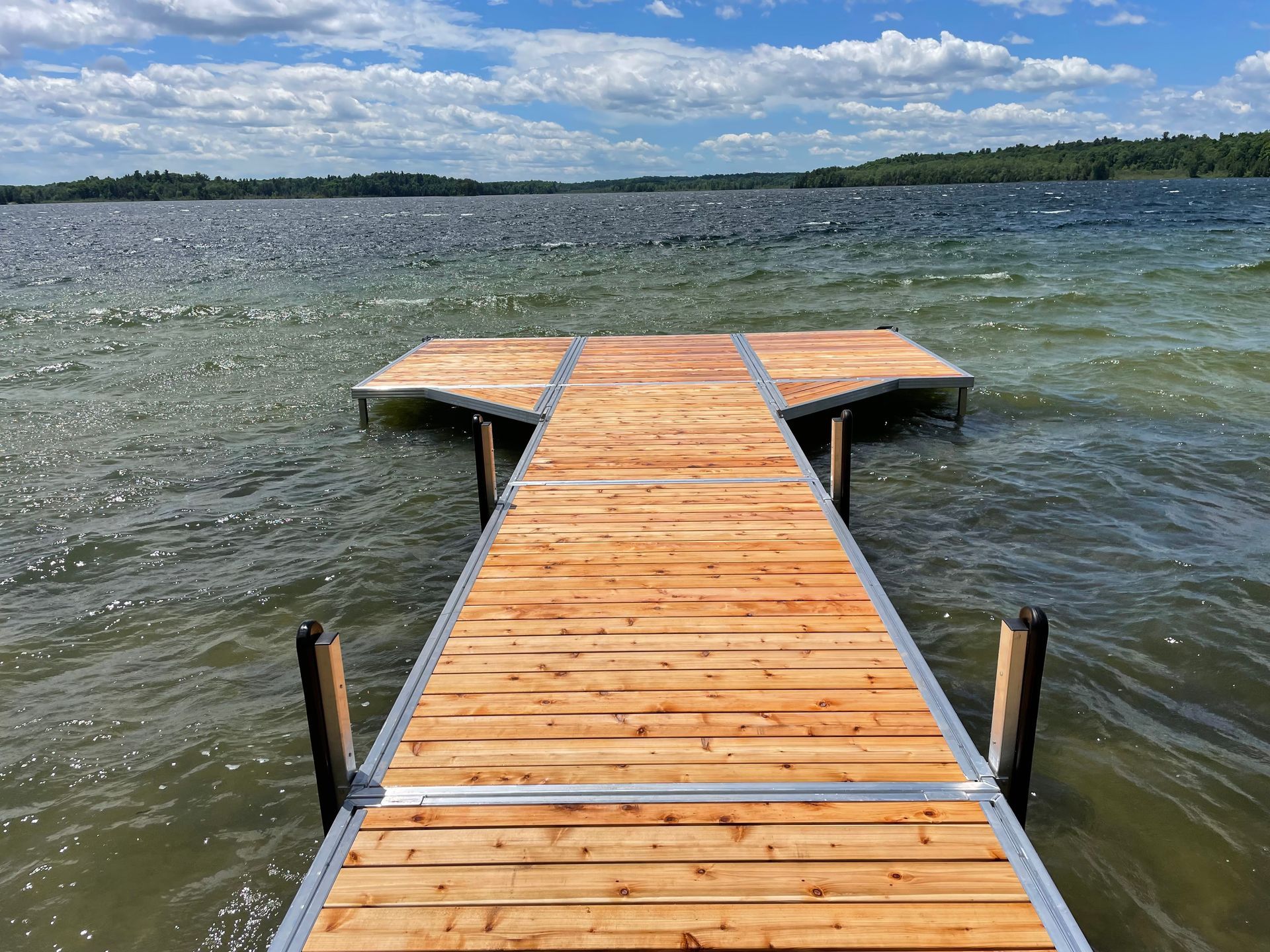
Swim ladders work best where water depth allows for easy re-entry without crossing boat traffic or lift paths. Dock edges and corners benefit from bumpers or guards in areas exposed to wind, current, or fluctuating spring water levels, helping protect both vessels and dock frames.
Accessories that support safe boarding become especially important once docks are used by guests who may be unfamiliar with the shoreline layout or docking routines.
Equipment Readiness
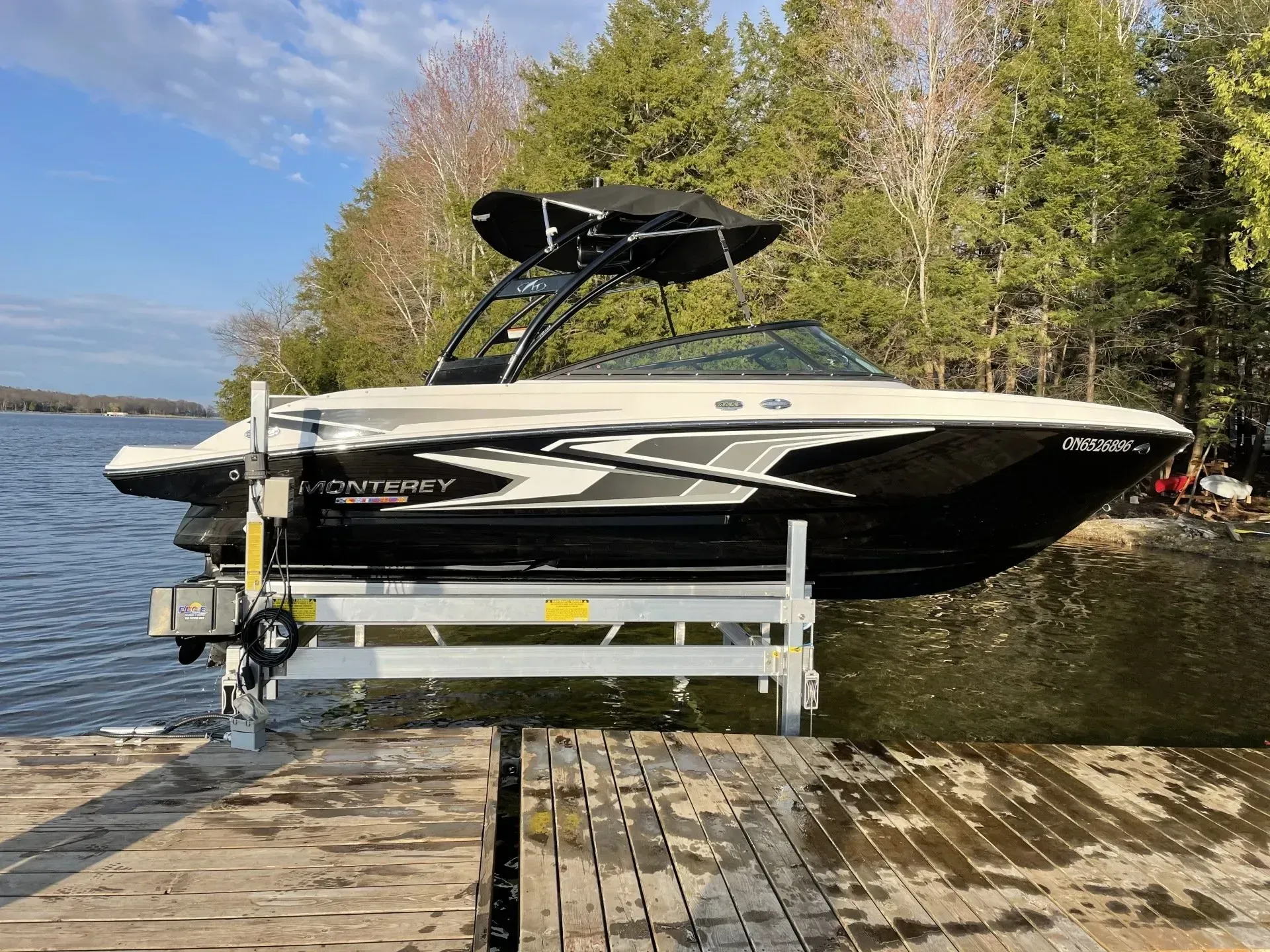
- Test lift motors and control systems before launch
- Running motors and controls at low load allows electrical or mechanical issues to be identified before boats are involved.
- Inspect cables, pulleys, and moving parts for wear
- Components exposed to moisture and freeze-thaw cycles degrade over time. Early inspection helps ensure lift systems operate smoothly and safely once boats are back in the water.
How People Move on the Dock Matters
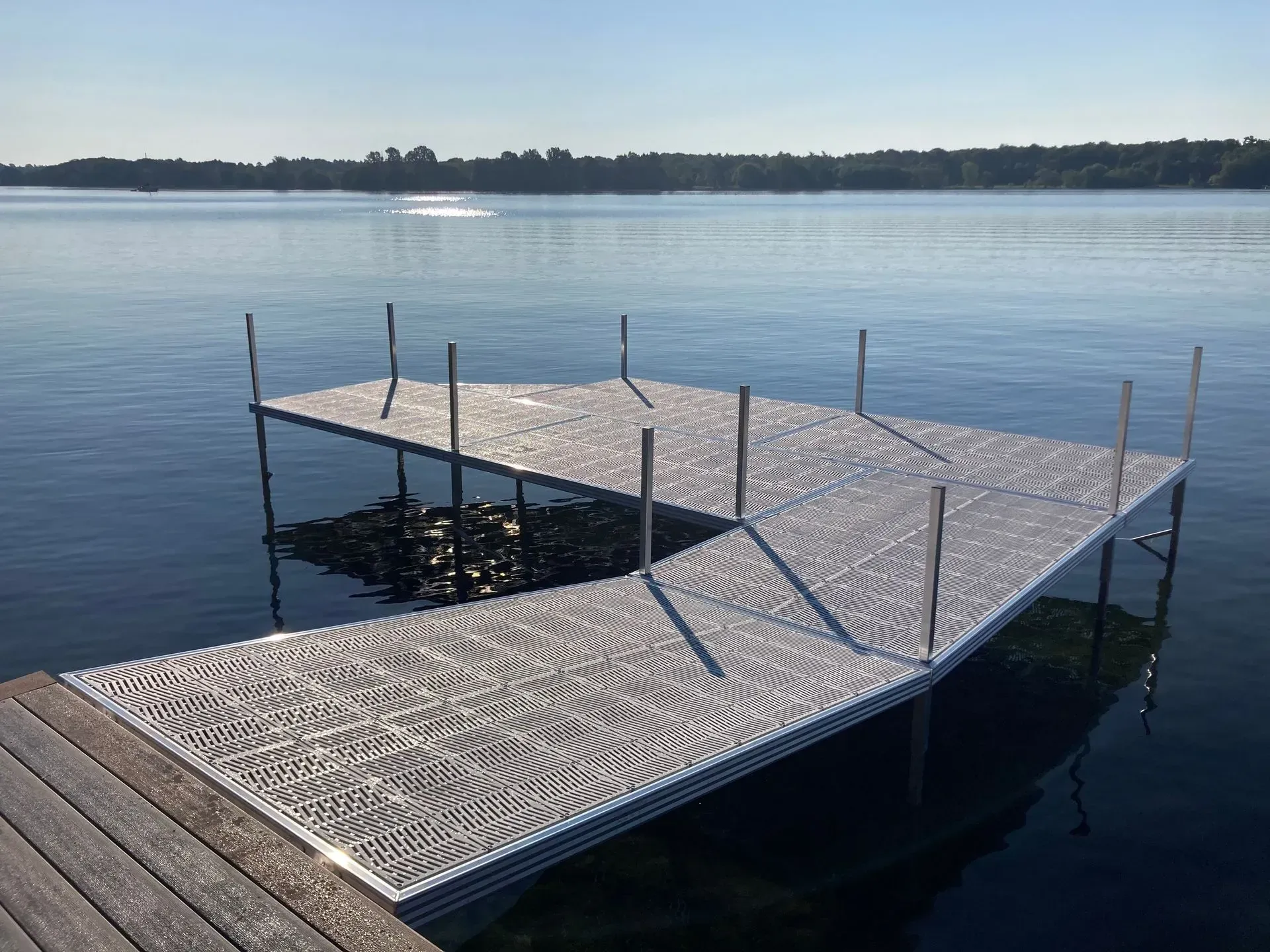
Daily use patterns matter more than ideal layouts. Seating, staging areas, and open walkways should reflect how people move between shore, boat, and swim areas throughout the season.
Benches or corner seating can improve usability without obstructing pathways, while keeping traffic flow clear reduces wear on dock components and minimizes trip hazards. Overcrowding a dock with accessories often creates more problems than it solves.
Planning accessories alongside spacing and orientation ensures they complement the dock rather than compete with it.
Making Accessories Work with Lift Systems
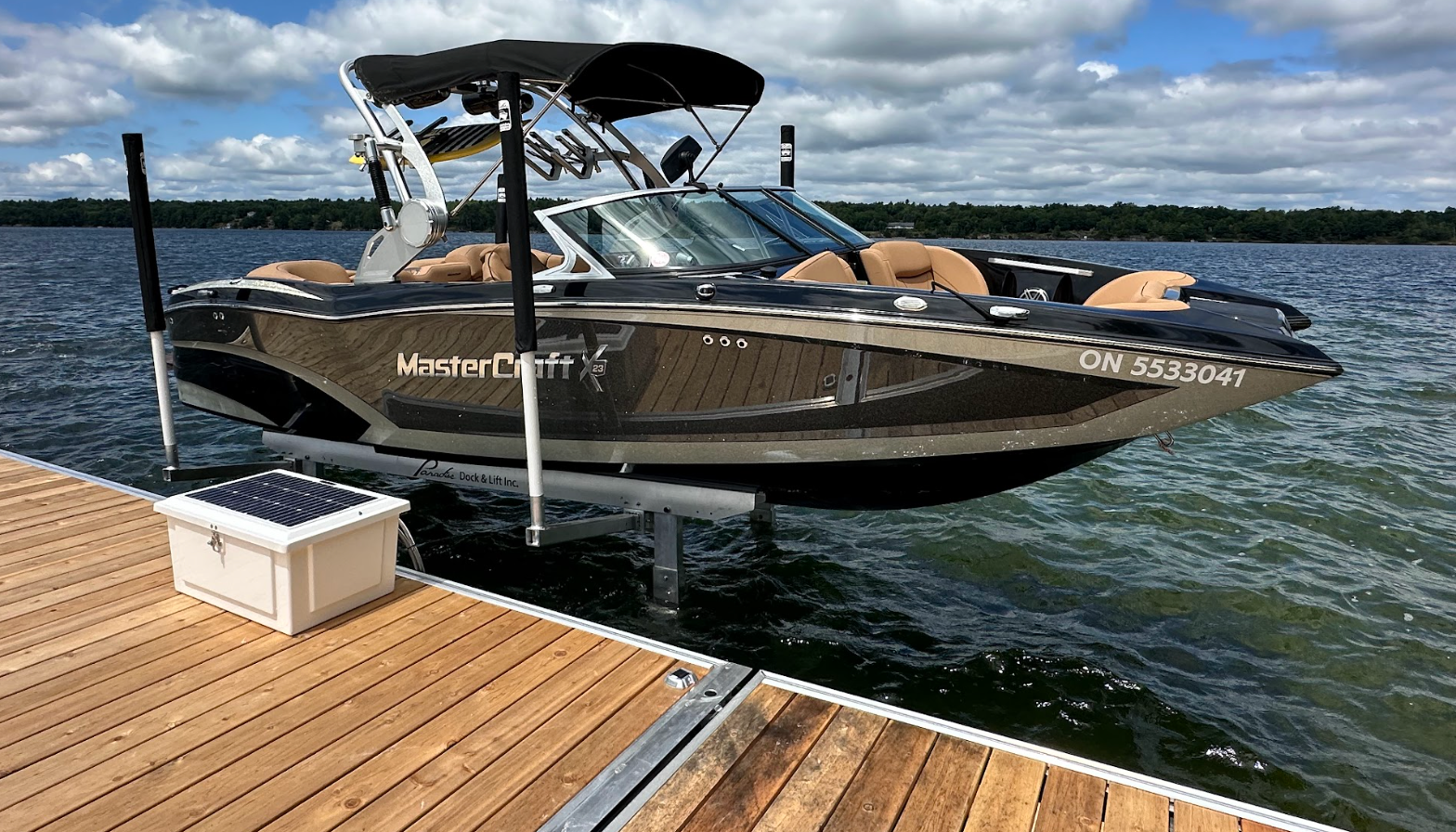
Dock accessories should never interfere with lift operation. Clearance, movement paths, and attachment points need to be considered together before anything is installed.
Ladders, cleats, and seating should be positioned so they don’t restrict lift travel or vessel positioning. Planning accessories alongside lift systems avoids conflicts that are difficult to correct once docks are fully assembled.
Safety Expectations and Regulations
Some accessories support safety directly, while others help ensure dock areas remain clear and hazard-free. Canadian regulations outline required safety equipment for pleasure craft, and dock areas should be arranged to support compliance and safe movement.
Reviewing applicable safety rules helps ensure accessories don’t create obstructions or risks near boarding areas or navigation paths.
Broader recreational boating safety guidance from Transport Canada also reinforces the importance of visibility, spacing, and clear access around docks, especially during busy seasons.
Timing Makes a Difference
Ordering accessories before installation windows open reduces the risk of supply delays and last-minute substitutions. Coordinating accessory installation with dock setup also ensures proper placement from the start and avoids duplicated labour later. Early planning allows docks to return to the water fully functional from day one.
Dock accessories are part of how a waterfront functions, not an afterthought. Planning them before spring installation allows safety, visibility, and daily use to come together smoothly once the season begins.