
Dock Insurance and Liability on Big Rideau Lake: What Cottage Owners Overlook
A dock is often treated as an accessory to the cottage. From an insurance perspective, it is part of the property’s risk profile.
On Big Rideau Lake, where water traffic, wind exposure, and seasonal visitors are common, dock-related liability deserves closer attention. Many waterfront owners assume their standard home policy automatically covers all dock-related incidents. That assumption can create gaps.
How Docks Fit Into Home Insurance Coverage
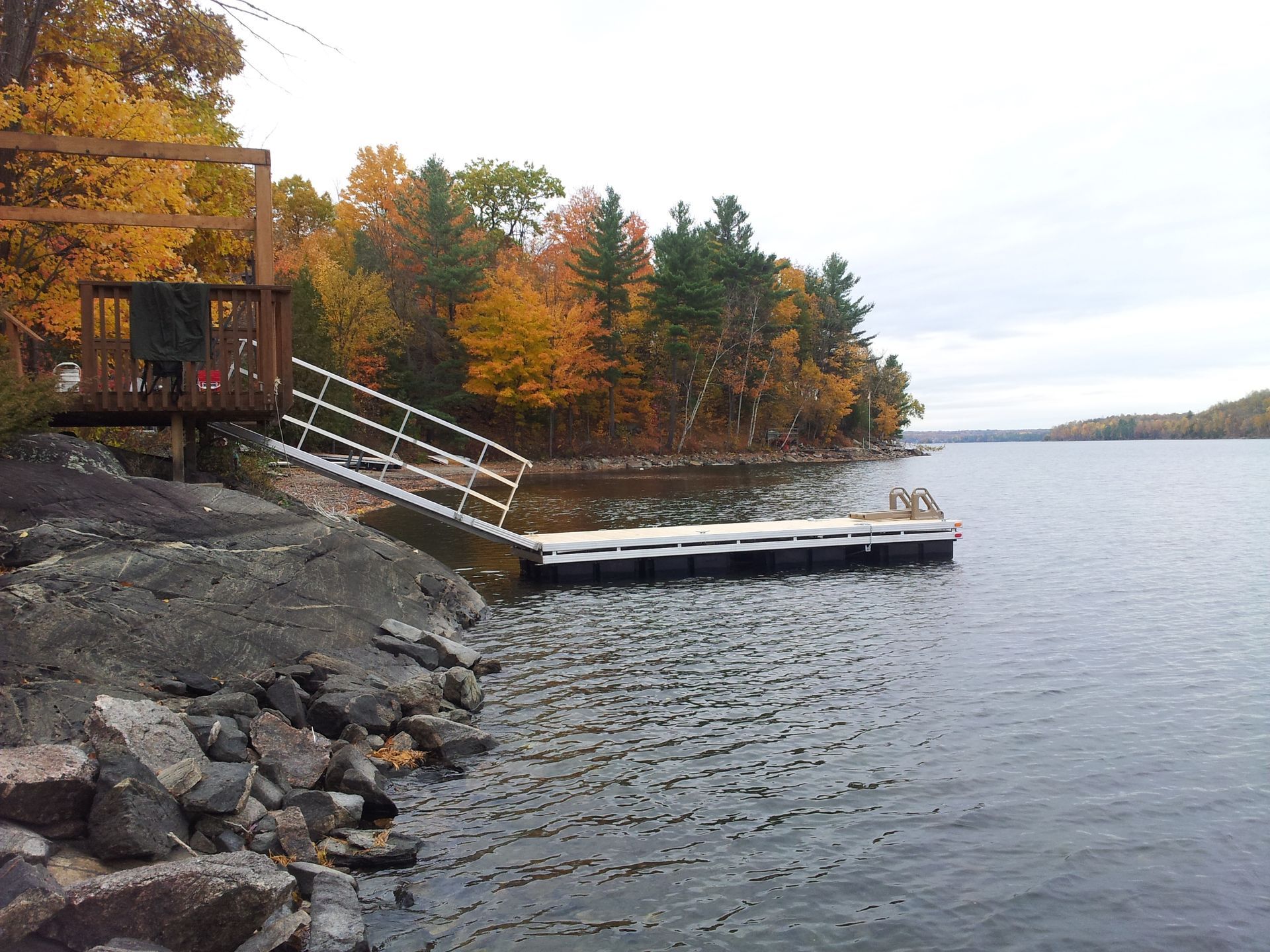
In Ontario, docks are typically considered detached structures. Coverage limits vary depending on policy type, structure classification, and how the dock is used.
General information on home insurance structure and coverage categories is available through the Government of Canada.
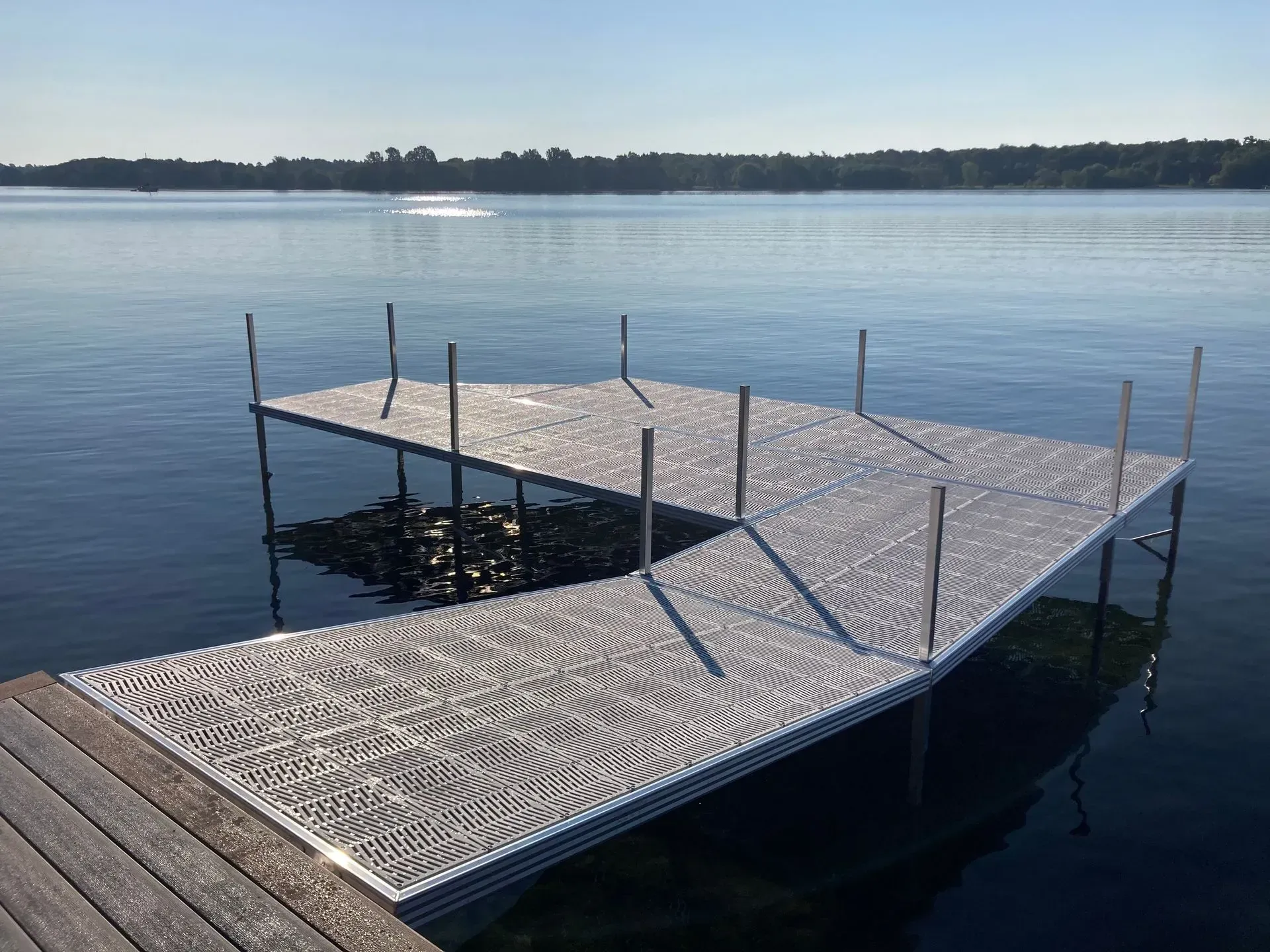
Some policies distinguish between permanent and seasonal structures. Others limit coverage for floating components or removable systems. Lift systems, electrical installations, and lighting may be categorized differently from the dock frame itself.
Reviewing how the structure is defined in the policy matters.
Liability Exposure on an Active Waterway
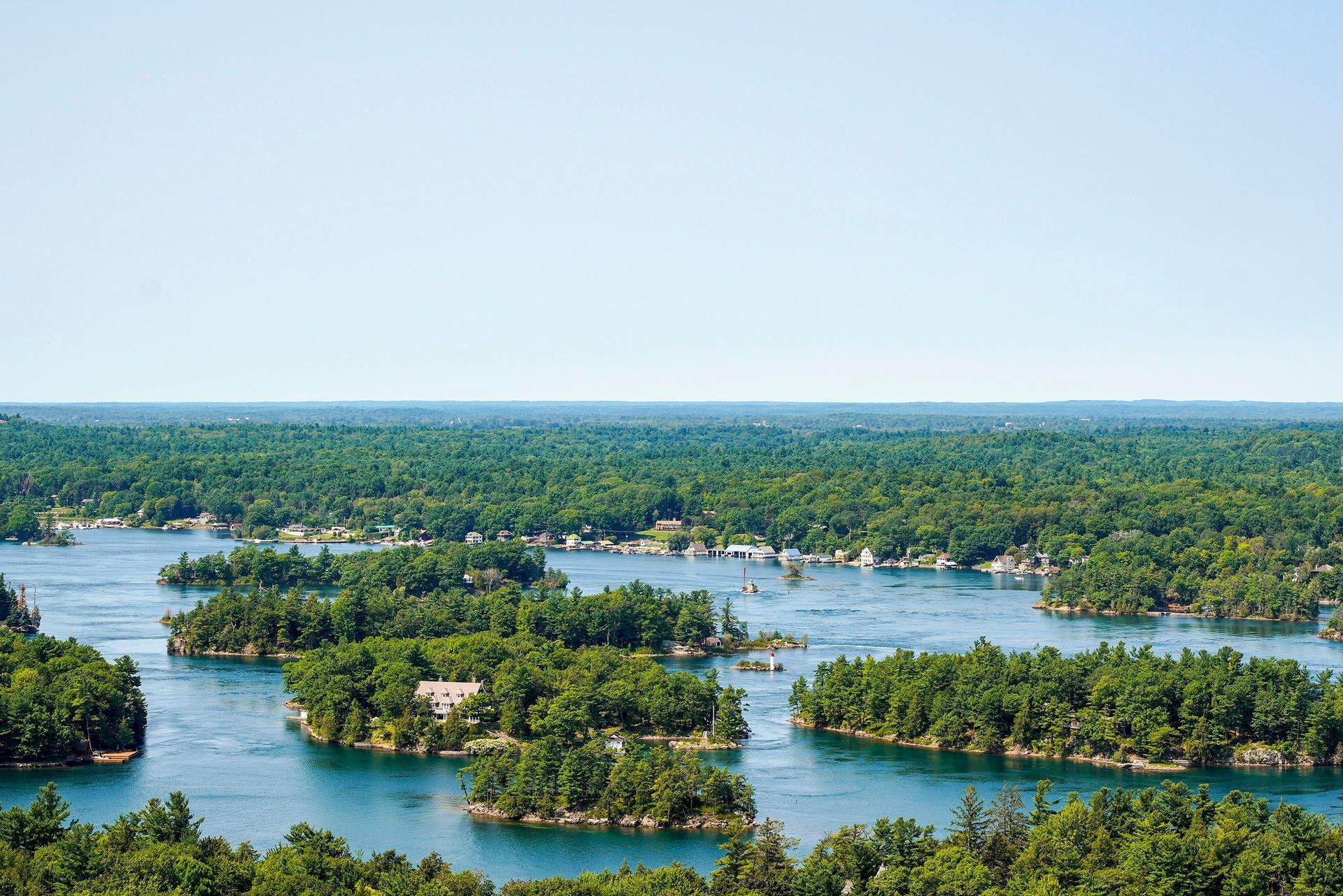
Big Rideau Lake is part of the Rideau Canal system and supports regular recreational boating traffic. Increased activity increases interaction risk.
Guest injuries, slip-and-fall incidents, and boat impact damage are common liability scenarios. Lighting deficiencies, improper placement, and insufficient clearance can all contribute to exposure.
Because Big Rideau is a federally managed navigable waterway, general navigation context is overseen through Parks Canada.
Obstructions extending into shared boating corridors can increase both regulatory and liability concerns.
Lift Systems and Mechanical Risk
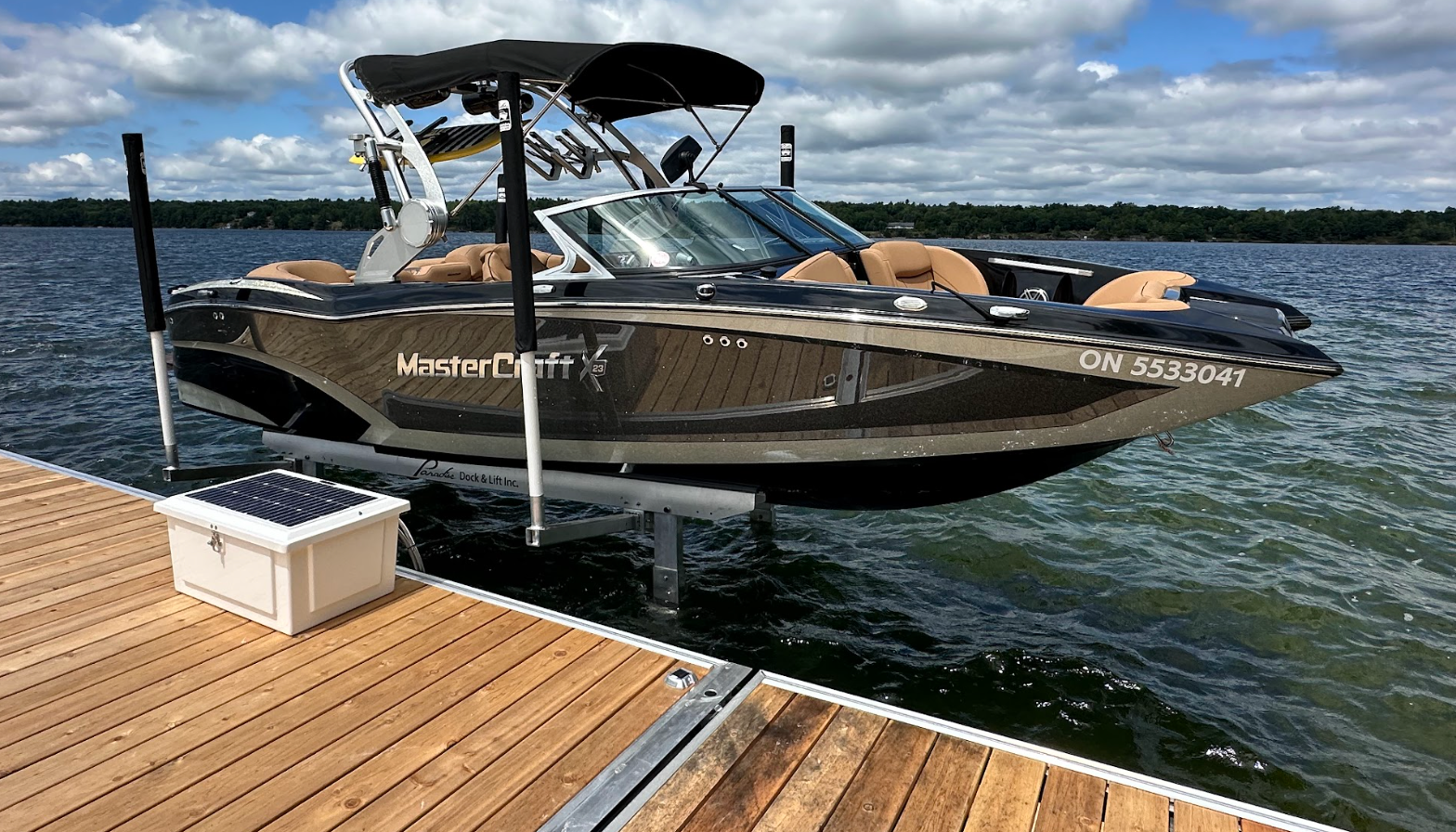
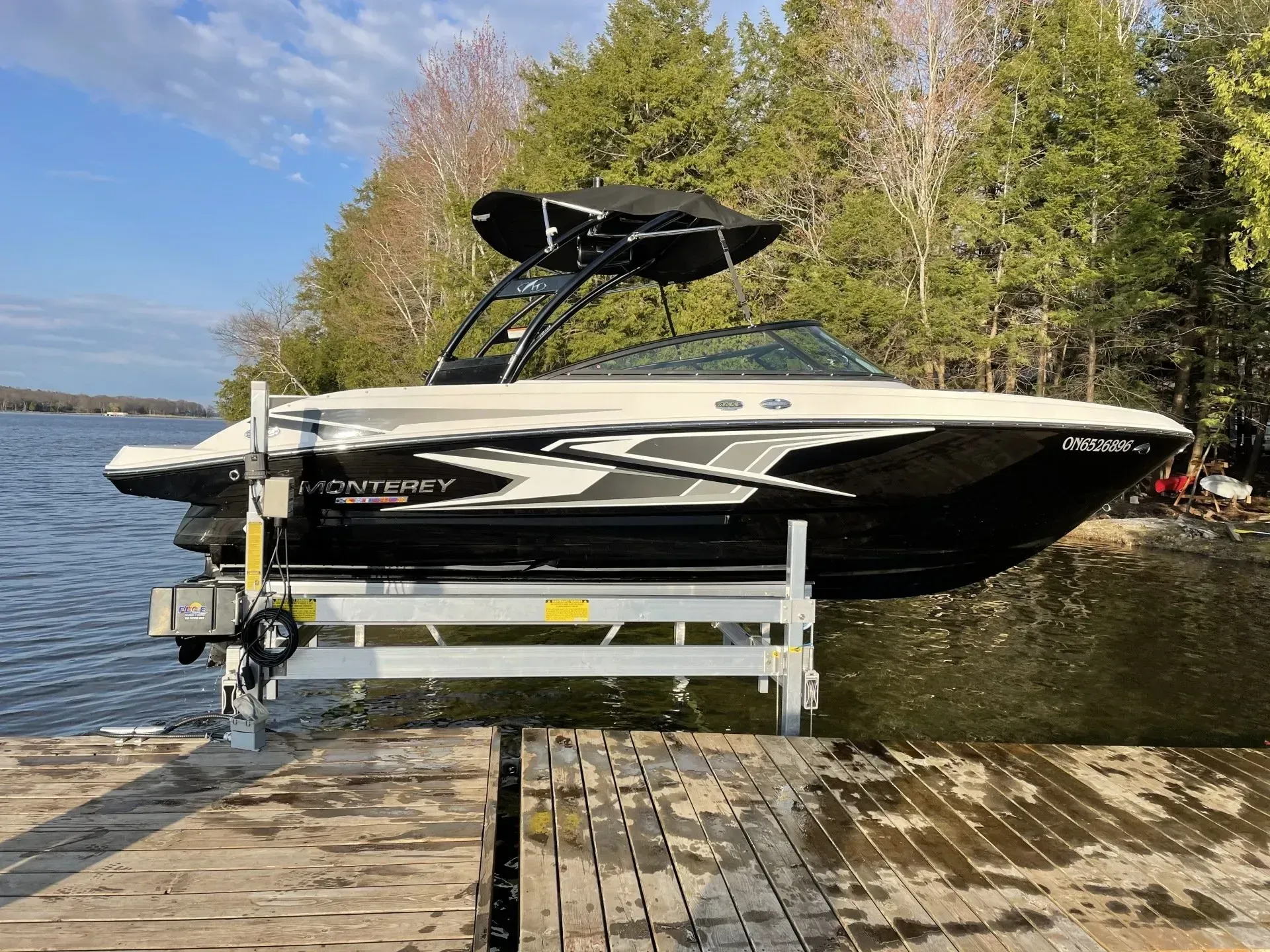
Boat lifts introduce additional mechanical considerations. Weight capacity, alignment, and secure positioning affect not only equipment longevity but also risk.
Underspecified lift systems or improper placement can create tipping hazards or structural stress under load.
When lift capacity does not match vessel weight, structural failure risk increases. From an insurance standpoint, negligence tied to improper installation or capacity miscalculation may complicate claims.
Lighting, Visibility, and Guest Safety
Evening visibility matters on Big Rideau, where cottages are frequently used for entertaining and multi-generational gatherings.
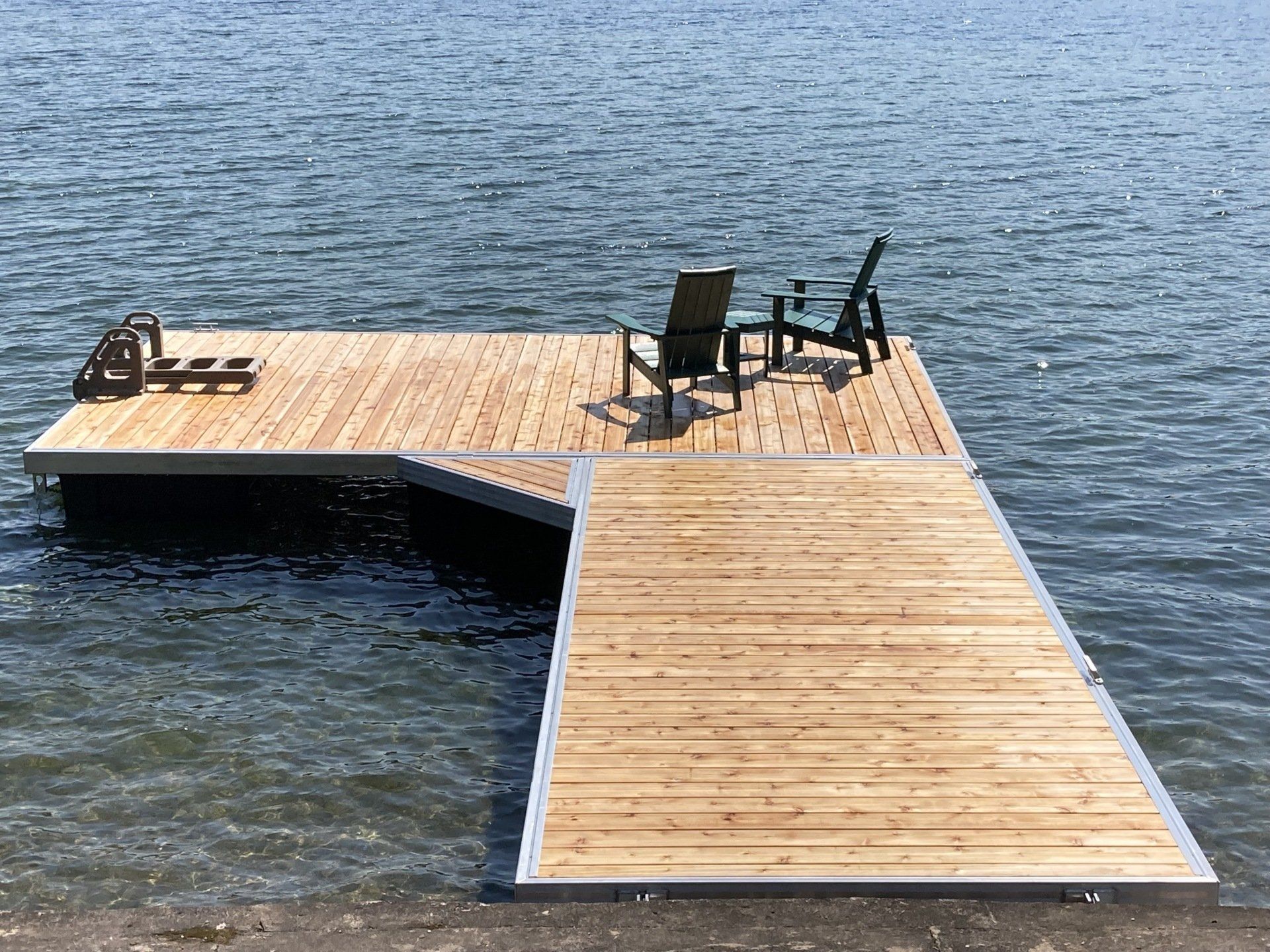
Low-profile lighting along transitions, re-entry points, and access ramps reduces fall risk. Access ladders and edge protection should be positioned to prevent congestion or awkward movement patterns.
Planning accessories alongside traffic flow helps reduce exposure.
Insurance providers assess preventable hazards differently than unavoidable environmental factors. Proper placement and visibility demonstrate reasonable care.
Regulatory Context and Compliance
Failure to obtain required approvals or comply with shoreline guidelines can affect insurance outcomes. If a dock is installed outside permitted dimensions or without required authorization, coverage disputes can arise following a loss.
Financial services oversight in Ontario is regulated by the Financial Services Regulatory Authority of Ontario.
Understanding how insurers assess property risk, compliance, and liability strengthens long-term protection.
The Overlooked Risk: Informal Use
Many incidents occur during informal use: swimming gatherings, boat tie-ups, children jumping from corners not designed for re-entry.
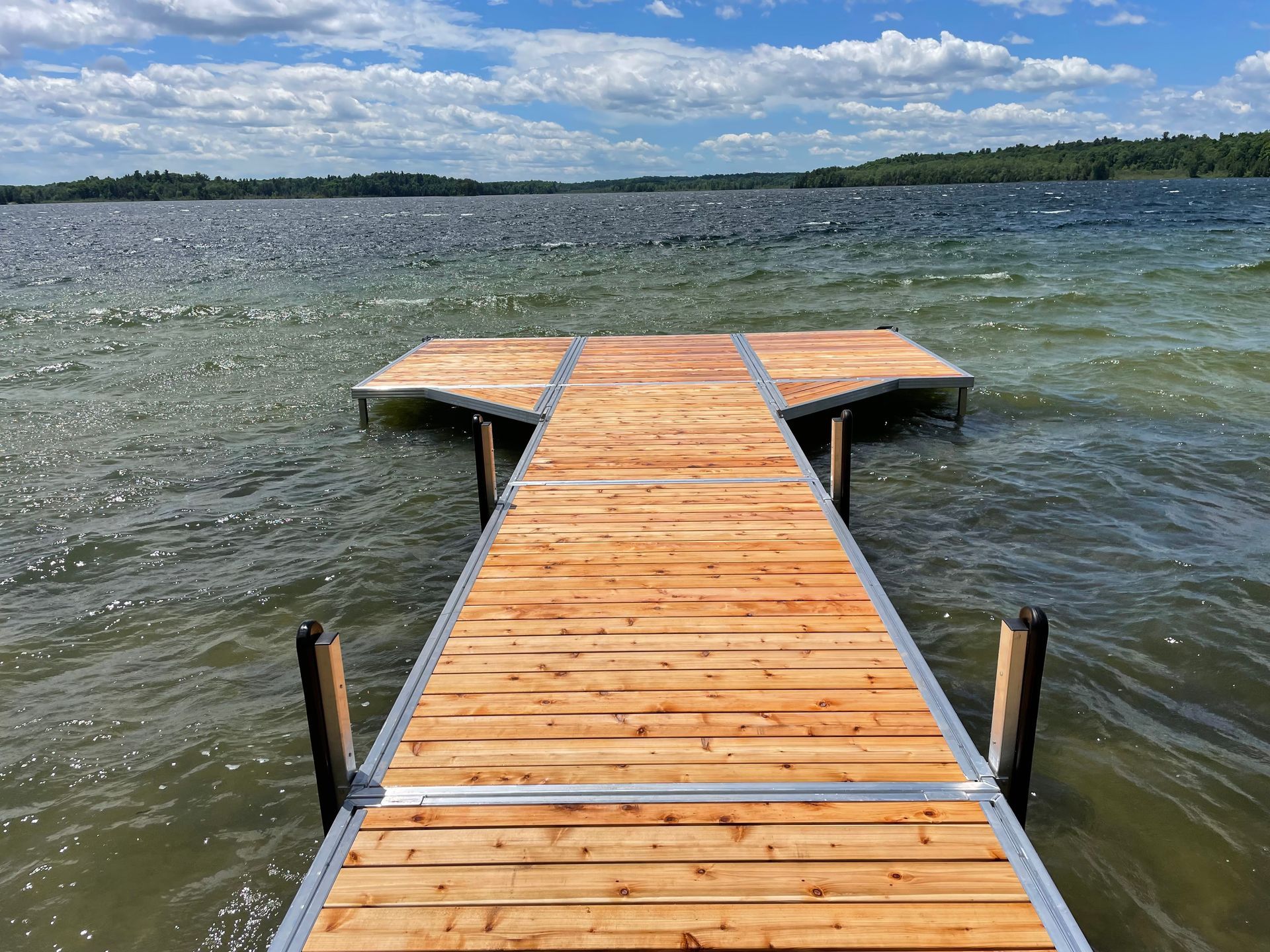
Dock placement that ignores wind exposure, wave rebound, or wake interaction can increase instability.
Design decisions affect not only performance, but exposure.
Risk Planning Before the Season Starts
Insurance conversations are most effective before peak season. Reviewing coverage classification, confirming structural limits, and documenting dock condition before launch provides clarity.
Big Rideau’s size, exposure, and traffic volume make it different from smaller inland lakes. Liability planning should reflect that reality.