
How Rideau Canal Water Level Management Impacts Dock Selection in 2026
Snowfall across Eastern Ontario this winter has been significant. For waterfront property owners on Big Rideau Lake and throughout the Rideau system, that matters.
The Rideau Canal is not a free-flowing natural lake chain. Water levels are actively managed. Spring runoff, snowpack volume, rainfall timing, and control dam operations all influence shoreline conditions. Dock selection that ignores water level behaviour often leads to mid-season adjustments, structural stress, or unnecessary maintenance.
Understanding how the system operates helps inform better dock decisions before installation begins.
A Managed System, Not a Static Lake
Big Rideau Lake is part of the federally operated Rideau Canal system. Parks Canada oversees the management of water levels to balance navigation, environmental protection, and flood control.
Information about the structure and management of the Rideau Canal system is available through Parks Canada.
Because water levels are regulated rather than purely seasonal, spring conditions are influenced not only by snowfall, but also by how flows are controlled across the broader watershed.
In heavy snow years, runoff volume increases. Controlled releases may temporarily influence lake elevation during peak melt periods.
Snowpack and Spring Runoff Matter
Large winter snow accumulation does not automatically guarantee extreme water levels, but it does increase the importance of monitoring watershed conditions.
Spring melt timing, rainfall events, and ground saturation all affect how much water ultimately enters the Rideau system. Conservation authorities track these variables throughout the season.
Regional watershed oversight and monitoring in Eastern Ontario are handled by the Rideau Valley Conservation Authority.
Reviewing watershed updates before installation allows property owners to anticipate whether spring levels may be above seasonal averages.
Monitoring Real-Time Water Levels
Beyond general forecasts, hydrometric data provides real-time information on water levels across monitored stations.
The Water Survey of Canada maintains a federal portal that provides up-to-date water level data across Ontario and the Rideau region.
In years with elevated snowpack, reviewing current level trends before setting dock heights or lift placement can reduce the need for mid-season adjustment.
How Water Level Variability Affects Dock Systems
Different dock systems respond differently to vertical water movement.
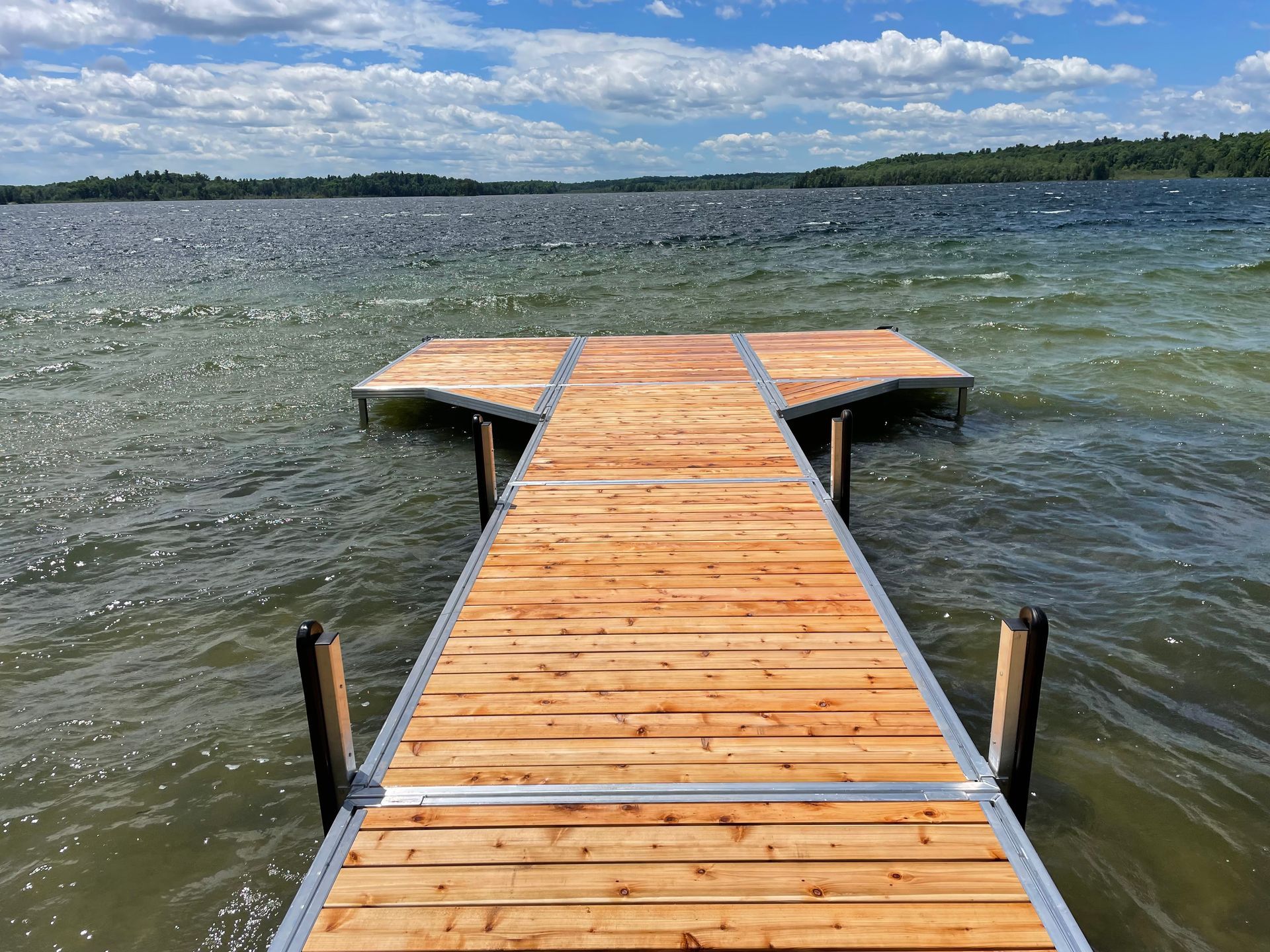
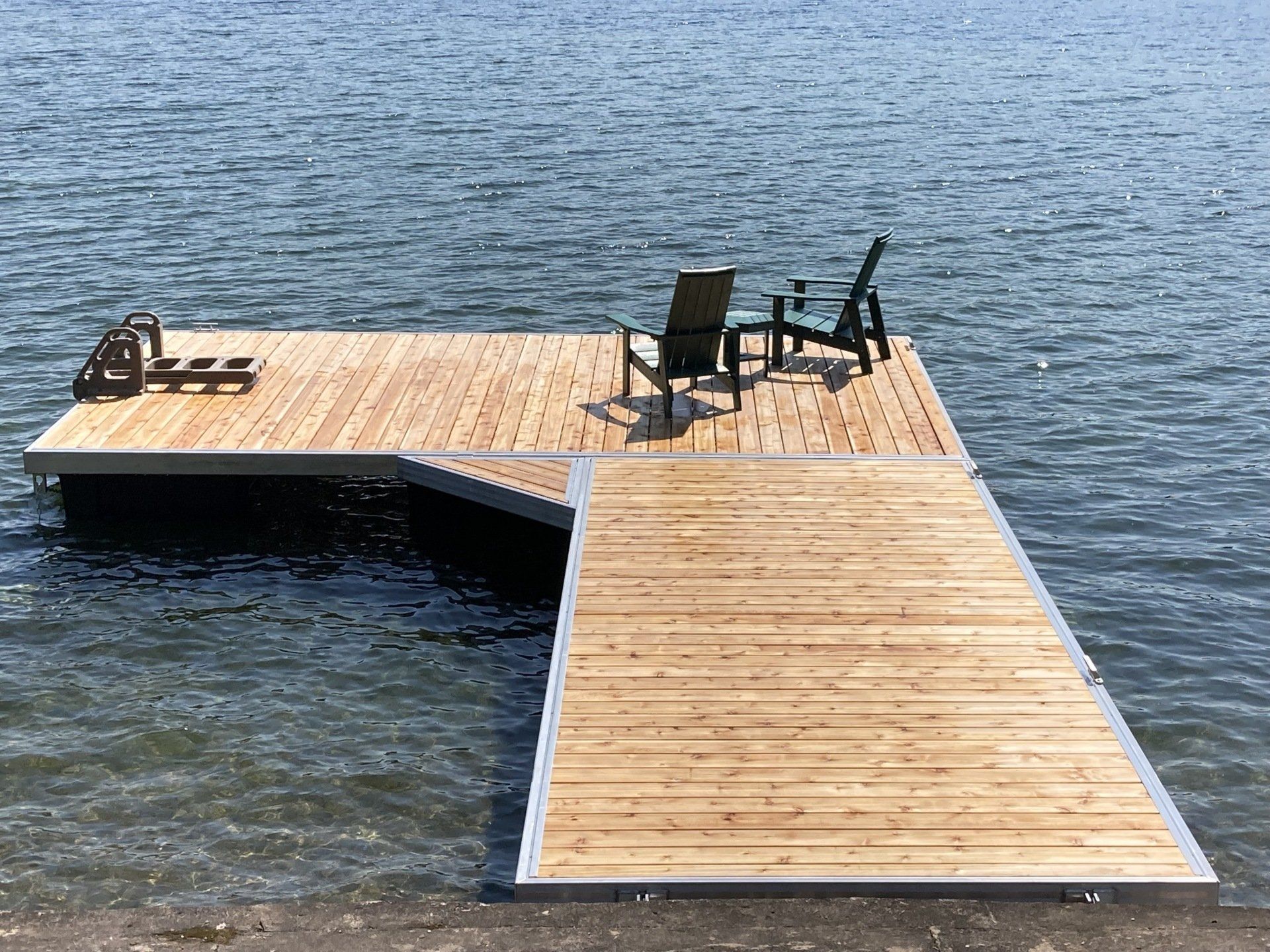
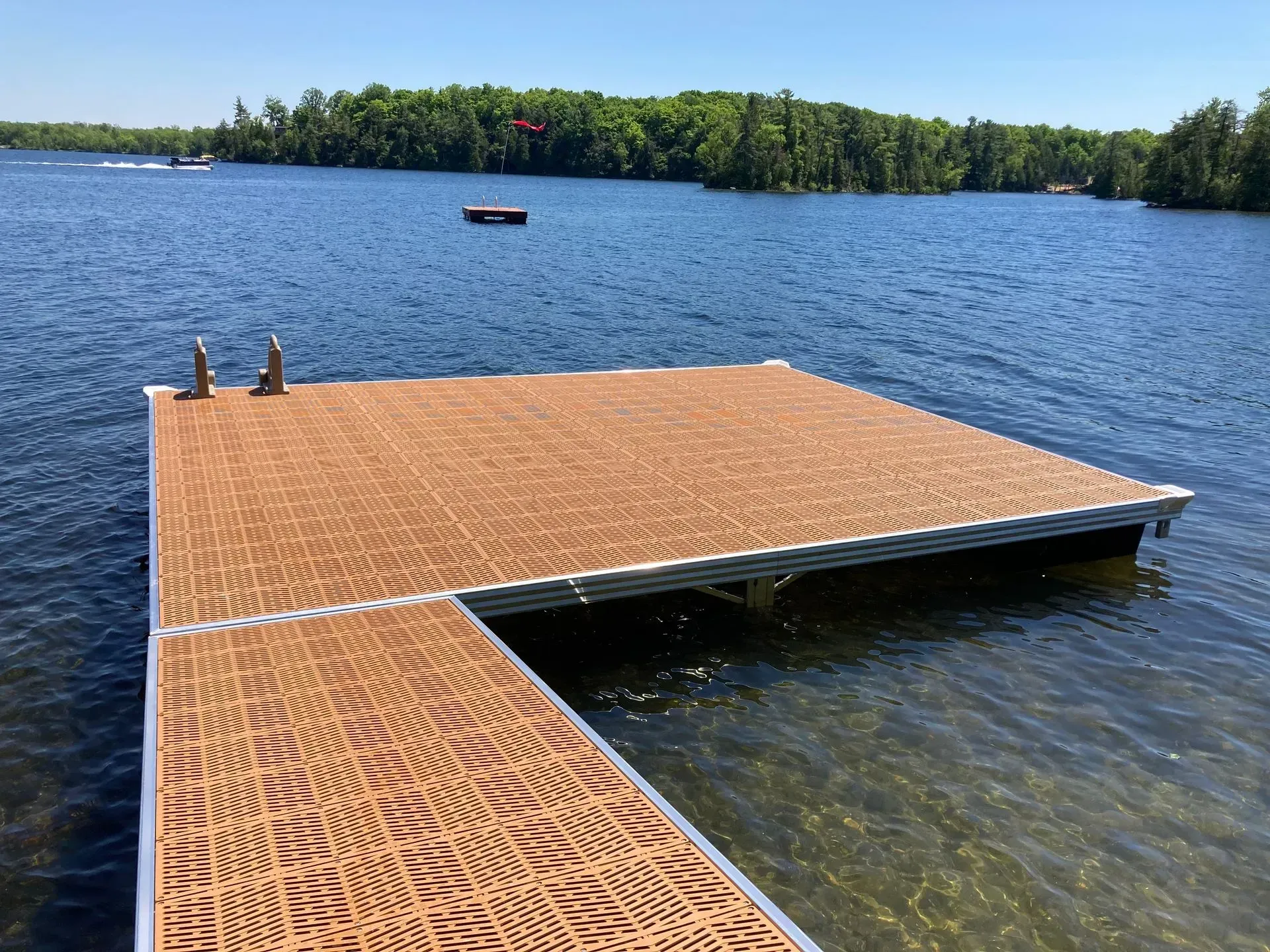
Floating docks rise and fall naturally with changing lake levels. In areas where seasonal fluctuation is expected, this flexibility can reduce stress at shoreline connection points.
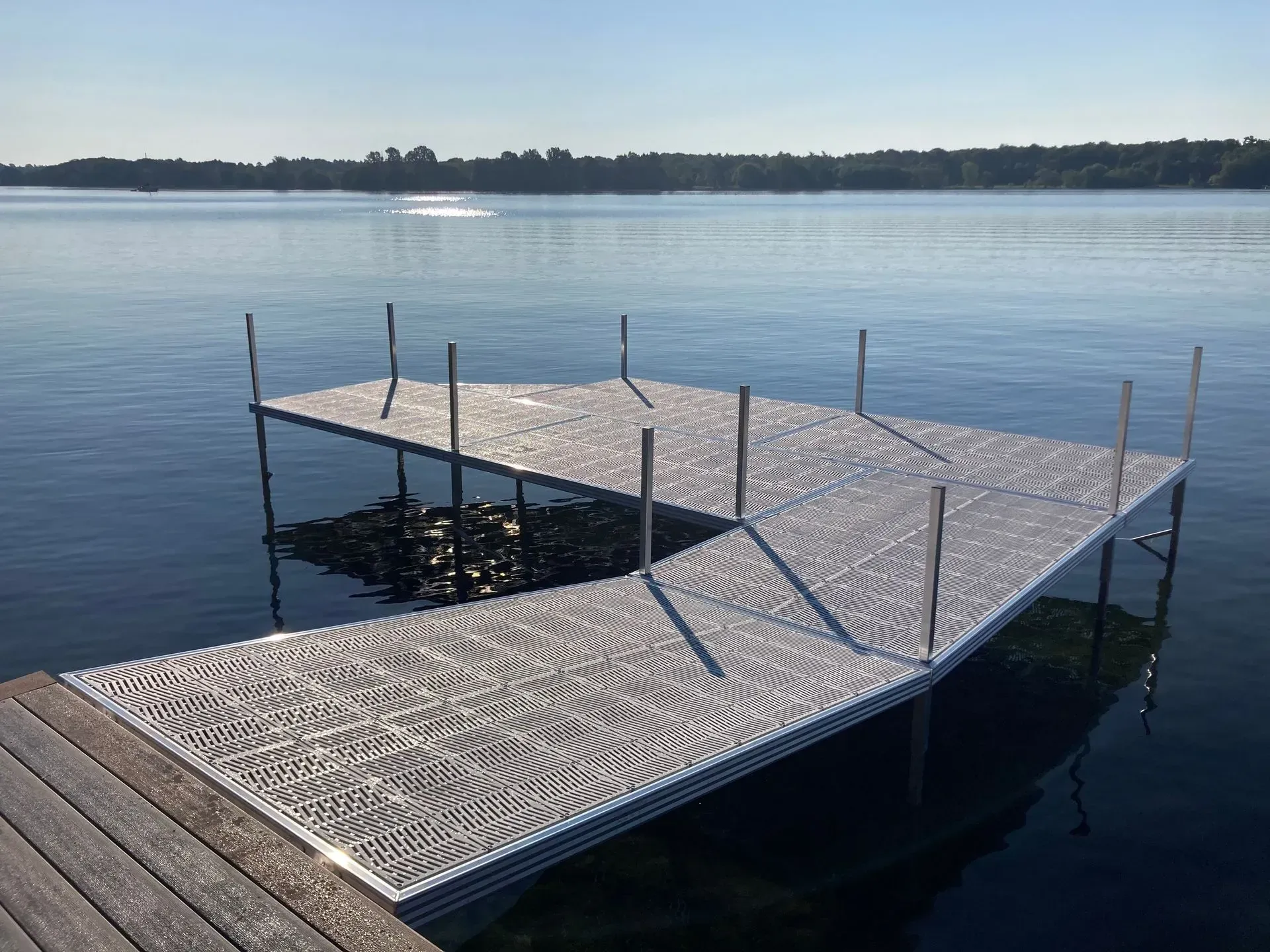
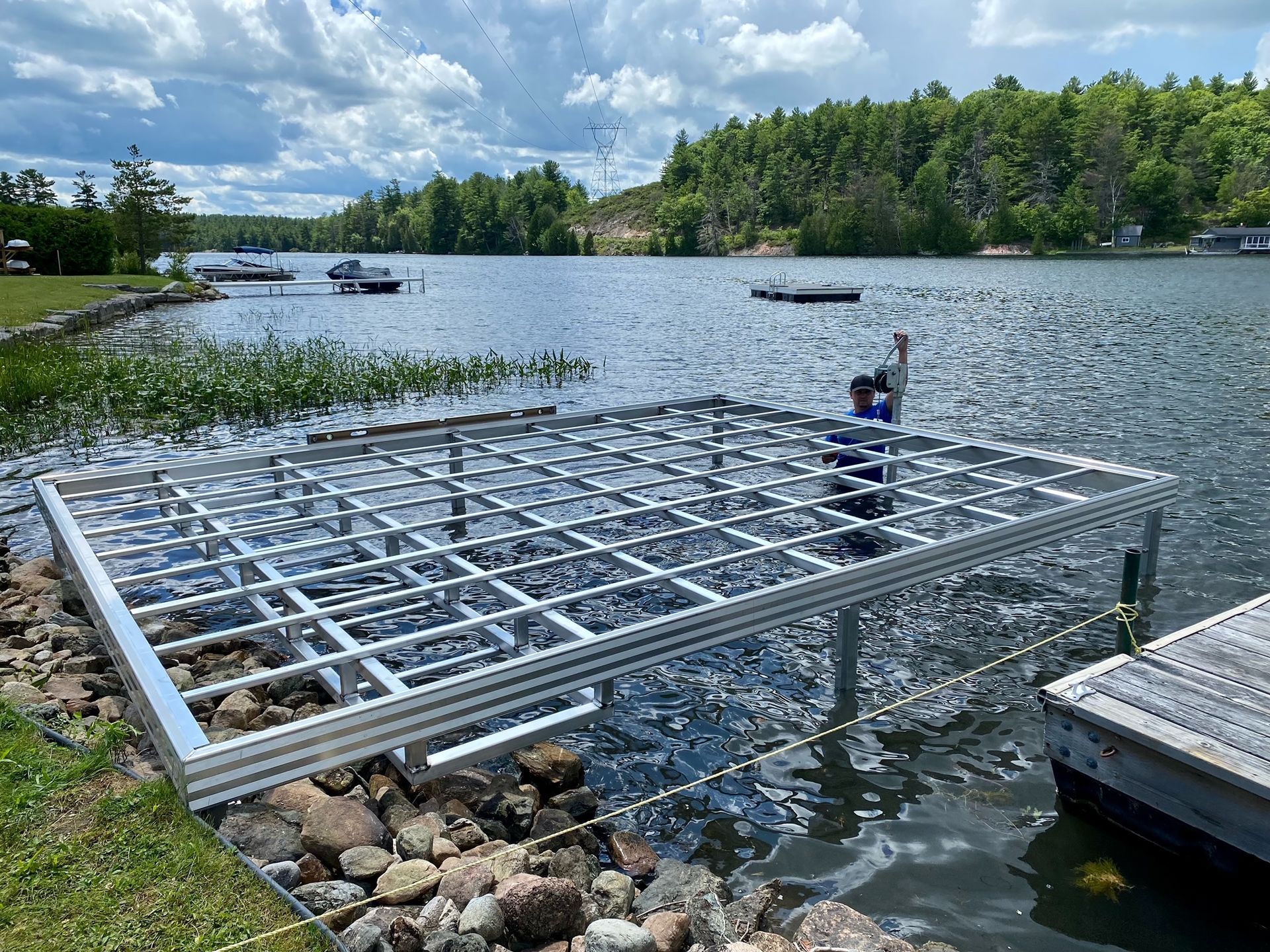
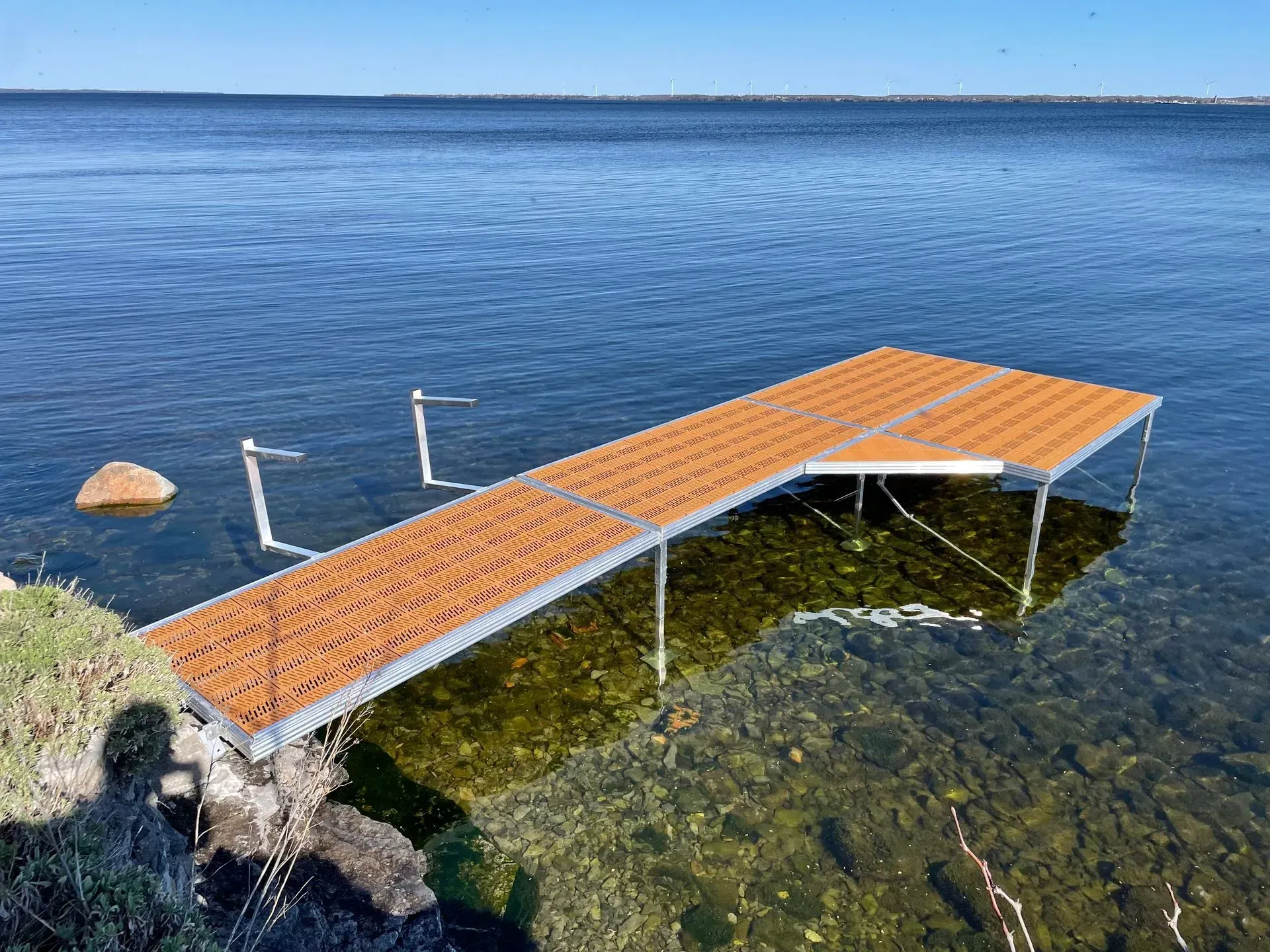
Pole docks rely on stable post anchoring. If spring water levels rise significantly beyond seasonal norms, additional adjustment may be required once levels stabilize later in the season.
Dock orientation and connection design should be evaluated in light of expected variability rather than fixed seasonal assumptions.
Installation Timing in High-Water Years
High spring water can temporarily submerge shallow shoreline transitions. Gangways, access stairs, and first-deck sections may need to account for early-season elevation before normalization occurs.
Waiting until peak runoff has passed can improve long-term alignment and reduce strain on structural components.
Seasonal removal planning also becomes more important in managed systems where freeze-thaw cycles and drawdown are predictable.
Integrating Boat Lifts in a Managed Waterway
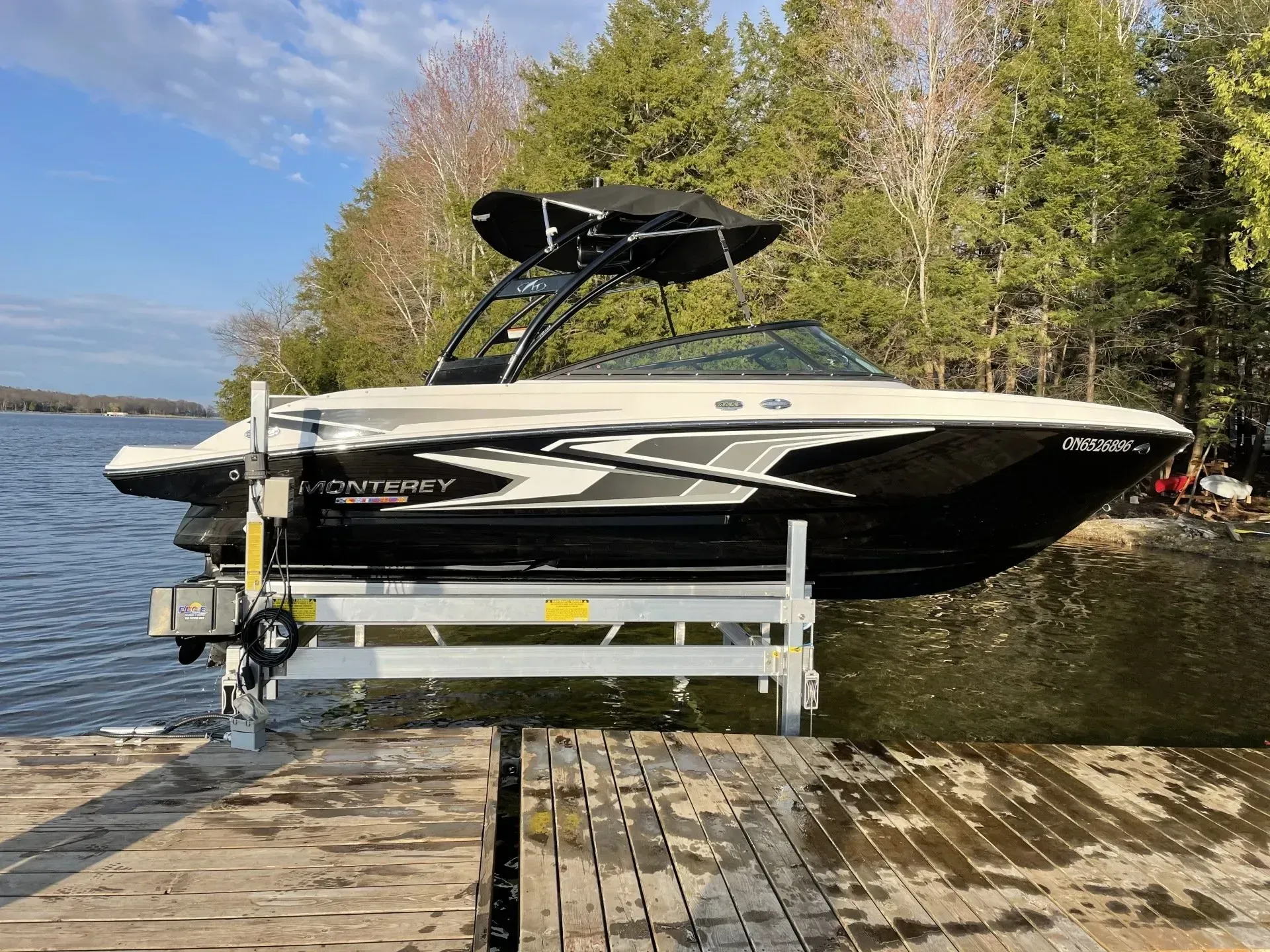
Boat lift positioning depends on both water depth and fluctuation range. On Big Rideau Lake, anticipating seasonal rise and drawdown improves long-term lift performance.
Lift systems placed without accounting for water variability may require repositioning once levels normalize.
Selecting dock and lift systems together ensures compatibility under fluctuating conditions.
Planning for 2026
Above-average snowfall increases the importance of monitoring conditions before installation, but it does not eliminate the need for structured planning.
Reviewing Parks Canada water management oversight, tracking watershed conditions, and consulting real-time hydrometric data helps ensure dock selection reflects how the Rideau system actually behaves.
Dock systems that account for variability tend to perform more reliably over time.