

Planning Your 2026 Waterfront Season: A Pre-Spring Prep Roadmap
February is the planning phase for waterfront property owners. While ice conditions are still present, decisions made now directly affect how smoothly docks, lifts, and shoreline access come together once spring arrives.
A clear pre-spring roadmap helps prevent rushed installs, scheduling conflicts, and avoidable issues when water levels rise.
Early Planning Tasks (Late Winter)
- Review typical ice-out timing and spring water levels
- Seasonal thaw patterns vary year to year. Understanding local conditions helps guide dock placement and installation timing, especially on lakes with fluctuating levels.
- Book dock and lift installation windows early
- Installation schedules fill quickly once temperatures rise. Securing timing ahead of spring reduces delays and compromises later in the season.
- Inventory stored dock and lift components
- Decking, ladders, cleats, bumpers, and connection hardware should be inspected while still in storage. Damage caused by moisture, ice, or improper end-of-season storage is easier to address now than during installation.
Equipment Readiness
- Test lift motors and control systems before launch
- Running motors and controls at low load allows electrical or mechanical issues to be identified before boats are involved.
- Inspect cables, pulleys, and moving parts for wear
- Components exposed to moisture and freeze-thaw cycles degrade over time. Early inspection helps ensure lift systems operate smoothly and safely once boats are back in the water.
Permits, Regulations & Safety Preparation
- Confirm whether shoreline work requires approval
- In Ontario, shoreline and waterfront work may require permits issued by local Conservation Authorities under the Conservation Authorities Act. Reviewing requirements early helps avoid delays once installation begins.
- Review boating safety equipment requirements
- Before the season begins, confirm that personal flotation devices, sound-signalling equipment, and other required gear meet current Canadian regulations.
- Refresh awareness of Ontario boating rules and speed restrictions
- Understanding no-wake zones and shoreline speed limits helps protect docks, swimmers, and neighbouring properties from unnecessary risk or damage.
Dock & Shoreline Considerations
- Assess shoreline access after winter conditions
- Spring melt can change grades and entry points. Watch for erosion, shifting stone, or soft ground that could affect dock stability or safe access.
- Confirm hardware and anchoring match the planned layout
- Cleats, bumpers, anchoring systems, and connectors should align with dock orientation and spacing, especially if the layout is being adjusted or expanded from previous seasons.
Boat & Accessory Preparation
- Inspect boats and PWCs after winter storage
- Hull condition, fuel systems, electrical components, and safety equipment should be checked before launch to avoid early-season breakdowns.
- Plan dock accessories ahead of installation
- Swim ladders, lighting, benches, and bumpers should be selected and ordered before crews arrive. Spring lead times increase quickly once demand rises.
Creating a Simple Pre-Spring Timeline
A clear timeline keeps preparation manageable:
- Late February: permit review, contractor scheduling, equipment inspection
- Early March: hardware replacement orders, accessory planning
- Late March: mechanical testing, shoreline assessment
- April: installation and final system checks
Preparing Household Members & Guests
- Review safe dock and boat use expectations
- Clear guidance on boarding, re-entry points, and equipment locations supports safer use throughout the season.
- Reinforce shared-waterway awareness
- Speed control, wake management, and respectful spacing help maintain safe, functional waterfront environments for everyone.
Pre-spring planning sets the tone for the entire waterfront season. Addressing equipment readiness, regulatory requirements, and shoreline conditions early creates a smoother transition into spring and reduces avoidable disruptions once the water opens.

Wind, boat wakes, current and shifting water levels make big-water docks different. Here is how to plan a dock for the Thousand Islands and Lake Ontario.

Every fall, Parks Canada lowers water levels across the Rideau Lakes. Learn how the drawdown affects your dock, your boat lift and your spring plans.
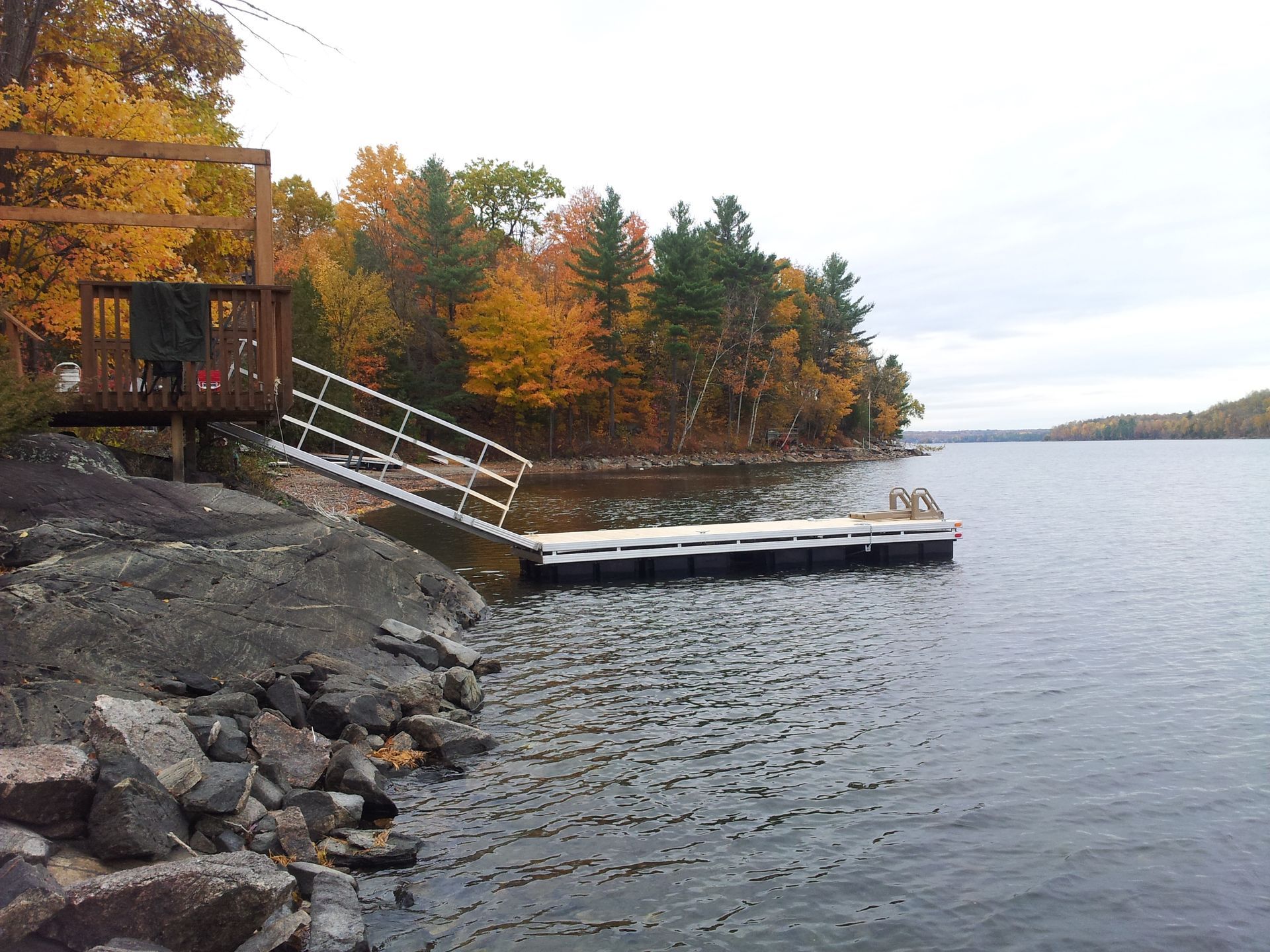
Inspect your dock before winter arrives. Learn seven problems to check this fall, from loose hardware and damaged decking to flotation and stability issues.
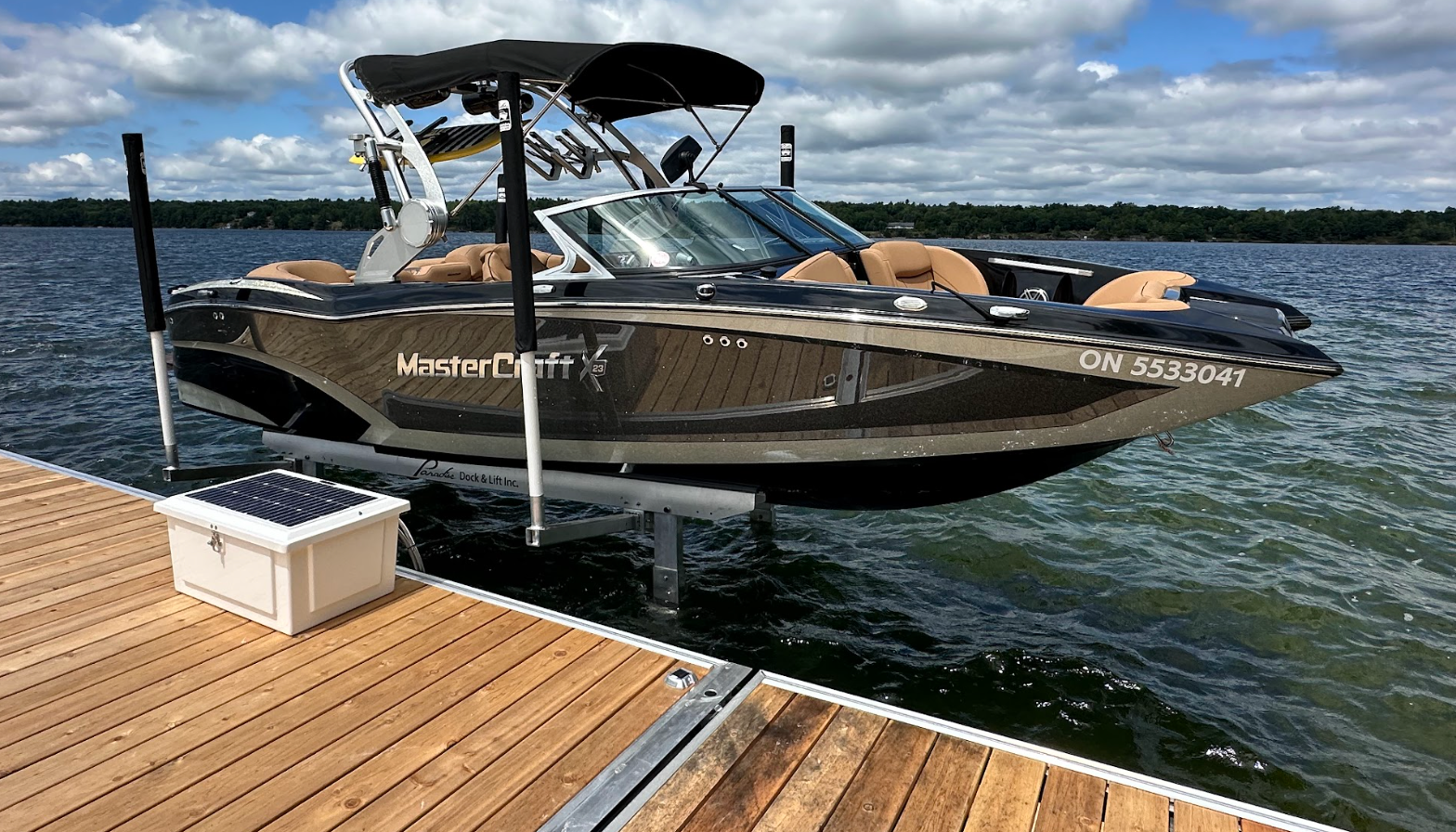
When should you take your boat out in Ontario? Learn how fall weather, cold water, freezing temperatures and waterfront conditions affect haul-out timing.

Buying an Ontario waterfront property? Check the dock, shoreline, permits, boat access and future needs before making your waterfront investment.
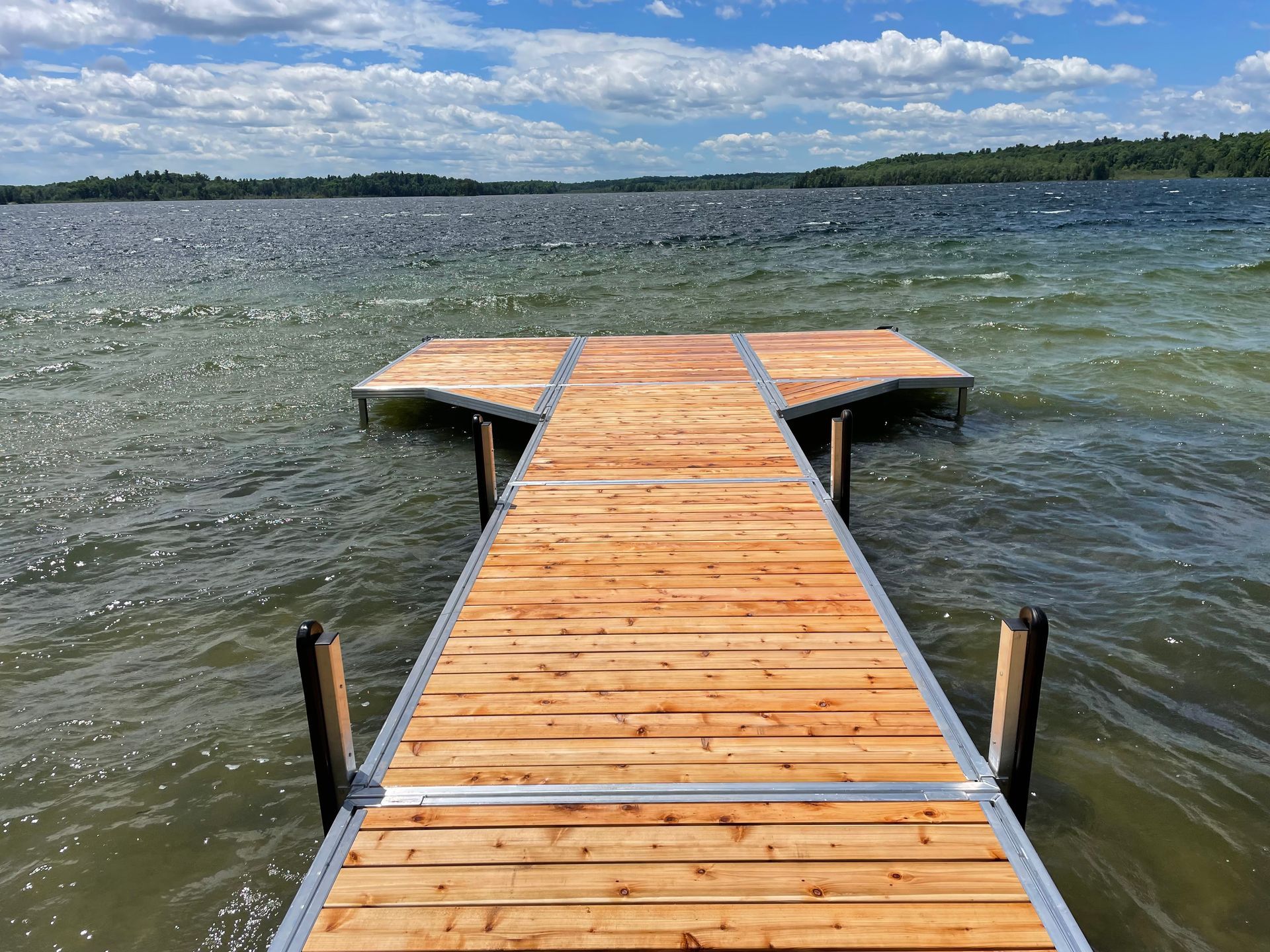
Learn what determines dock weight capacity, including flotation, size, condition and load distribution, and how to plan a safer waterfront dock.

Learn the most common reasons a dock begins sinking and when repairs or replacement may be the right solution for your waterfront.
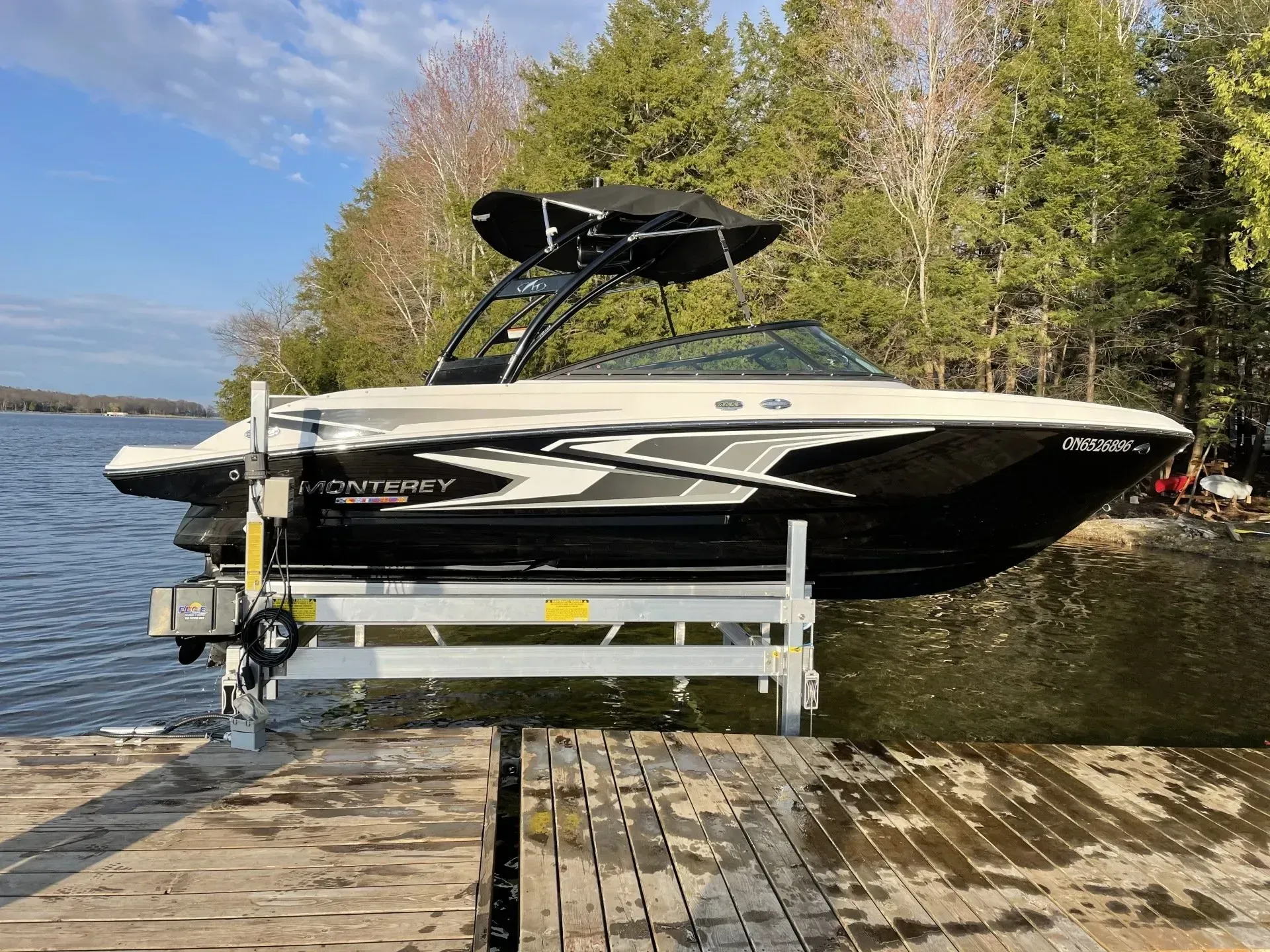
Learn how to choose the right boat lift by considering your boat, shoreline, water conditions, and long-term boating needs.
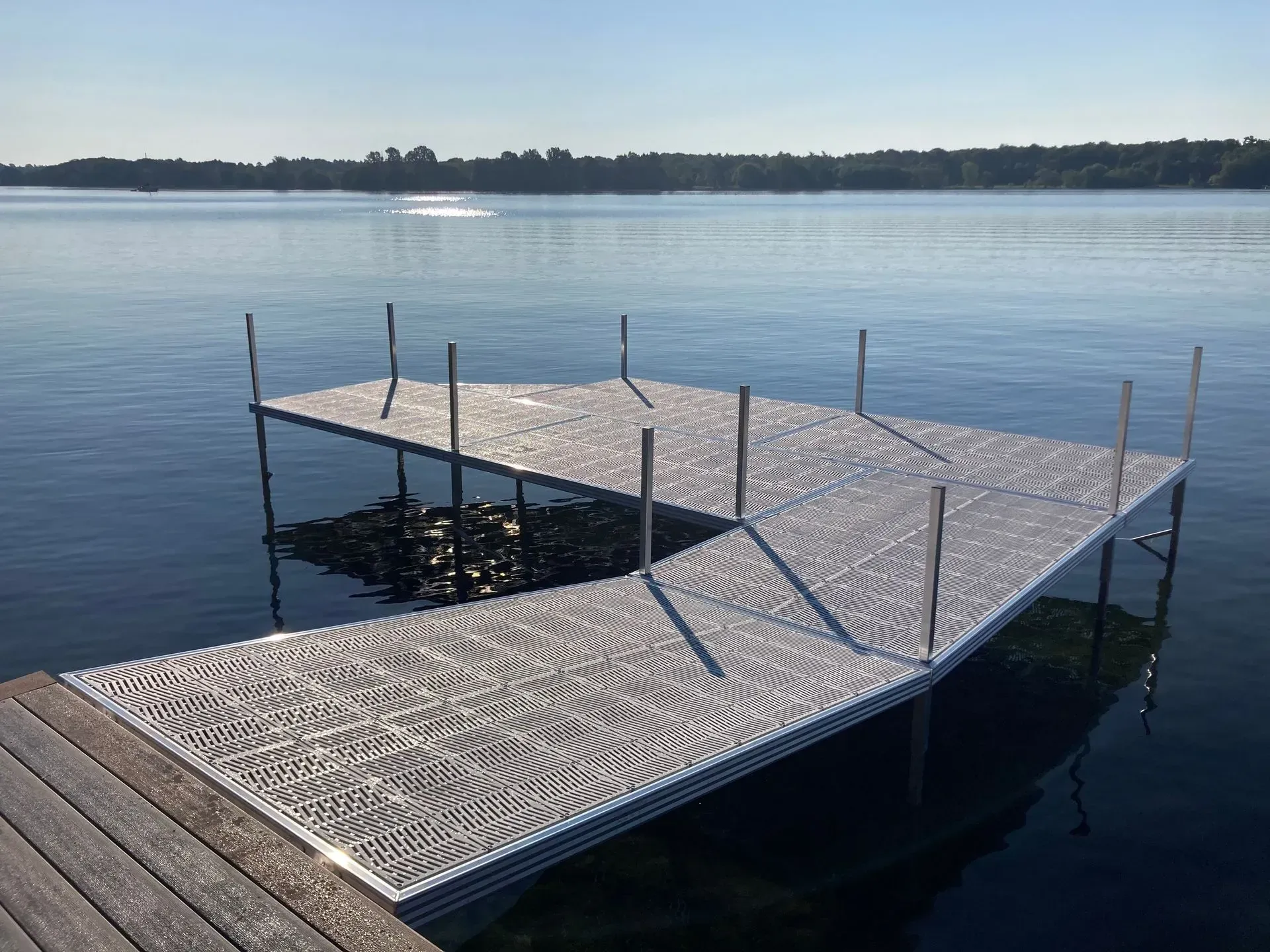
Learn the seven signs your dock may need replacing instead of repairing, and discover how to make the right long-term investment for your waterfront property.
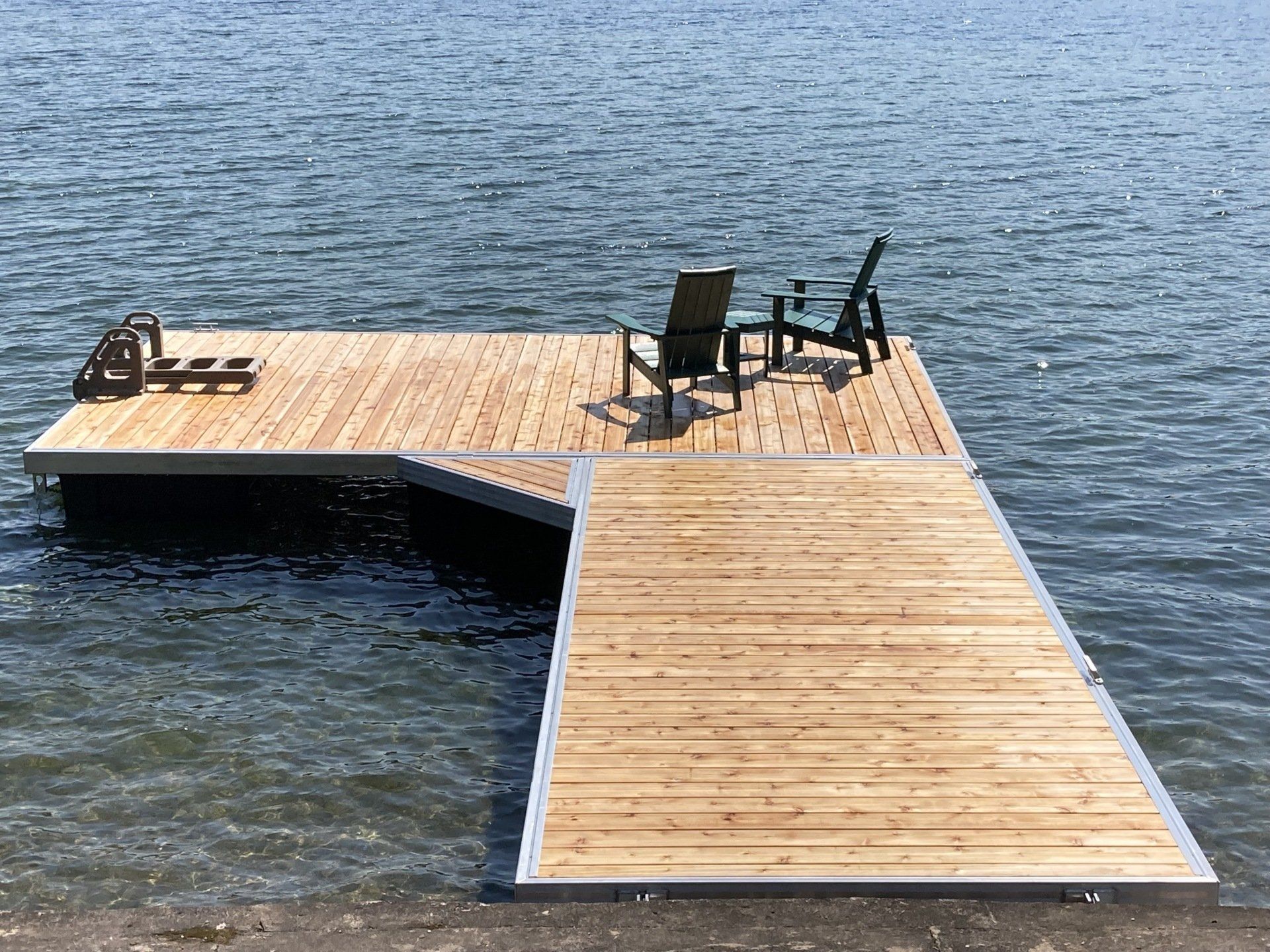
Simple dock and boat preparation tips to help Ontario waterfront owners enjoy safer, smoother, and more relaxing days on the lake.