

Waterfront Safety Essentials: Practical Tips for Docks, Lifts & Boaters
Waterfront safety is best approached systematically. Regular checks, proper equipment, and informed habits reduce risk for everyone using the shoreline, dock, and watercraft throughout the season.
Personal & On-Water Safety
- Ensure approved lifejackets or PFDs are available and properly fitted
- Every person on board must have access to a Canadian-approved lifejacket or PFD. Proper sizing and condition matter, especially for children and guests unfamiliar with boating requirements.
- Carry required boating safety equipment
- Essential items include a buoyant heaving line, sound-signalling device, flashlight, and bailer or pump. These are legal requirements and critical in emergency situations.
- Confirm operators hold a valid Pleasure Craft Operator Card (PCOC)
- Anyone operating a motorized vessel must carry proof of competency, demonstrating knowledge of navigation rules and emergency procedures.
Pre-Departure Checks
- Review weather and water conditions before heading out
- Sudden wind shifts and storms can create hazardous conditions, especially near shorelines and docks. Monitoring forecasts reduces the risk of unexpected returns or difficult dock approaches.
- Carry required boating safety equipment
- Letting someone know your destination and expected return time improves response time if assistance is needed.
- Confirm sober operation of all vessels
- Operating a boat under the influence is illegal and carries penalties similar to impaired driving. Safe operation protects passengers, swimmers, and nearby properties.
Dock & Shoreline Safety
- Keep dock surfaces clear and slip-resistant
- Remove algae buildup, loose debris, and trip hazards regularly to reduce falls when boarding or exiting vessels.
- Inspect cleats, fasteners, and mooring points
- Secure hardware ensures controlled docking and reduces strain on vessels during loading, unloading, and changing water conditions.
- Maintain clear swim and entry zones
- Swim ladders and re-entry points should be unobstructed and easy to locate, supporting safe access for swimmers of all abilities.
Thoughtful shoreline planning and stable structures play an important role in long-term safety, particularly where erosion or grade changes are present. Concepts often overlap with foundational site preparation practices used in shoreline construction and stabilization.
Boat Lift Safety
- Inspect lift cables, pulleys, and moving components
- Worn or frayed cables increase the risk of mechanical failure and should be addressed before peak usage.
- Test motors and manual controls at the start of the season
- Ensuring smooth, predictable operation prevents sudden movements that could damage vessels or cause injury.
- Confirm lift capacity matches the vessel
- Boat weight, fuel load, and accessories should remain within manufacturer limits to maintain stability and safe operation.
Operating Near Docks
- Approach docks at low speed and controlled angles
- Reduced speed improves maneuverability and minimizes impact forces, especially in wind or current.
- Communicate clearly with passengers before docking
- Planning movements in advance helps avoid sudden shifts in weight or unsafe disembarking.
- Observe posted speed limits and no-wake zones
- Local regulations protect swimmers, docks, and shorelines from damage caused by excessive wake.
Seasonal & Ongoing Awareness
- Recheck safety equipment mid-season
- Wear and exposure can degrade gear faster than expected, especially during heavy use periods.
- Encourage basic swimming and water-recovery skills
- Knowing how to reboard a dock or boat safely reduces panic and injury if someone enters the water unexpectedly.
- Maintain visibility in low-light conditions
- Clear sightlines around docks and shoreline structures support safe movement during early mornings, evenings, and overcast days.
A consistent safety checklist supports confident waterfront use throughout the boating season. When equipment, infrastructure, and habits align, docks and lifts function as intended — reliable, predictable, and ready for everyday use.

Buying an Ontario waterfront property? Check the dock, shoreline, permits, boat access and future needs before making your waterfront investment.
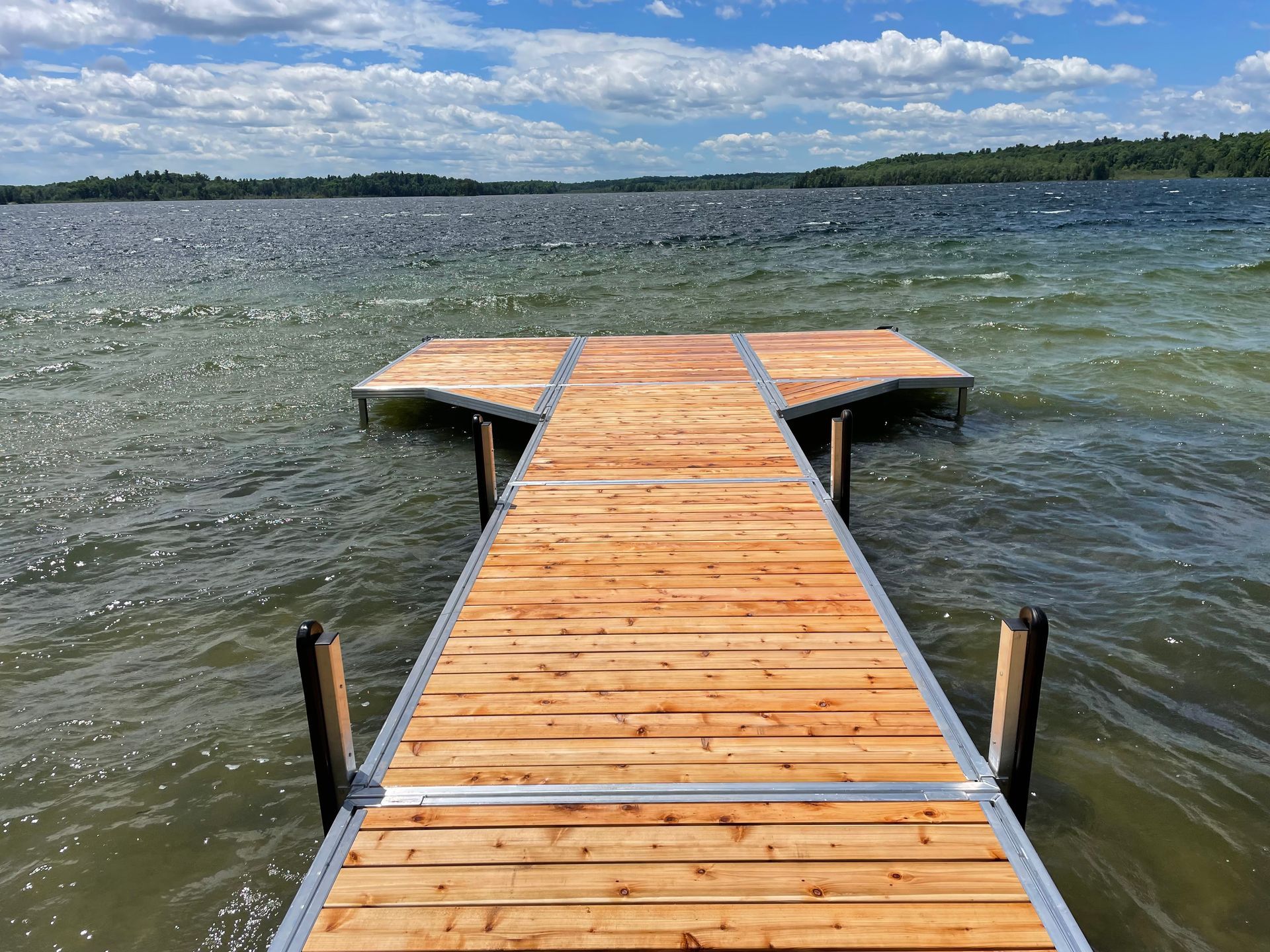
Learn what determines dock weight capacity, including flotation, size, condition and load distribution, and how to plan a safer waterfront dock.

Learn the most common reasons a dock begins sinking and when repairs or replacement may be the right solution for your waterfront.
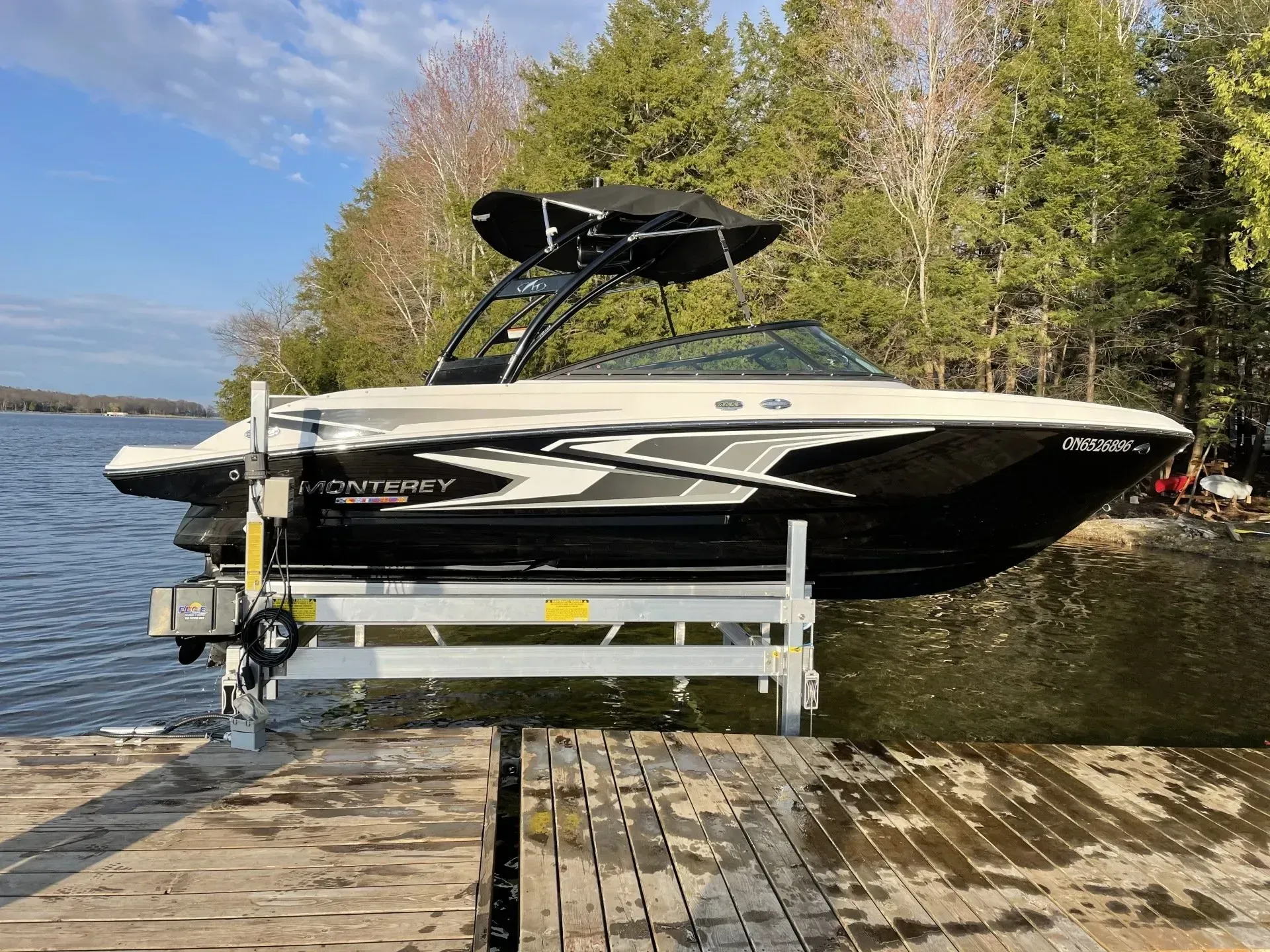
Learn how to choose the right boat lift by considering your boat, shoreline, water conditions, and long-term boating needs.
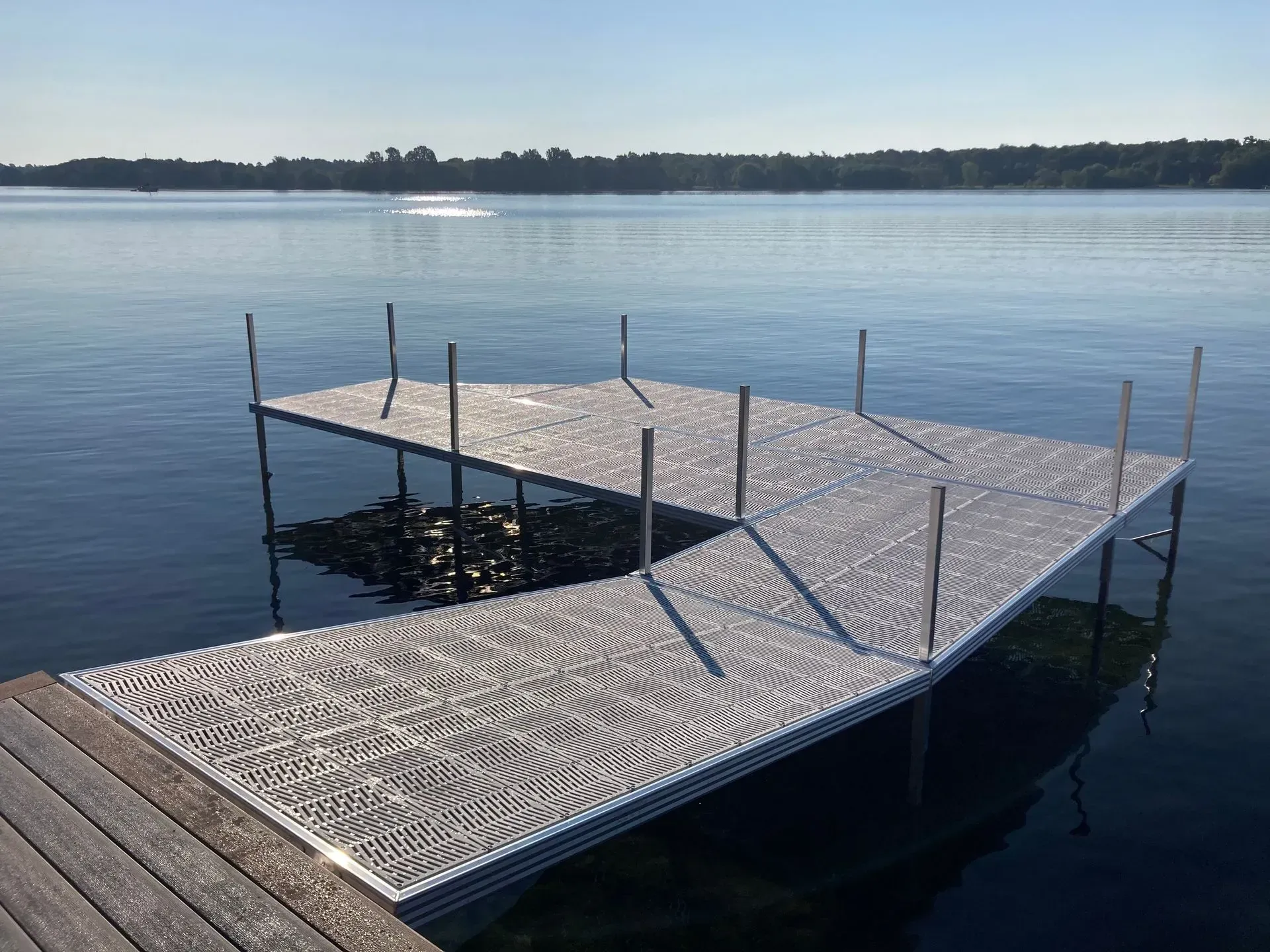
Learn the seven signs your dock may need replacing instead of repairing, and discover how to make the right long-term investment for your waterfront property.
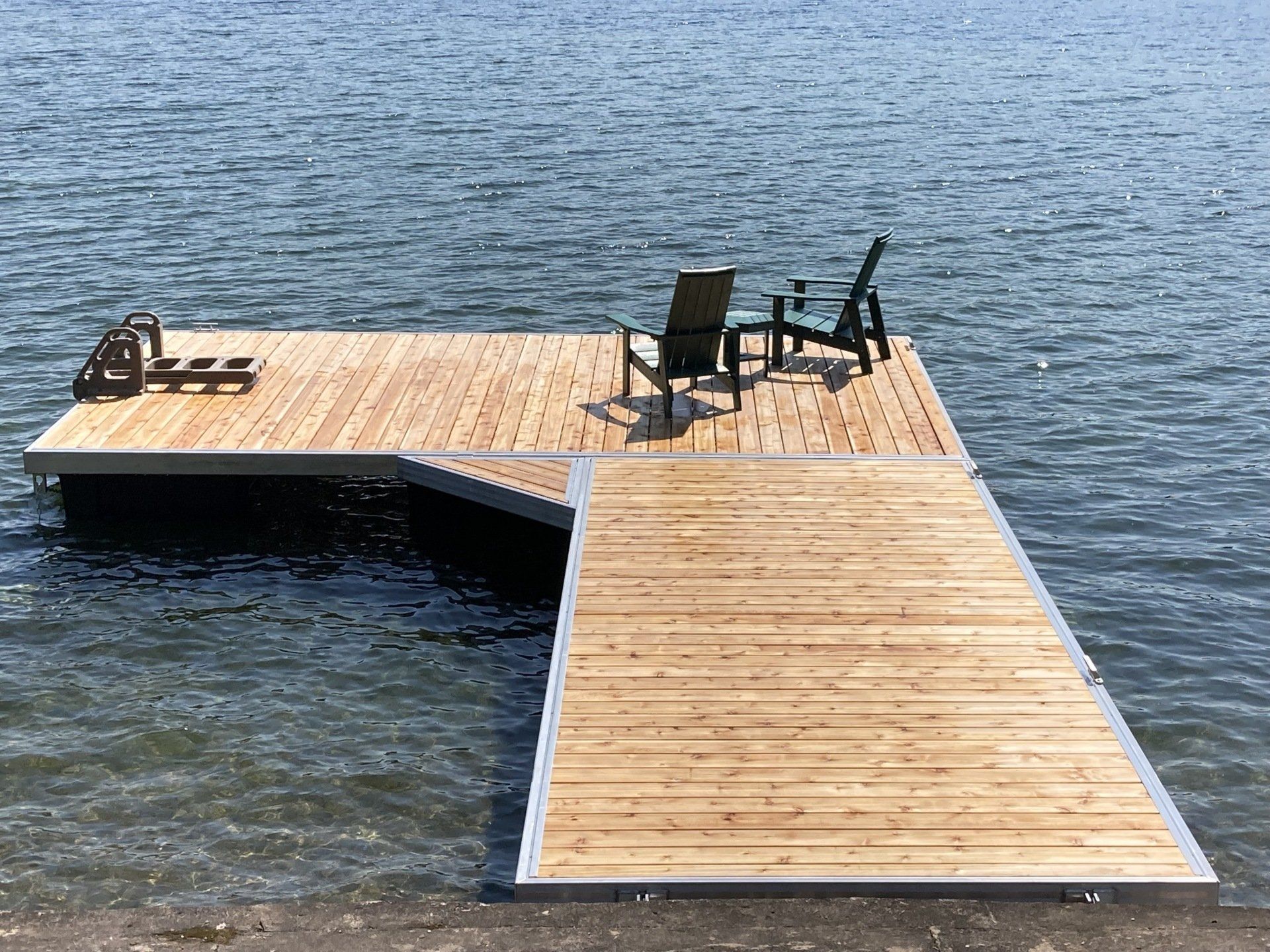
Simple dock and boat preparation tips to help Ontario waterfront owners enjoy safer, smoother, and more relaxing days on the lake.
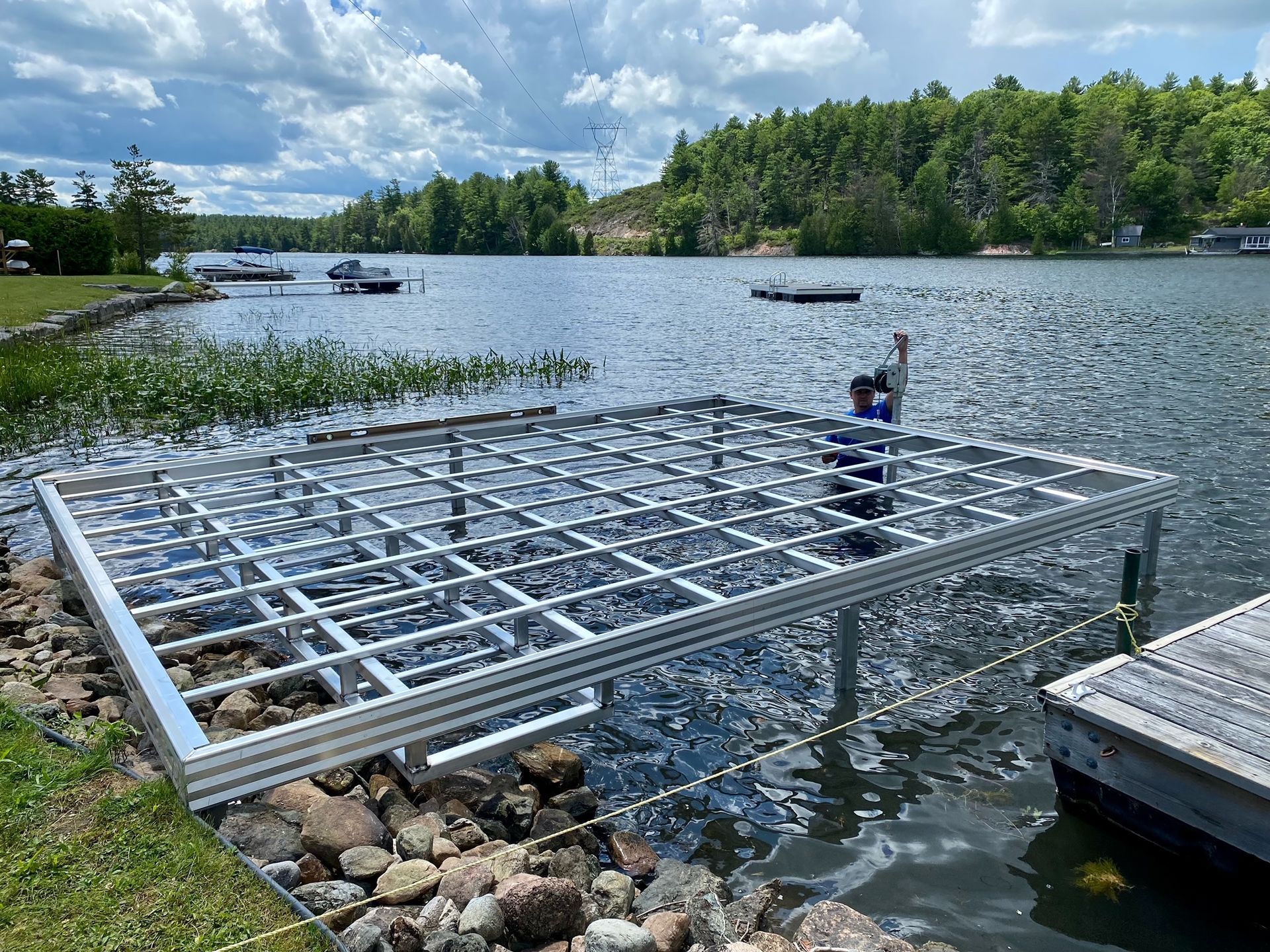
Know what to ask before comparing dock installation quotes in Rideau Lakes, including scope, site conditions, materials, access, timing, and contract details.
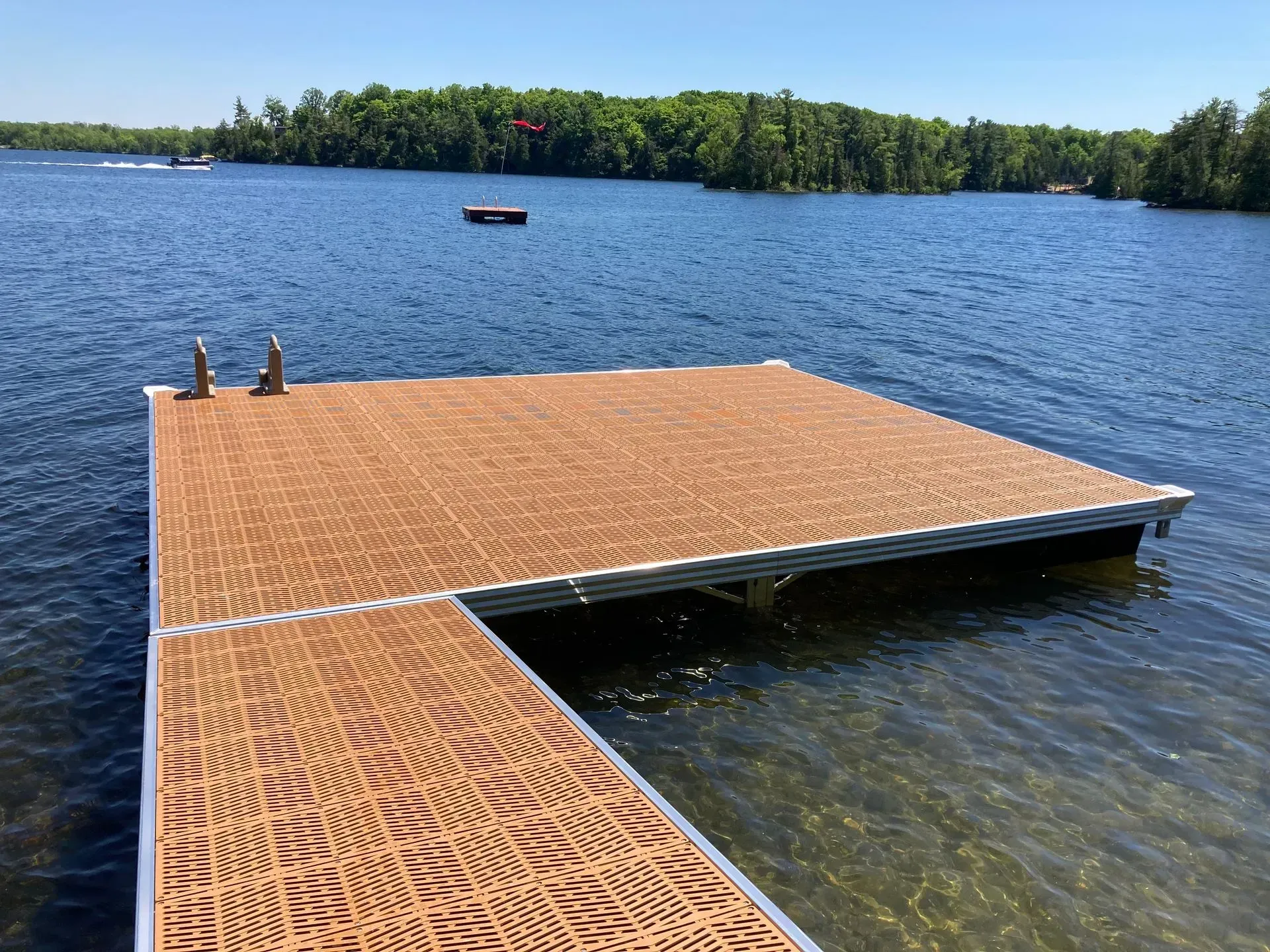
A story-style guide to planning a Rideau Lakes cottage dock that supports boating, swimming, family gatherings, safety, and long term waterfront use.
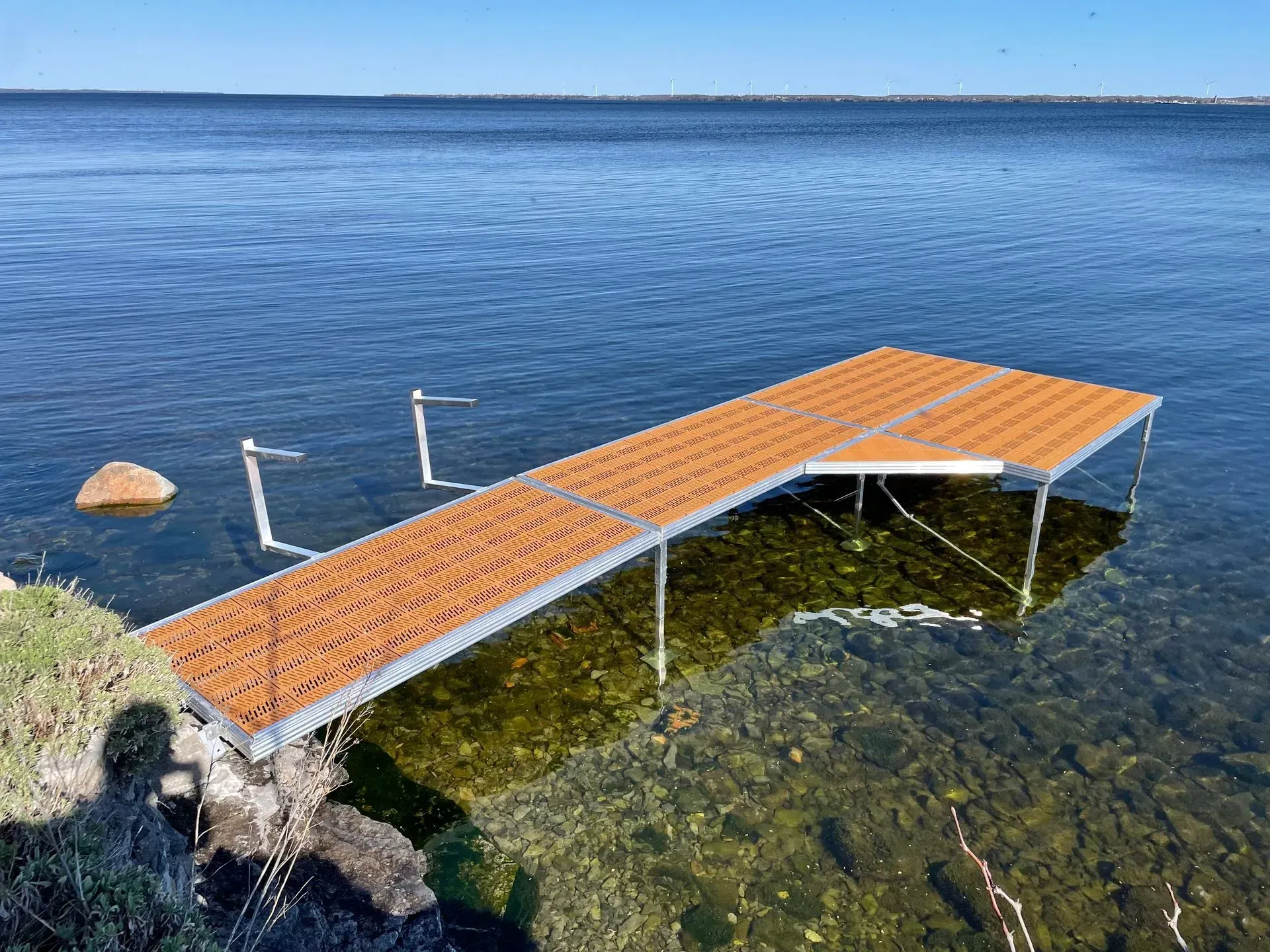
Explore the most common residential dock types for lakes, including floating, pipe, crib, and fixed docks, and learn which works best for your shoreline.
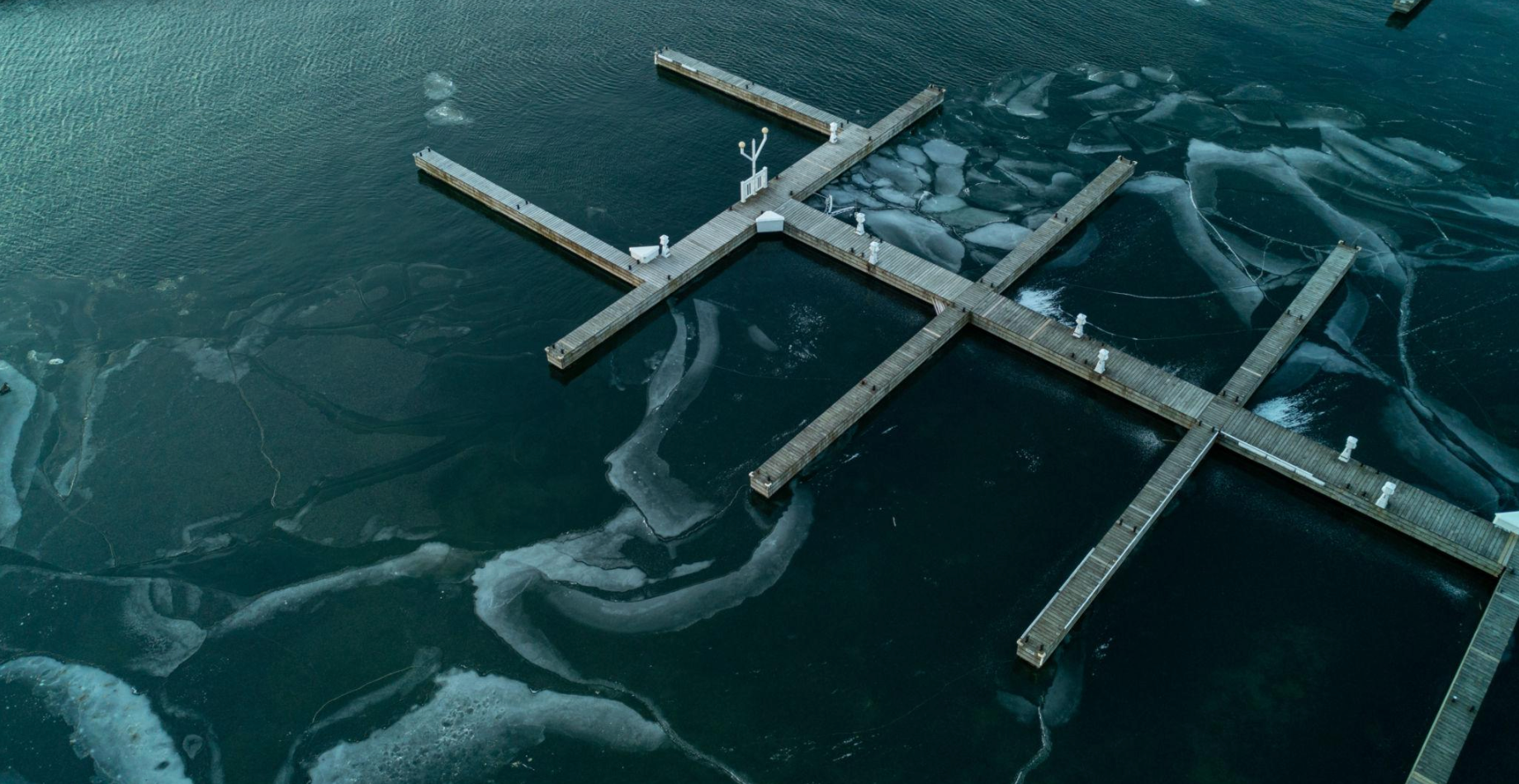
Learn why docks that look solid in summer can fail after winter ice shifts, and what factors determine long-term performance in Ontario conditions.