

Boating Etiquette Around Shared Waterfronts
Ontario waterways are often shared spaces, used by boaters, swimmers, anglers, paddlers, and neighbouring property owners. Good boating etiquette protects safety, preserves shorelines, and helps maintain positive relationships along the water.
The following checklist outlines practical habits that support respectful, responsible use of shared waterfront environments.
Docking & Near-Shore Behaviour
- Reduce speed well before approaching shorelines and docks
- Maintaining low speeds near shore limits wake damage, protects swimmers, and reduces strain on docks and moored vessels. Speed and wake restrictions are enforced on many Ontario waterways.
- Approach docks with controlled angles and clear communication
- Slow, predictable movements make docking safer for passengers and neighbouring boats, especially in wind or current.
- Avoid idling directly in front of private docks
- Lingering near docks can create unnecessary wake action and interfere with others entering or exiting the water.
Wake Awareness & Shoreline Protection
- Respect no-wake zones and posted speed limits
- No-wake areas are designed to protect swimmers, docks, and shorelines from erosion caused by repeated wave action.
- Adjust speed based on water conditions, not just signage
- Even where no signage exists, reducing speed during high water or heavy traffic helps prevent shoreline damage and improves safety.
- Shoreline stability and erosion control are closely tied to responsible boating habits, particularly in areas where retaining systems and structural supports play a role in long-term waterfront durability.
Sharing the Water with Others
- Give swimmers, paddlers, and anglers plenty of space
- Maintain generous distances from non-motorized water users to avoid sudden wake or prop wash.
- Navigate predictably in high-traffic areas
- Clear, consistent movements help other boaters anticipate direction changes and reduce collision risk.
- Use sound signals only when appropriate
- Excessive horn use can create confusion and unnecessary noise along residential shorelines.
Anchoring & Temporary Mooring
- Anchor away from navigation routes and dock access points
- Poor anchoring placement can block safe passage and limit access for neighbouring properties.
- Ensure anchors are properly set and monitored
- Dragging anchors can damage aquatic habitats and create safety hazards for passing boats.
- Avoid anchoring over swimming zones or shallow entry areas
- Clear access points support safe use for everyone sharing the shoreline.
Noise & Time-of-Day Awareness
- Keep music and engine noise reasonable near residential areas
- Sound travels easily over water, especially in the early morning and evening hours.
- Be mindful during launch and return times
- Early departures and late returns should be handled quietly where possible to respect neighbouring properties.
Education & Responsibility
- Understand right-of-way and navigation rules
- Following established navigation standards reduces confusion and improves safety in shared waterways.
- Encourage guests to follow the same standards
- Clear expectations help visitors understand local norms and reduce unintentional issues.
- Lead by example on shared waterways
- Consistent, respectful behaviour sets the tone for others and supports long-term enjoyment of the water.
Good boating etiquette is part of responsible waterfront ownership. When speed, noise, access, and safety are managed thoughtfully, shared waterways remain enjoyable, functional, and protected for everyone who uses them.

Buying an Ontario waterfront property? Check the dock, shoreline, permits, boat access and future needs before making your waterfront investment.
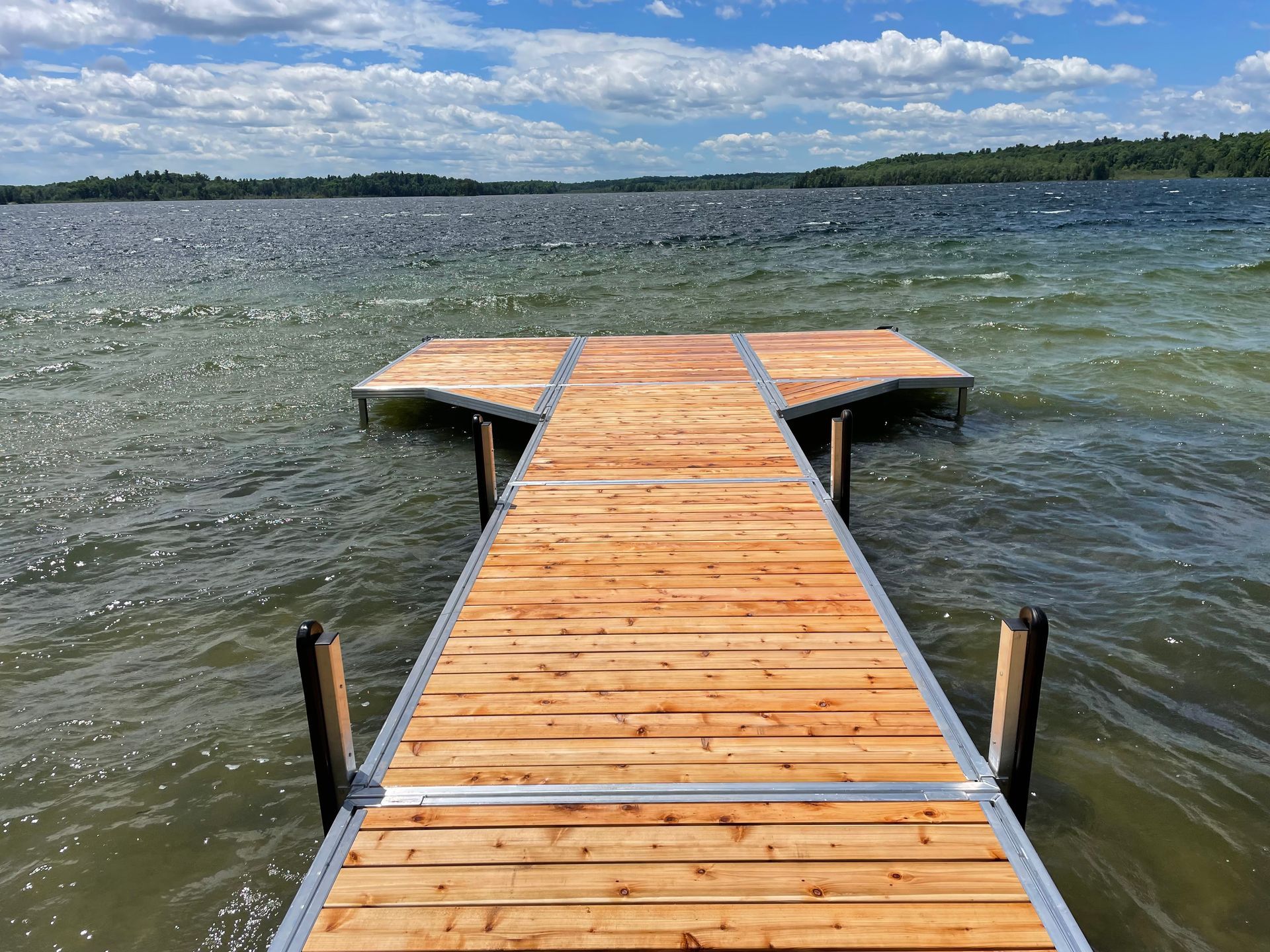
Learn what determines dock weight capacity, including flotation, size, condition and load distribution, and how to plan a safer waterfront dock.

Learn the most common reasons a dock begins sinking and when repairs or replacement may be the right solution for your waterfront.
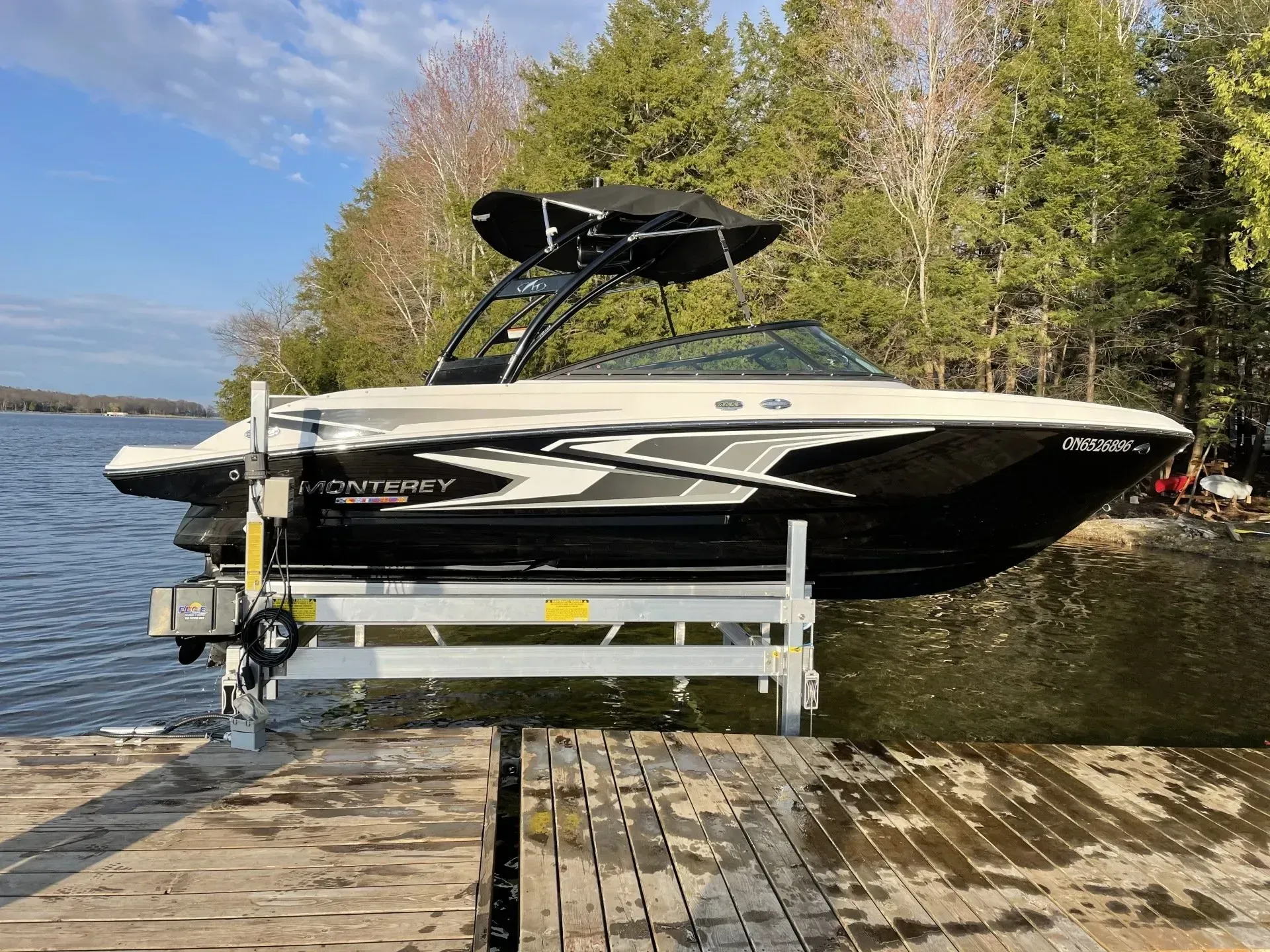
Learn how to choose the right boat lift by considering your boat, shoreline, water conditions, and long-term boating needs.
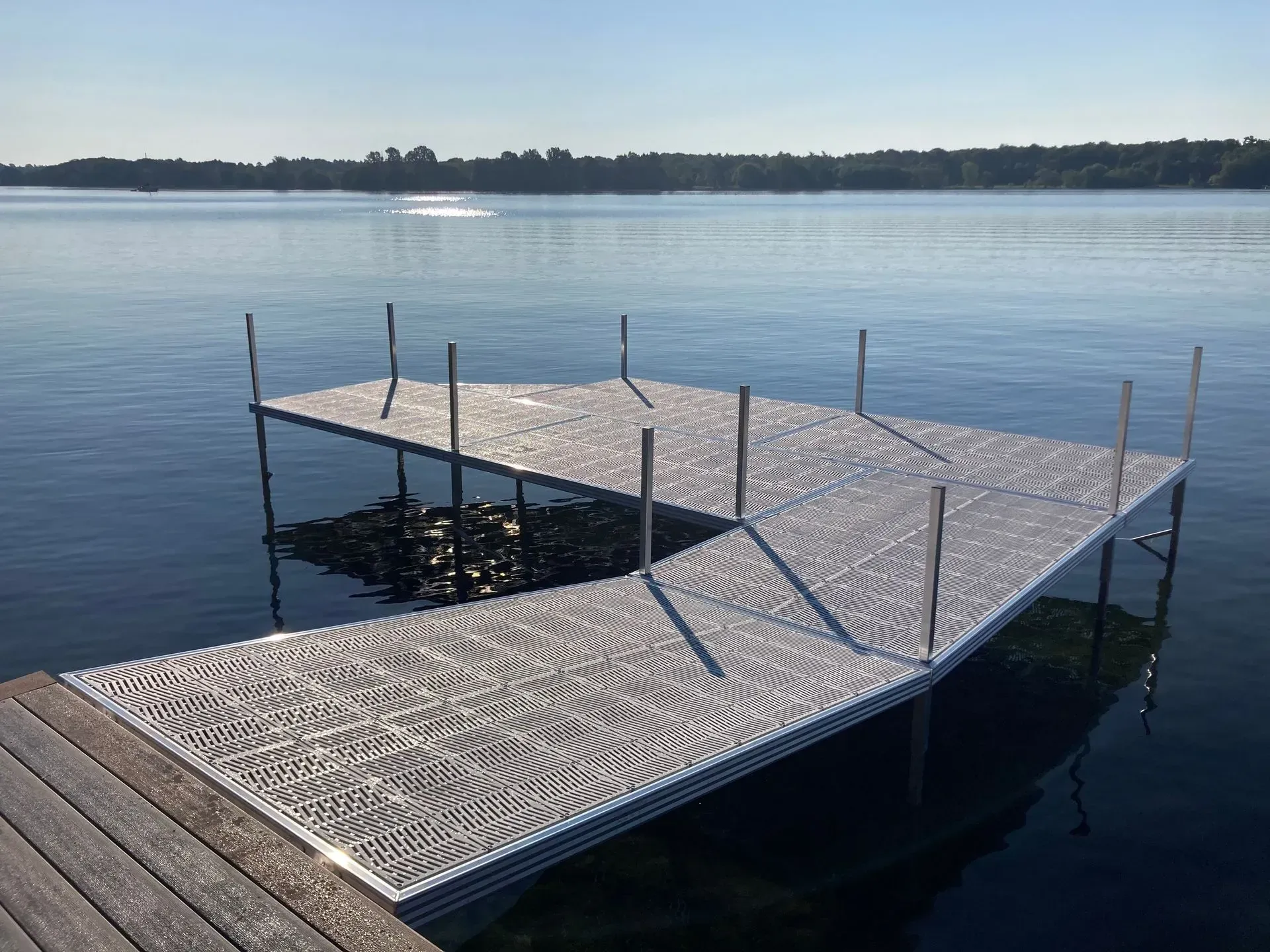
Learn the seven signs your dock may need replacing instead of repairing, and discover how to make the right long-term investment for your waterfront property.
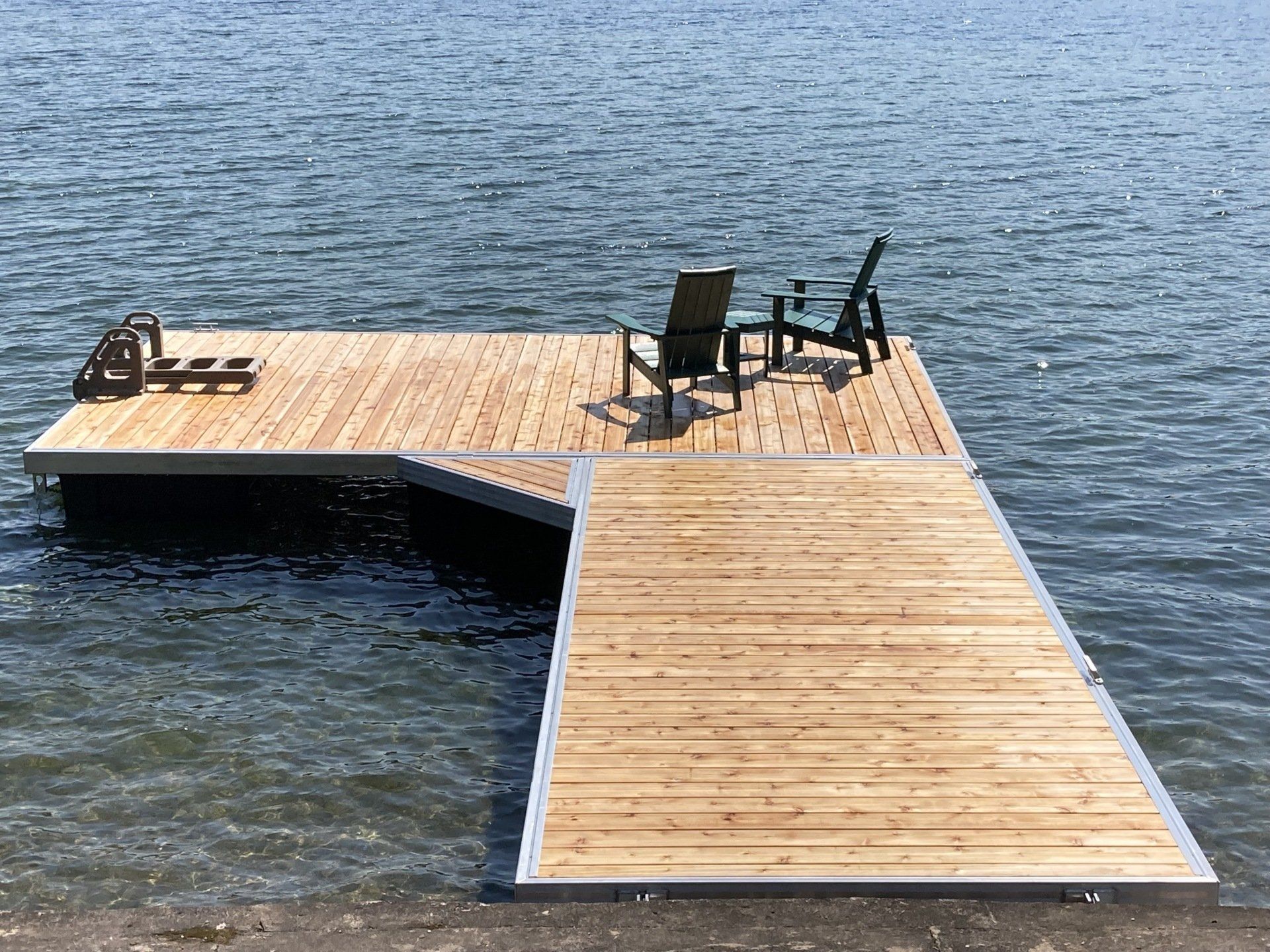
Simple dock and boat preparation tips to help Ontario waterfront owners enjoy safer, smoother, and more relaxing days on the lake.
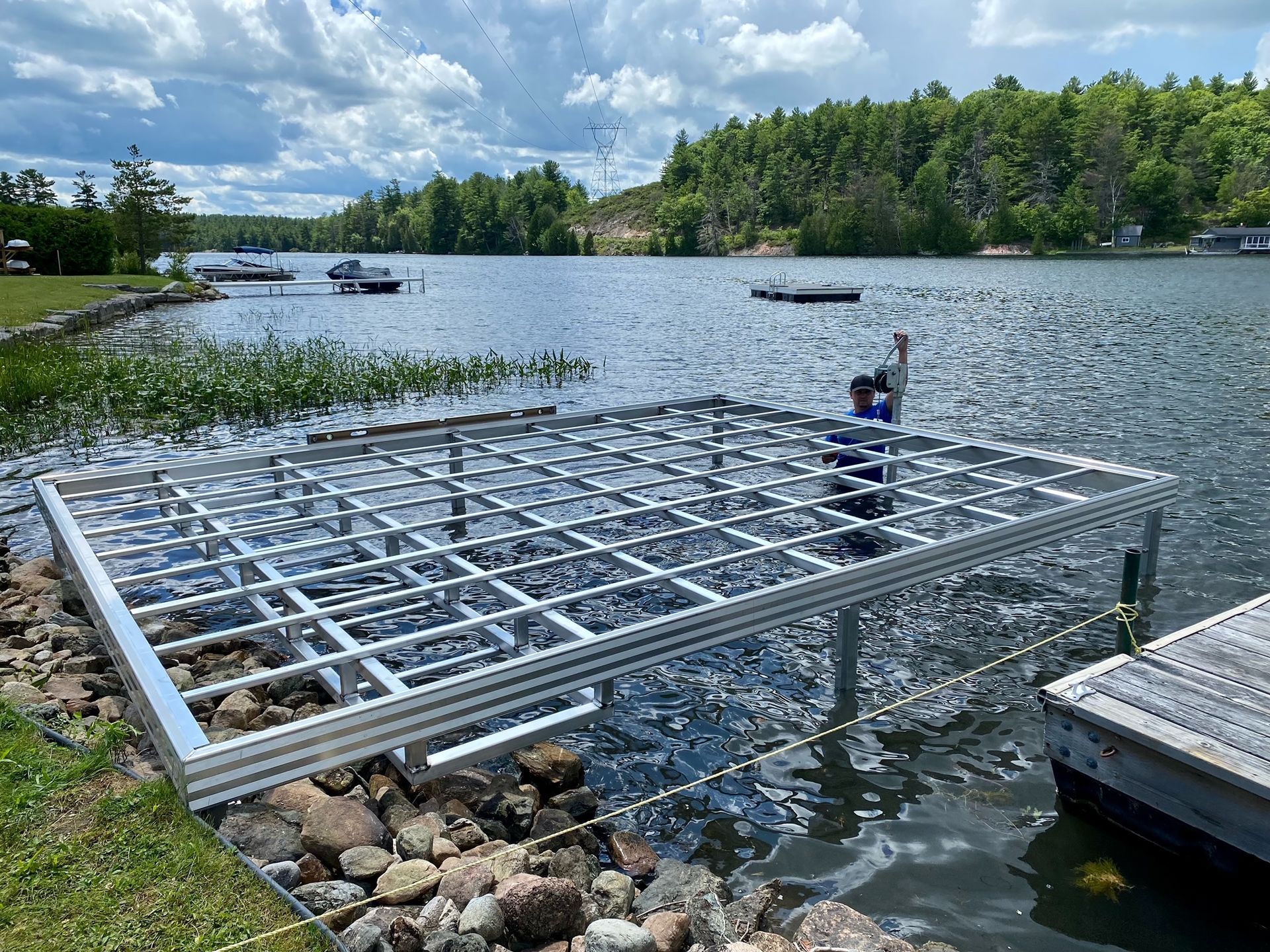
Know what to ask before comparing dock installation quotes in Rideau Lakes, including scope, site conditions, materials, access, timing, and contract details.
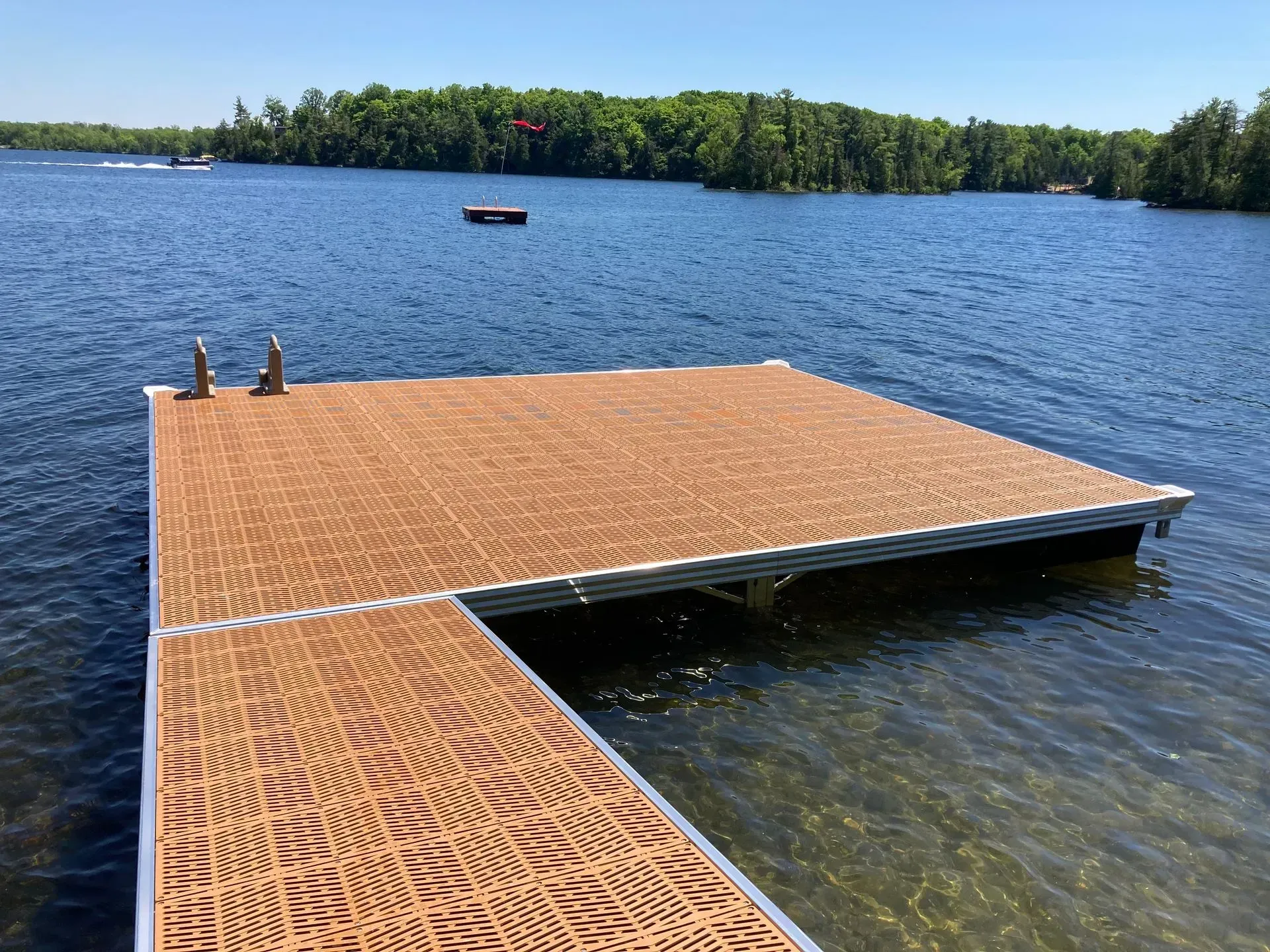
A story-style guide to planning a Rideau Lakes cottage dock that supports boating, swimming, family gatherings, safety, and long term waterfront use.
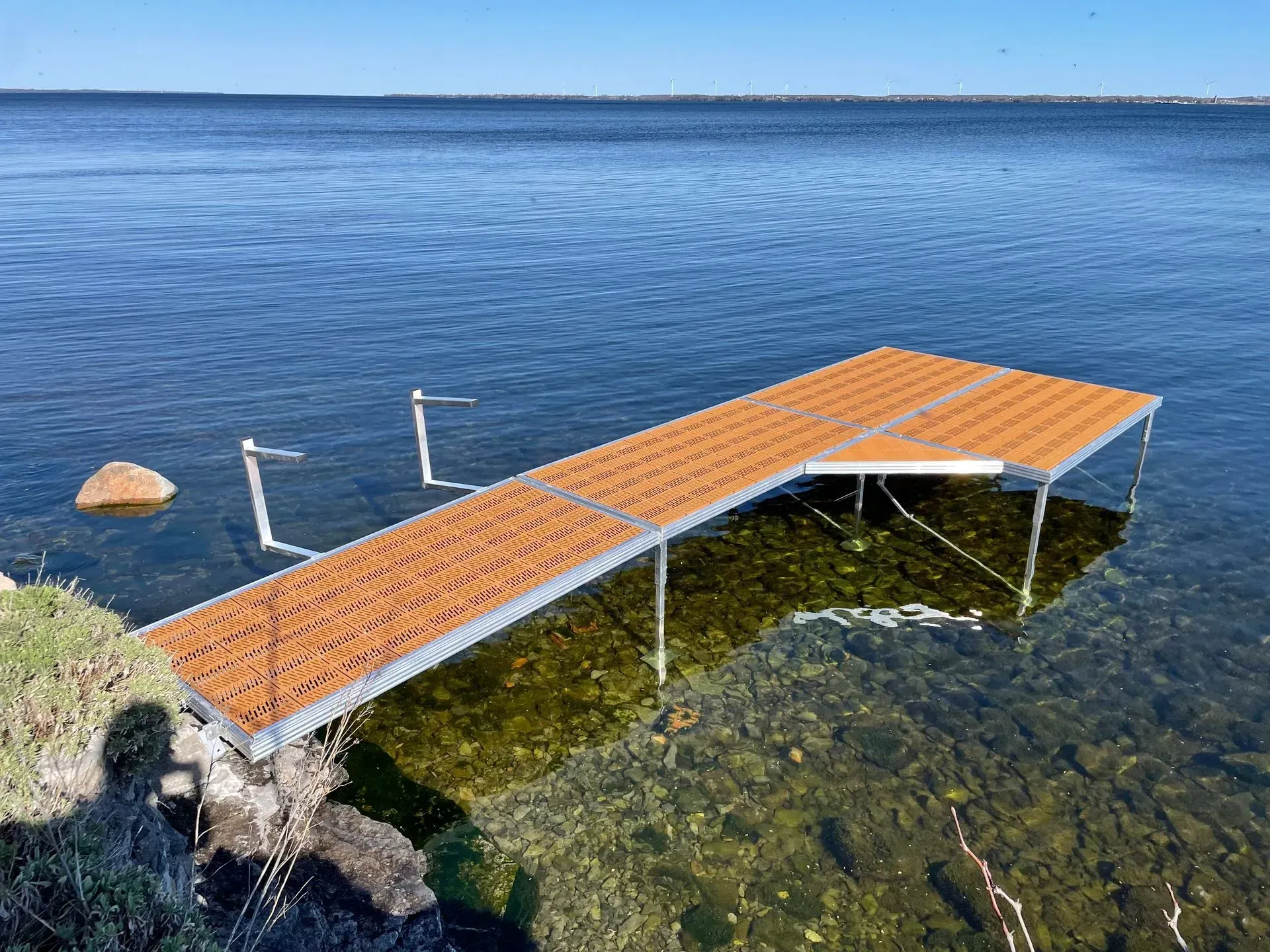
Explore the most common residential dock types for lakes, including floating, pipe, crib, and fixed docks, and learn which works best for your shoreline.
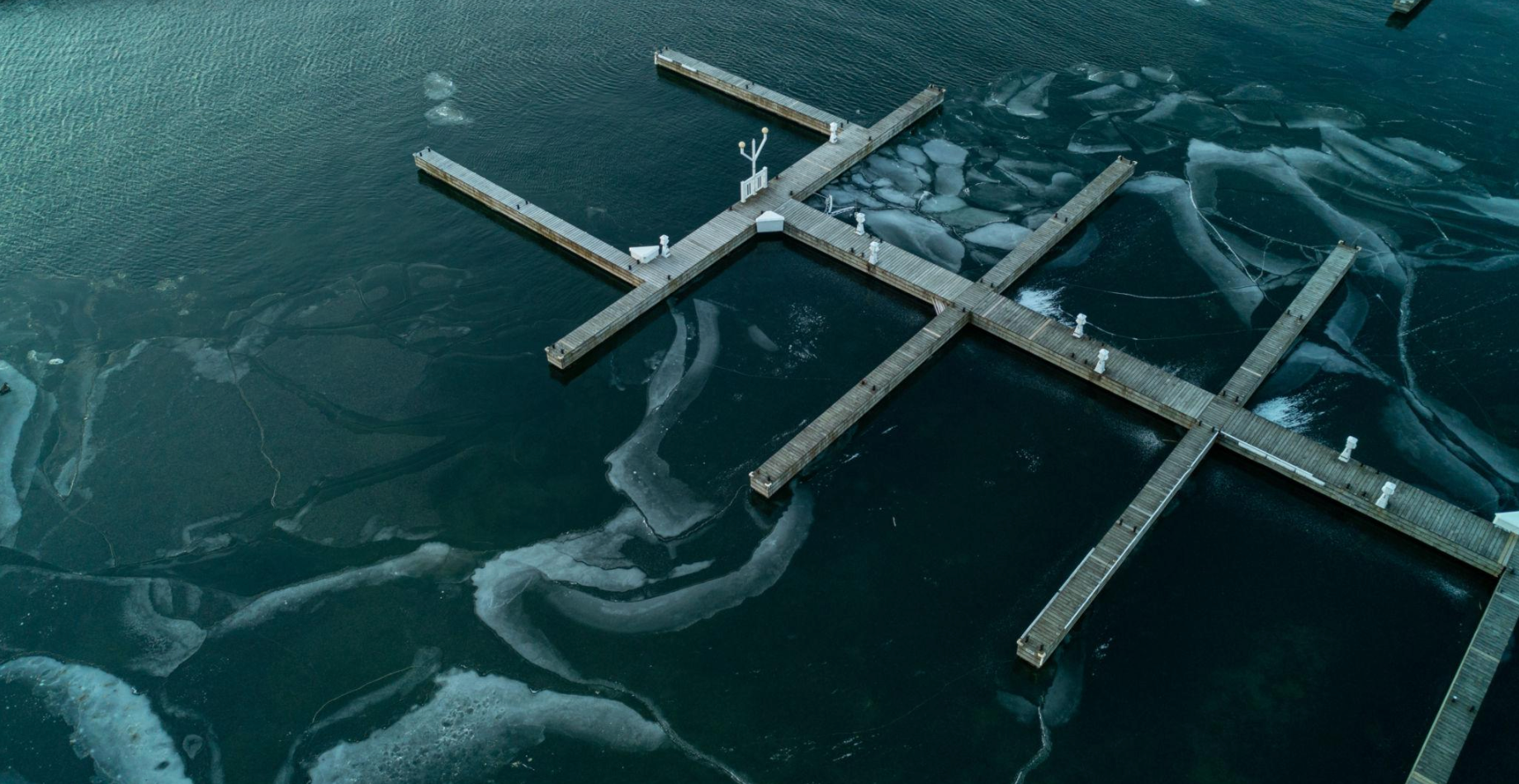
Learn why docks that look solid in summer can fail after winter ice shifts, and what factors determine long-term performance in Ontario conditions.