
Aquatic Weed Control in Ontario: Protecting Your Shoreline and Your Dock
Owning waterfront property in Ontario is a dream- but with that dream often comes the challenge of managing aquatic weeds. Left unchecked, vegetation can quickly take over, clouding the water, disrupting recreation, and even putting stress on your dock and boat lift.
Aquatic weed control isn’t just about keeping your shoreline looking good; it’s about protecting your property, maintaining water quality, and making sure your waterfront is safe and enjoyable all season long.
Why Aquatic Weed Control Matters
Aquatic weeds are more than just an eyesore. If unmanaged, they can:
- Limit recreation – Dense weed growth makes swimming, boating, and fishing difficult.
- Damage structures – Roots and plant buildup can wrap around dock pilings or boat lifts, leading to costly wear and tear.
- Reduce property value – A cluttered shoreline diminishes both enjoyment and resale value.
- Affect water quality – Dying weeds deplete oxygen in the water, harming fish and other aquatic life.
Addressing weeds early helps keep your waterfront safe, attractive, and functional throughout the season.
Common Aquatic Weeds in Ontario
Some of the most common plants Ontario waterfront owners encounter include:
- Eurasian Watermilfoil – An invasive species that forms thick mats across the surface.
- Coontail – A native plant that spreads rapidly in shallow waters.
- Pondweed – Widely found in Ontario lakes, often thriving around docks.
- Algae blooms – While not technically weeds, algae can coat equipment and make water unpleasant.
The
Government of Ontario identifies Eurasian Watermilfoil as one of the province’s most invasive species, making it especially important to spot and manage early.
DIY Approaches vs. Professional Solutions
Some property owners try hand-raking, pulling weeds, or covering sections of the lakebed. These methods may provide short-term relief but rarely solve the issue long-term.
Professional equipment, such as lakebed aerators, water circulators, and de-icers, offers more reliable protection. By keeping water moving and oxygen levels high, these systems discourage weed growth and prevent sediment buildup near docks and lifts.
Canadian-made
Arbrux Water Circulators are a great example. Designed specifically for shoreline protection, they move large volumes of water efficiently, helping keep waterfronts clear while protecting docks and lifts from wear.
Best Practices for Weed Management
Here are a few strategies to stay ahead of aquatic weeds:
- Inspect regularly – Early detection saves time and money. Add shoreline checks to your routine when
winterizing your dock and lift.
- Keep water moving – Circulators and de-icers prevent stagnant conditions that fuel weed growth. The type of dock you choose plays a role here too-
see our guide on floating vs. pole docks for more insight.
- Plan ahead – Start in spring so summer growth is easier to manage.
- Stay on top of maintenance – Regular upkeep makes a difference. For more seasonal advice, check out our
how to inspect your dock and boat lift for ice damage.
Organizations like the
Ontario Federation of Anglers and Hunters also provide helpful resources for identifying invasive plants and preventing their spread.
Protecting Your Dock and Boat Lift
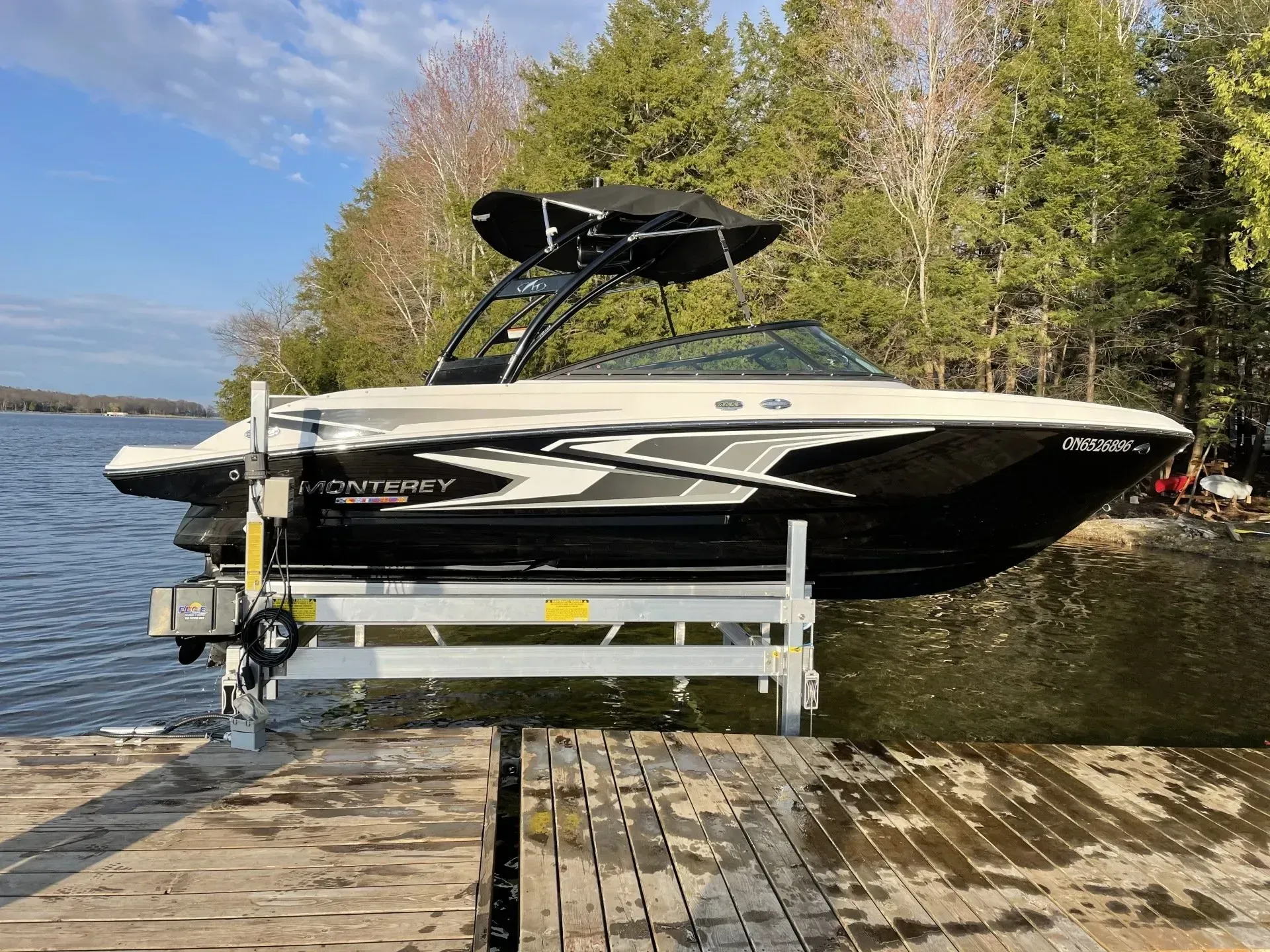
Aquatic weeds don’t just make the water unpleasant; they can also shorten the lifespan of your dock and lift. Buildup can trap debris, create drag, and accelerate corrosion. By managing vegetation, you’ll:
- Reduce strain on lift motors.
- Minimize rust and wear on dock pilings.
- Keep boats safe from hidden snags.
Weed control is just as much about protecting your investment as it is about improving the waterfront experience.
Keeping aquatic weeds under control is a key part of waterfront ownership in Ontario. It preserves your shoreline’s natural beauty, protects docks and lifts, and ensures your property stays safe and enjoyable for years to come.
Looking for long-term solutions?
Contact C&M Superior Systems to learn more about our shoreline protection equipment and dock solutions.