
Floating vs. Pole Docks: Which Is Right for Your Ontario Waterfront?
Choosing the right dock system for your Ontario waterfront property is more than just a matter of style — it’s about performance, shoreline conditions, and seasonal needs. At
Superior Systems we specialize in helping you find the best solution for your lifestyle and your shoreline.
What Is a Floating Dock?
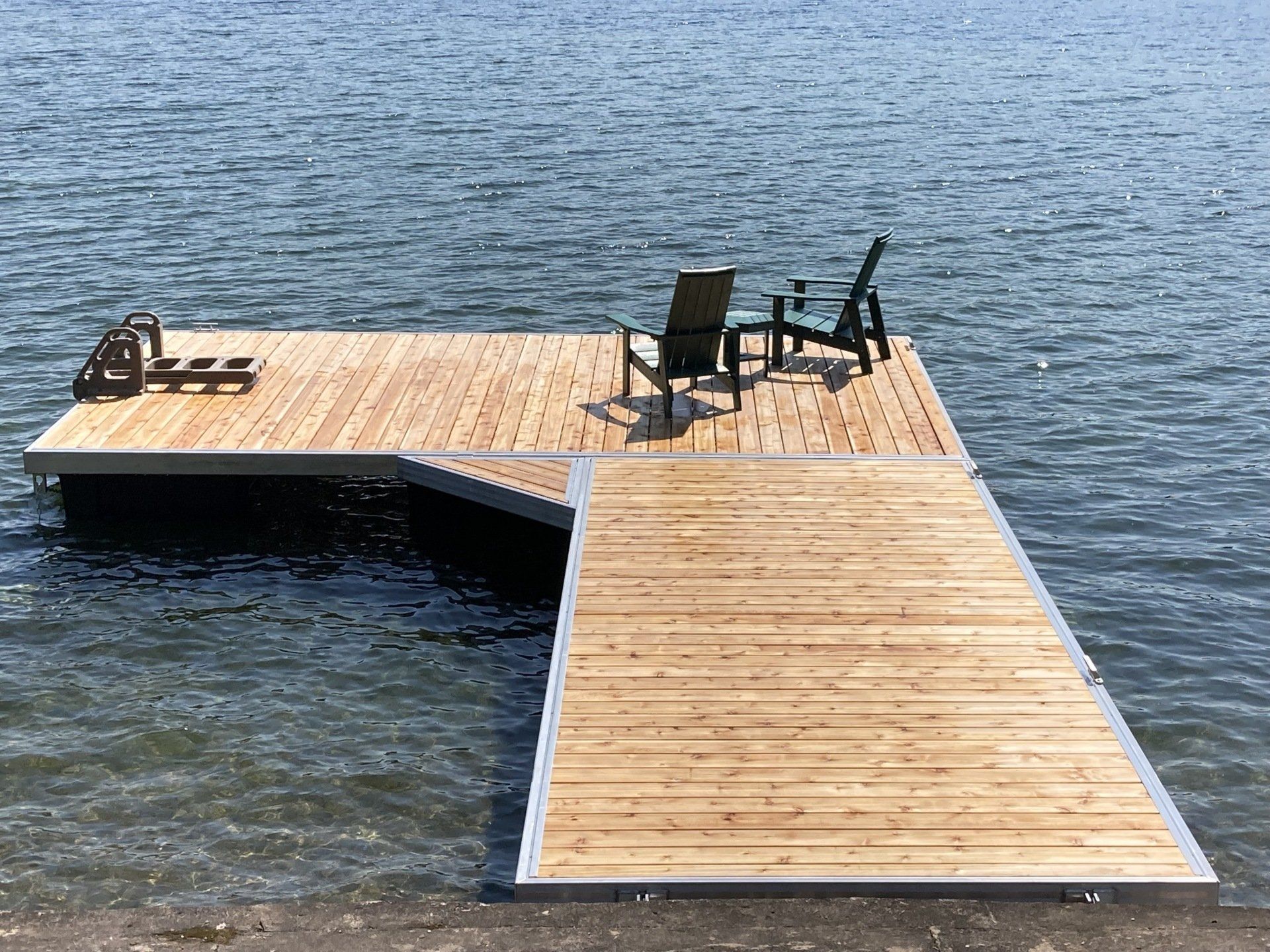
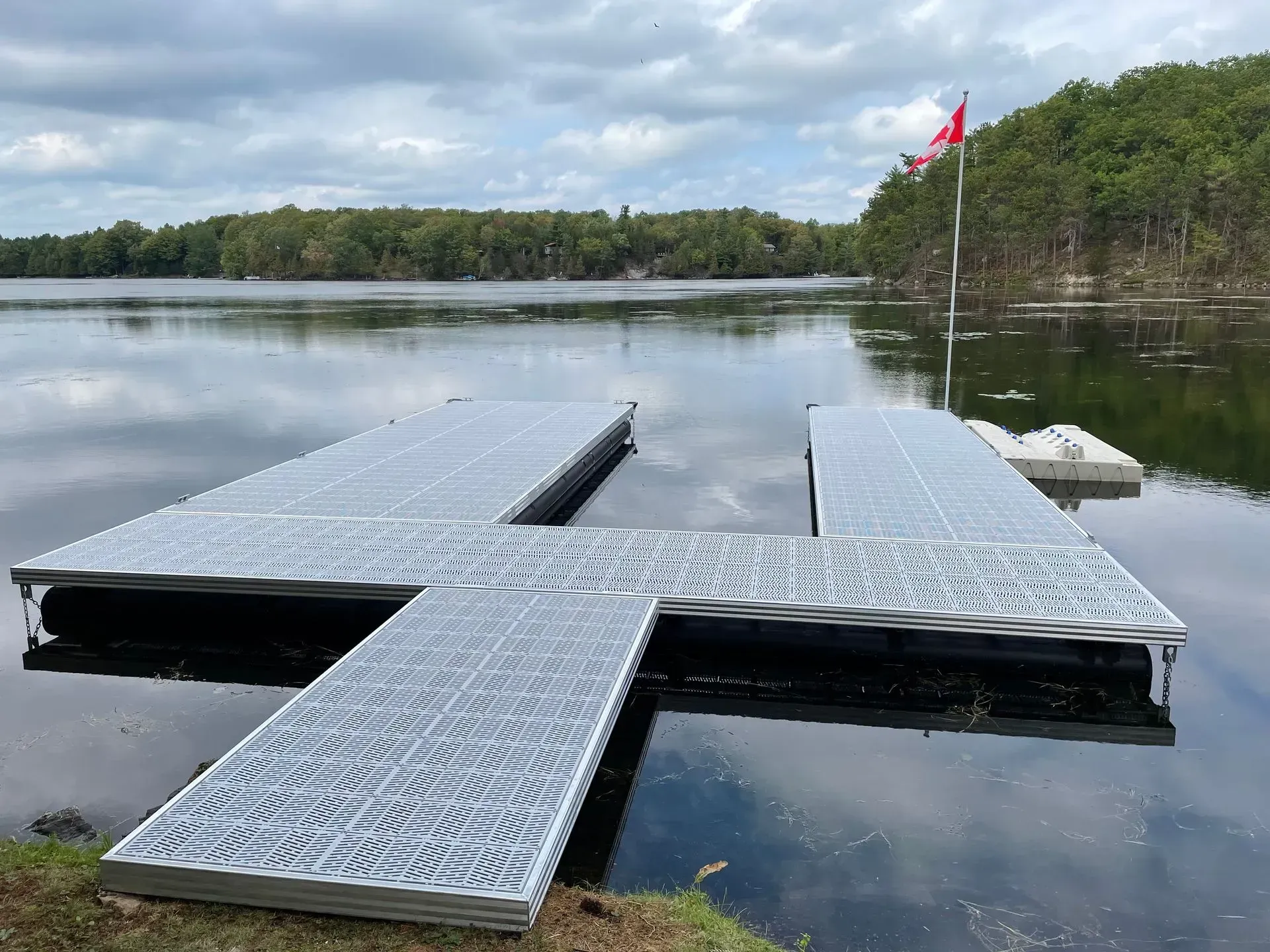
Floating docks rest on the water’s surface and rise and fall with water levels. They’re ideal for lakes, rivers, or reservoirs that experience significant seasonal fluctuations.
Benefits:
- Adaptability: Adjusts automatically to changing water levels.
- Easy Installation: No need to drive poles into the lakebed.
- Modular Design: Expandable and reconfigurable over time.
Considerations:
- Responsive Underfoot: Floating docks naturally move with the water, which offers a more flexible feel that some users appreciate, especially for swimming and launching watercraft.
- Anchoring Needs: Proper anchoring ensures stability and positioning — and our team will assess your site to design the right setup.
Learn more about our
floating dock systems.
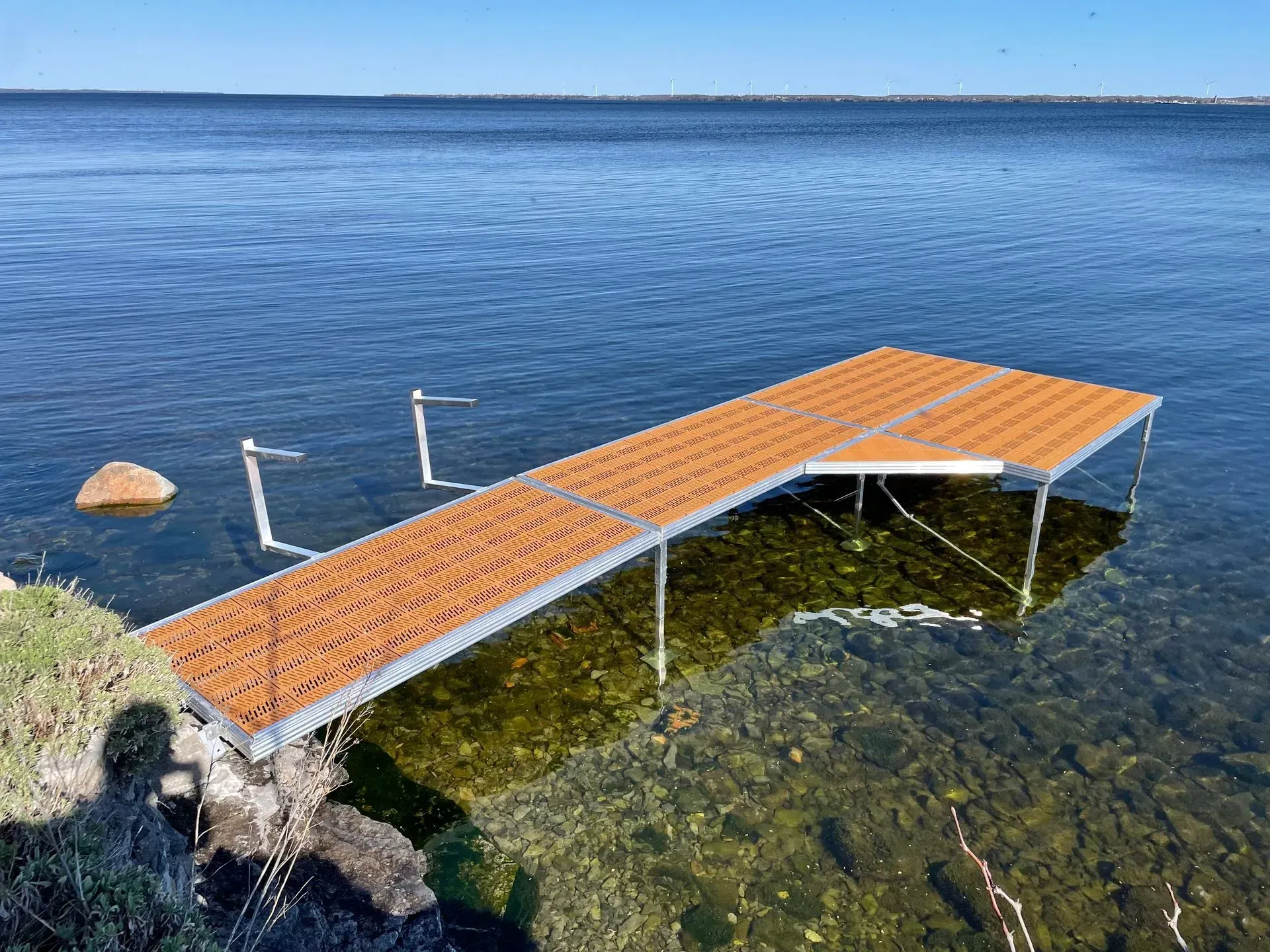
What Is a Pole Dock?
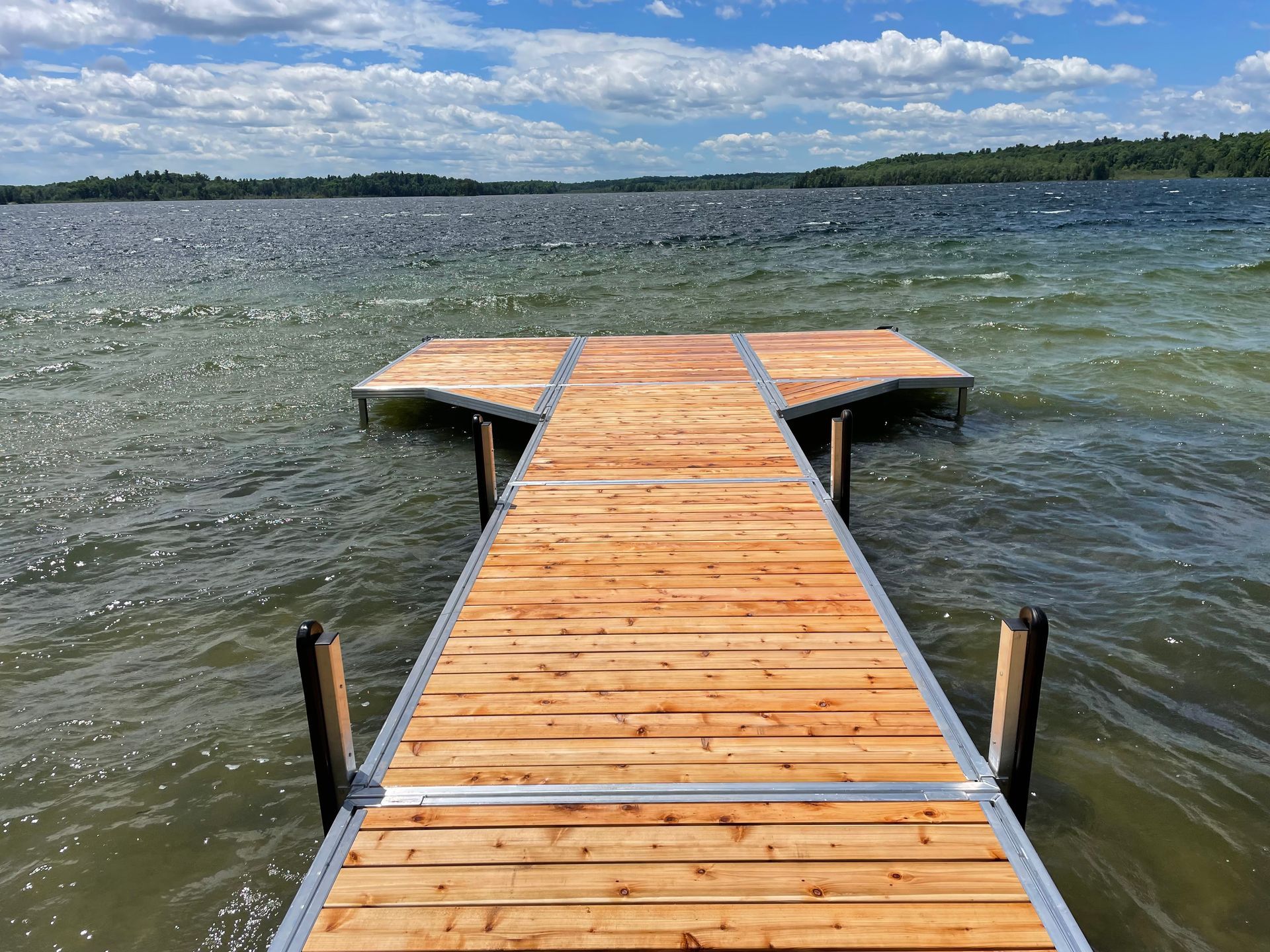
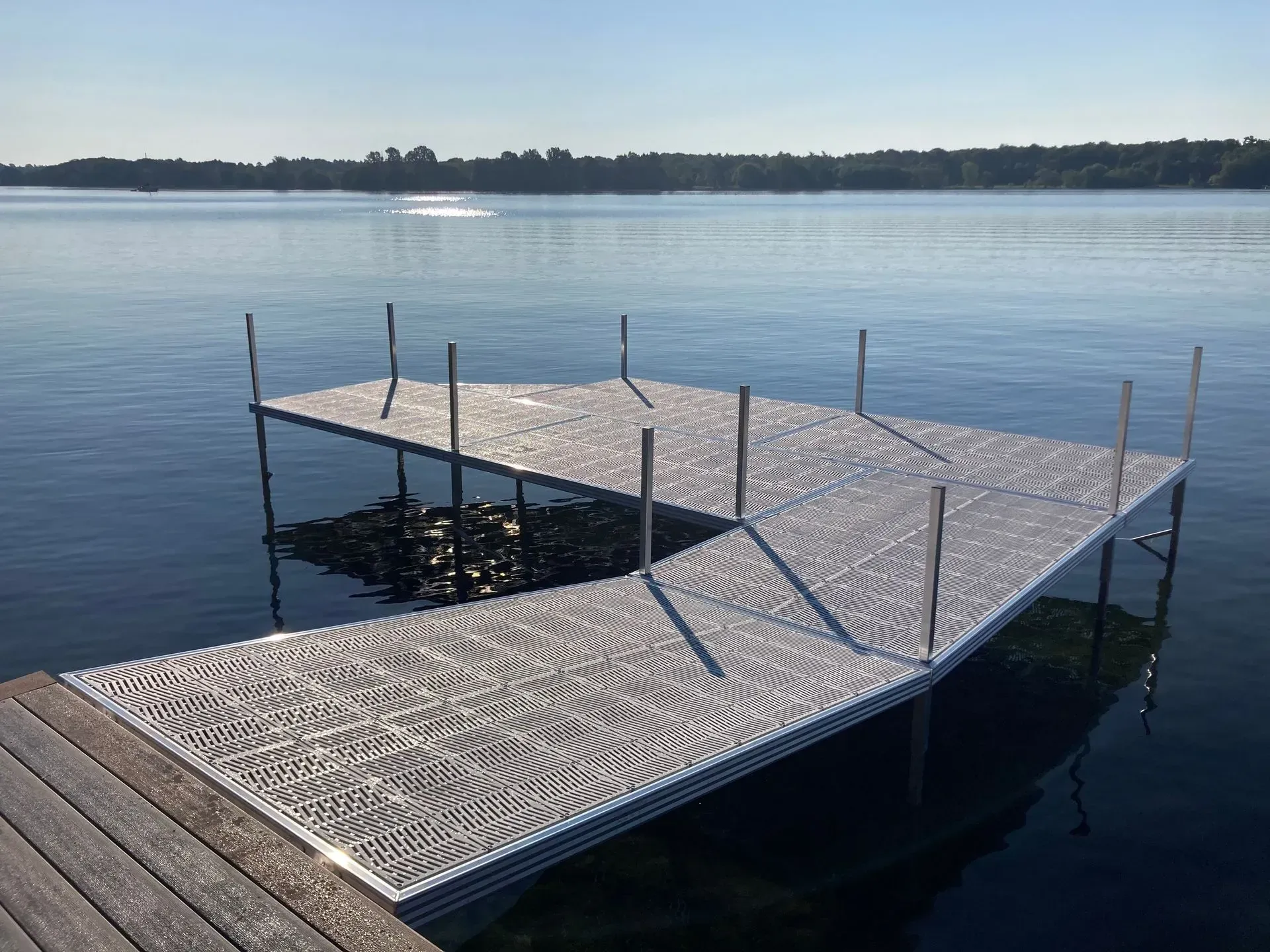
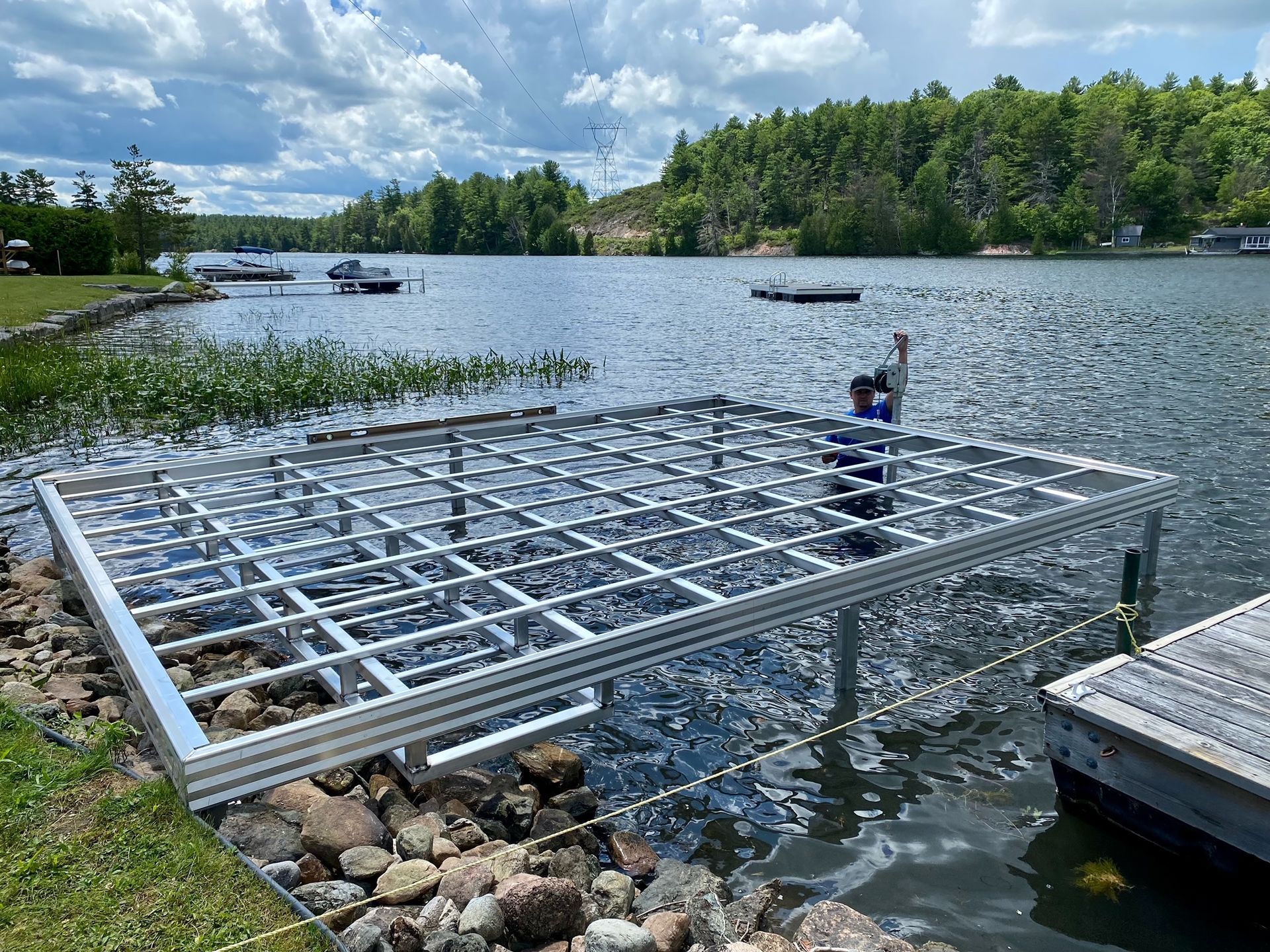
Also known as fixed docks, these systems are supported by poles embedded into the lakebed. They work best in locations with a firm, consistent bottom and minimal water level variation.
Benefits:
- Sturdy and Reliable: Feels stable underfoot, even in rougher weather.
- Minimal Maintenance: With proper materials, pole docks can last for decades.
- Classic Look: A popular choice for traditional cottage properties.
Considerations:
- Best Suited for Specific Sites: Pole docks perform exceptionally well in shallow, stable waters with a firm lakebed. For properties with deep or soft-bottom conditions, a site assessment can help determine the best-fit solution.
- Fixed Height: Since they don’t rise and fall with water levels, they’re ideal for lakes with consistent depths and minimal fluctuation.
Which Dock Is Best for You?
Here’s what to consider when making your choice:
- Shoreline Conditions: Is your lakebed soft or rocky? Shallow or deep?
- Water Level Fluctuation: Floating docks are ideal for lakes with varying water levels (like the Rideau Canal).
- Usage: Are you docking a boat, swimming, or fishing?
- Budget: Pole docks may have a higher upfront cost due to installation but require less ongoing maintenance.
Materials Matter
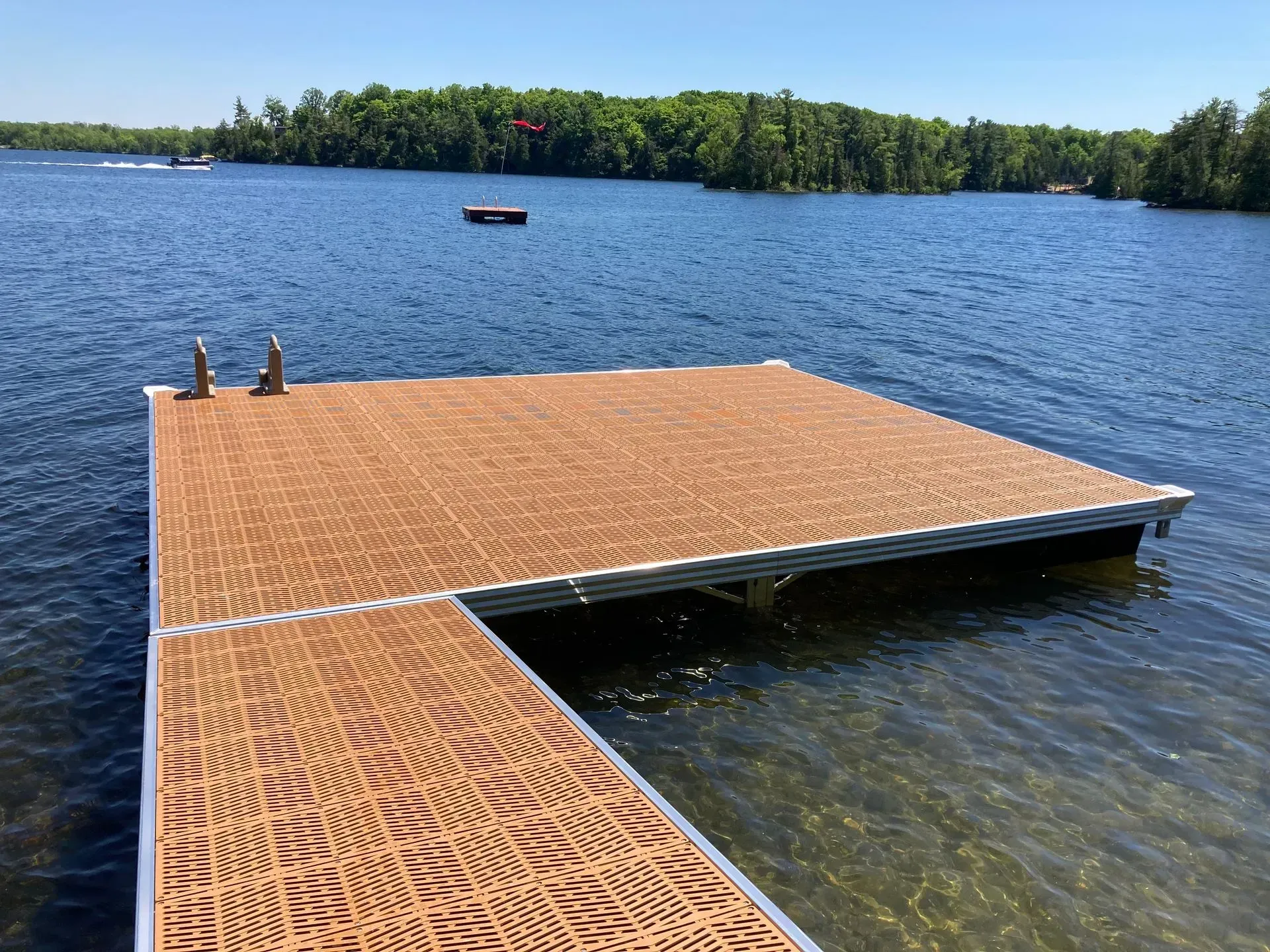
C&M Superior Systems builds docks using marine-grade aluminum frames and offers top-quality decking options like:
- Sure Step® decking
- Western Red Cedar
- Composite options for low-maintenance durability
These materials ensure long-lasting performance through Ontario winters and summers.
Need Expert Help?
No two waterfronts are the same. We’ve been designing and installing docks across Ontario — from Kingston to Rideau Lakes - for over two decades. Let us help you make the right choice.
📞 Contact us today to speak with our team or book a dock consultation.
Additional Resources: